

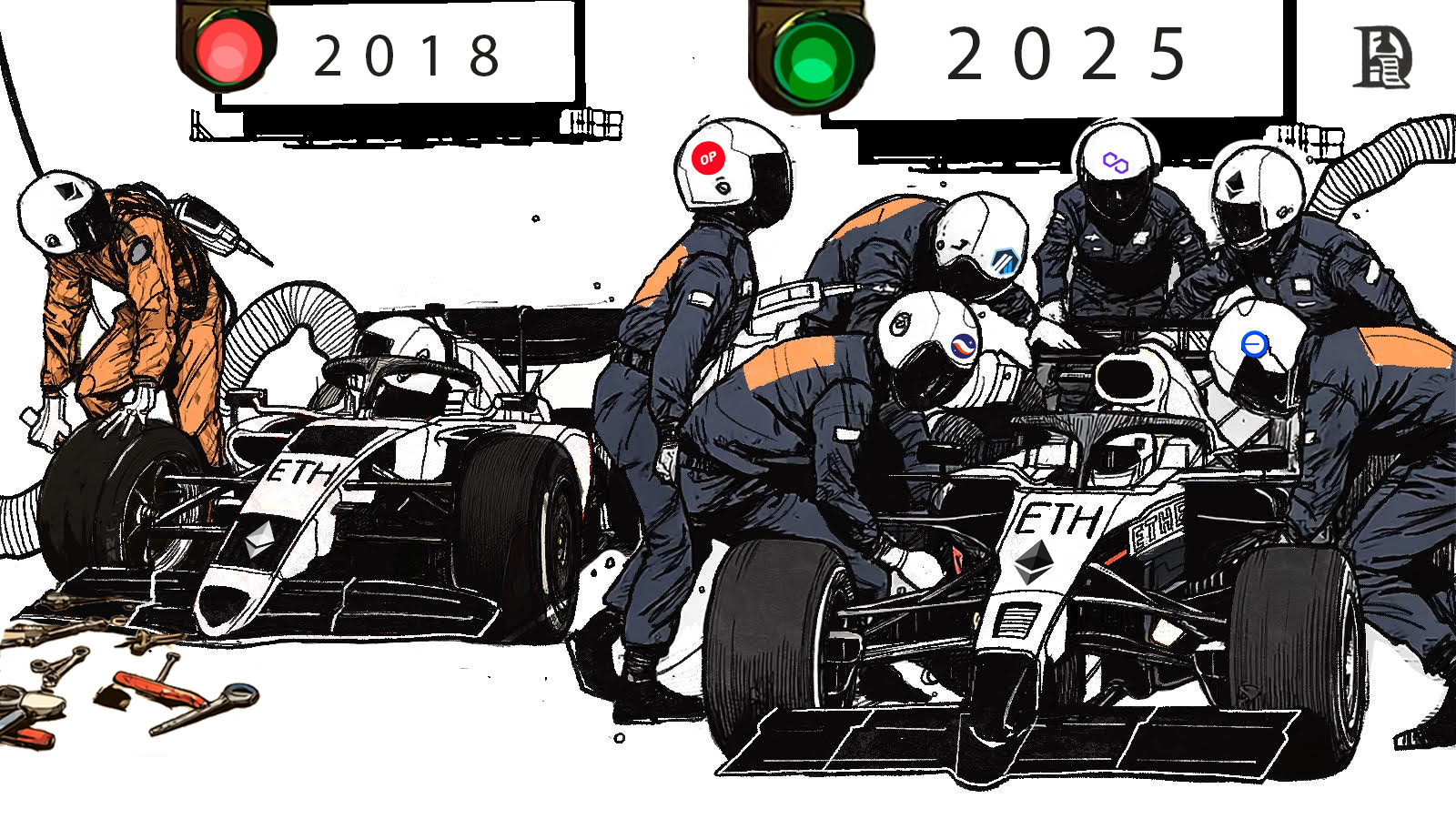
The Ronin Network’s strategic migration from a standalone sidechain to an Ethereum Layer 2 using Optimism’s OP Stack marks a pivotal moment for both blockchain developers and the broader Web3 gaming ecosystem. This transition is not just a technical upgrade - it is a fundamental shift in how Ronin will deliver scalability, security, and developer incentives, aligning closely with Ethereum’s long-term scaling vision.
Why Ronin Is Migrating: The Technical and Strategic Imperative
For developers building on Ronin, the decision to adopt the OP Stack is driven by clear market realities. As user demand for high-throughput dApps continues to surge, legacy sidechains are increasingly limited by their siloed infrastructure and security models. By integrating with the OP Stack, Ronin positions itself as a next-generation L2 that can leverage Ethereum’s security guarantees while maintaining ultra-low fees and lightning-fast transaction speeds.
The OP Stack itself is an open-source modular toolkit designed for constructing performant Layer 2s atop Ethereum. Notably used by Coinbase for its Base chain, this stack enables block times as low as 100-200 milliseconds and throughput up to 1 million transactions per second. These metrics represent a dramatic leap over traditional sidechain architectures - and are especially critical for Web3 gaming platforms where latency and cost directly impact user experience.
What Developers Need to Know About the OP Stack Upgrade
No Immediate Action Required: For teams currently operating on Ronin, there is no urgent migration or code refactor needed during the transition period. All existing products will continue functioning normally - RON remains the native gas token throughout this process and after finalization in Q1-Q2 2026. This minimizes operational risk while giving developers time to plan for enhanced capabilities post-upgrade.
Enhanced Security Model: Once live as an Ethereum L2, Ronin will inherit Ethereum’s robust consensus and settlement framework. This means that assets bridged onto Ronin benefit from mainnet-level security assurances - a point of significant interest for DeFi protocols handling large TVLs or game studios managing valuable in-game economies.
Performance Gains: The expected boost in transaction speed (up to 15x faster than before) opens new design space for complex applications that were previously infeasible on legacy infrastructure. Microtransactions, real-time multiplayer interactions, and high-frequency NFT minting all become more practical at scale.
The Incentive Layer: Grants, Discounts, and Superchain Synergy
The integration with Optimism’s Superchain ecosystem brings tangible financial benefits for builders:
- $5M-$7M in milestone-based grants, distributed in tokens like $OP, $ZKC, and $EIGEN
- Access to the 850M $OP Retro Fund, supporting innovative projects with additional capital injections
- Discounts on core infrastructure tooling, including block explorers, indexers, and oracles - further reducing go-to-market costs for new dApps
- Easier interoperability across L2s within the Superchain network, unlocking new composability opportunities between games, DeFi apps, and NFT marketplaces built on different chains but sharing common standards
This incentive structure is designed to attract not just existing Ronin projects but also new entrants seeking scalable infrastructure without sacrificing security or developer support. For more technical details about how these changes will impact your project roadmap or grant eligibility criteria, see our extended coverage at this dedicated guide.
Beyond the immediate technical and financial incentives, Ronin’s OP Stack migration is fundamentally about futureproofing its ecosystem. The ability to tap into Ethereum’s ever-expanding user base, liquidity pools, and developer tooling gives Ronin a long-term competitive edge. For Web3 gaming studios and DeFi architects, this means access to a broader audience and deeper network effects, without the fragmentation that typically plagues siloed sidechains.
Key Benefits for Developers After Ronin's OP Stack Upgrade
- Massively Enhanced Performance: Ronin L2 will achieve block times of 100–200 milliseconds and scale to up to 1 million transactions per second, enabling real-time gaming and DeFi applications at unprecedented speed.
- Inherited Ethereum-Grade Security: By operating as an Ethereum Layer 2, Ronin will benefit from Ethereum's robust security framework, significantly reducing vulnerability to exploits and attacks.
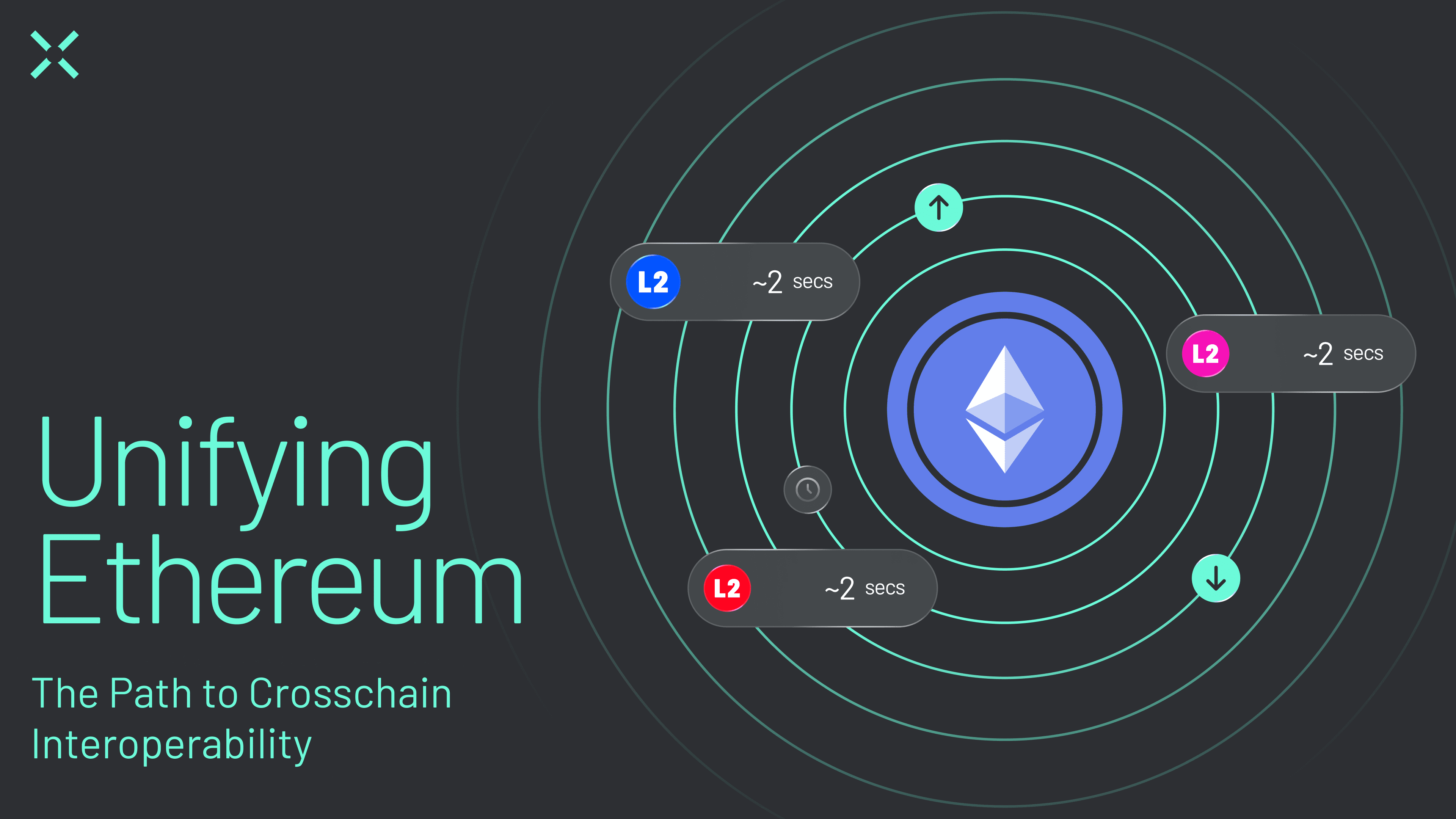
- Generous Developer Incentives: Builders can access $5M–$7M in milestone-based grants (including $OP, $ZKC, and $EIGEN tokens), allocations from the 850M $OP Retro Fund, and discounts on essential infrastructure tools like block explorers and oracles.
- Superchain Ecosystem Access: Integration with the Optimism Superchain enables seamless interoperability with other L2 networks, unlocking new collaboration opportunities and shared resources for developers.
- Simplified Migration & Ongoing Support: Existing projects require no immediate action during the transition, and RON remains the native gas token. Developers can focus on innovation while benefiting from ongoing support and future-ready infrastructure.
Interoperability is not just a buzzword in this context. By joining the Optimism Superchain, Ronin becomes part of a collaborative Layer 2 landscape where assets, data, and users can flow seamlessly between networks. This opens up composability with leading DeFi protocols, NFT marketplaces, and cross-chain games, enabling use cases like shared liquidity pools or universal player identities across multiple titles. For developers focused on user retention and network growth, these are game-changing capabilities.
Developer Experience: Migration Pathways and Tooling
For those concerned about developer experience during this transition, it is clear that the Ronin team aims to minimize friction. Existing smart contracts and dApps will continue running as-is during the phased migration. Post-upgrade, developers will gain access to OP Stack-compatible tools, ranging from advanced block explorers to robust indexers and oracle solutions, all benefiting from Superchain-level discounts.
This approach allows teams to incrementally adopt new features without risking production downtime or user disruption. The open-source nature of the OP Stack also encourages contributions from community devs who want to extend or customize core modules for their own applications.
What’s Next: Preparing for Q1-Q2 2026
With governing validators currently reviewing final upgrade proposals and a hardfork scheduled for completion by Q1-Q2 2026, now is the time for builders to start preparing strategic roadmaps. Consider how your project could leverage:
- Ultra-fast block times for real-time gameplay or high-frequency DeFi strategies
- Ethereum-grade security as a trust anchor for asset bridges or high-value digital economies
- Easier onboarding of users familiar with Ethereum wallets and standards
- Grant programs to accelerate feature development or community growth initiatives
The Ronin Network’s evolution into an Ethereum Layer 2 signals a maturation of both its technical stack and its economic vision. For those ready to build at scale, with confidence in both performance and security, the timing could not be better.
Frequently Asked Questions About Ronin’s OP Stack Upgrade
If you’re seeking more tactical guidance on optimizing your dApp for these upcoming changes, or want a deeper dive into how Superchain composability will affect Web3 gaming, explore our comprehensive analysis at this resource on gaming scalability post-OP Stack integration.


No comments yet. Be the first to share your thoughts!