
Ronin Network's recent activation of x402 pay-per-request support marks a pivotal step in enhancing ronin network scalability for Web3 games. With thirdweb enabling this feature, developers can now implement instant micropayments directly over HTTP, aligning perfectly with Ronin's ongoing transition to a full Layer 2 solution on Ethereum's OP Stack. As RON trades at $0.1506, up $0.008710 or 0.0614% in the last 24 hours, this integration signals strong potential for pay per request blockchain gaming models.
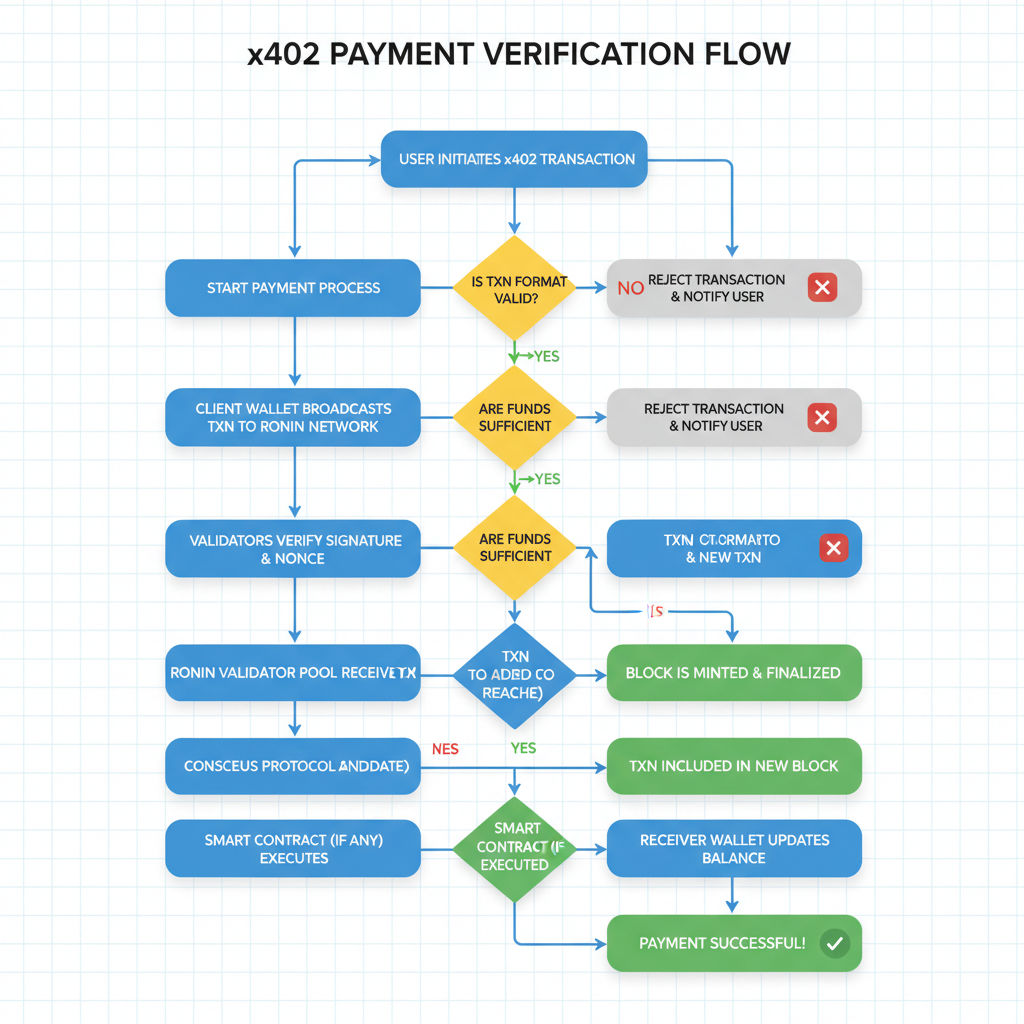
x402 revives the long-dormant HTTP 402 'Payment Required' status code, transforming it into a crypto-native protocol pioneered by Coinbase. This standard facilitates seamless, automatic stablecoin payments between clients and servers without subscriptions or cumbersome setups. In practice, it empowers machine-to-machine transactions, ideal for autonomous agents or on-demand services. For Web3 gaming, where microtransactions dominate, x402 introduces frictionless web3 gaming payments, charging per API call, data stream, or in-game action.
x402's Technical Foundations and Growing Adoption
At its core, x402 embeds payment challenges into HTTP responses, prompting clients to settle via stablecoins before accessing resources. Supported on chains like Base, Solana, Polygon, Avalanche, Sui, and Near, its expansion to Ronin via thirdweb underscores a maturing ecosystem. This protocol excels in high-frequency, low-value exchanges, sidestepping the limitations of traditional blockchains burdened by gas fees and confirmation delays.
thirdweb enabled x402 support for Ronin Network, allowing pay-per-request payments on the gaming-focused chain.
Ronin's gaming heritage, powering titles with millions of users, amplifies x402's impact. Developers can monetize leaderboards, loot boxes, or procedural content generation on a per-request basis, fostering sustainable economies without upfront costs to players.

Ronin's L2 Upgrade: Setting the Stage for x402 Synergies
Ronin is evolving from an Ethereum sidechain to a robust L2 rollup using Optimism's OP Stack, with the final hardfork targeted for mid-2026. This shift inherits Ethereum's security while slashing transaction costs and boosting throughput, critical for ronin l2 rollups. Governing validators are reviewing the upgrade, introducing Proof-of-Distribution to incentivize long-term builders.
Layered atop this, ronin x402 support addresses monetization bottlenecks. Traditional Web3 games grapple with volatile fees and slow settlements; x402's instant payments, combined with L2 efficiency, enable granular pricing. Imagine a player paying 0.001 USDC per enemy spawn or NFT mint, settled in real-time without leaving the game.
Ronin (RON) Price Prediction 2027-2032
Forecast incorporating L2 upgrade completion, x402 pay-per-request adoption, Web3 gaming growth, and market cycles (2026 baseline average: $0.40)
| Year | Minimum Price | Average Price | Maximum Price | YoY Growth % (Avg) |
|---|---|---|---|---|
| 2027 | $0.35 | $0.95 | $2.20 | +138% |
| 2028 | $0.55 | $1.60 | $3.80 | +68% |
| 2029 | $0.85 | $2.40 | $5.80 | +50% |
| 2030 | $1.25 | $3.60 | $8.80 | +50% |
| 2031 | $1.75 | $5.00 | $12.50 | +39% |
| 2032 | $2.50 | $7.20 | $18.00 | +44% |
Price Prediction Summary
Ronin (RON) is positioned for strong growth post its 2026 L2 upgrade to OP Stack and x402 integration, enabling scalable Web3 games with micropayments for AI agents and developers. Bearish mins reflect regulatory hurdles or market downturns; bullish maxes assume high gaming adoption and bull cycles. Average price projected to rise from $0.95 in 2027 to $7.20 by 2032, implying ~30x growth from current $0.15 levels.
Key Factors Affecting Ronin Price
- L2 upgrade to Ethereum OP Stack enhancing security and scalability by mid-2026
- x402 protocol enabling pay-per-request micropayments for Web3 games and AI services
- Rapid Web3 gaming adoption and developer incentives via Proof-of-Distribution
- Crypto market cycles with potential 2027-2028 bull run
- Regulatory clarity on L2s and stablecoin payments
- Competition from Solana, Polygon, and other gaming chains
- Technological synergies with Ethereum ecosystem and broader x402 network effects
Disclaimer: Cryptocurrency price predictions are speculative and based on current market analysis. Actual prices may vary significantly due to market volatility, regulatory changes, and other factors. Always do your own research before making investment decisions.
This convergence positions Ronin uniquely against competitors. While other L2s support x402, Ronin's gaming-first optimizations, like abstracted account wallets and bridge-less experiences, make it primed for explosive growth. Early adopters could see revenue streams diversify beyond token sales, stabilizing RON at its current $0.1506 amid broader market recovery.
Scalability Gains: How Pay-Per-Request Powers Web3 Games
Web3 games demand scalability; Ronin's L2 targets thousands of TPS, far exceeding its sidechain roots. x402 amplifies this by offloading payment logic to HTTP layers, reducing on-chain footprints. Each request becomes a lightweight event, batched efficiently via rollups.
Consider dynamic pricing: during peak hours, fees adjust algorithmically, optimizing network load. For multiplayer economies, guilds pay per oracle query for market data, or DAOs settle micro-bounties instantly. This model not only boosts ronin network scalability but cultivates player-owned revenue shares, a step toward true digital ownership.
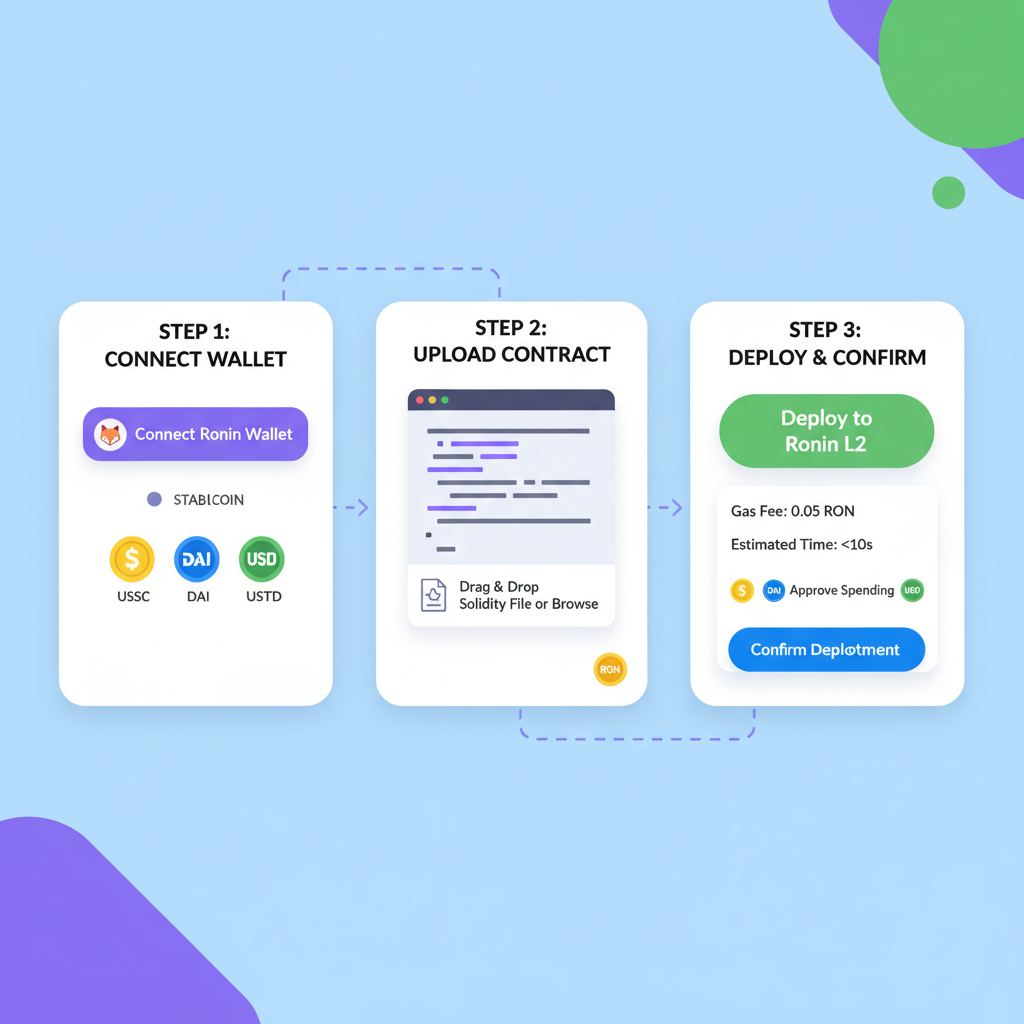
Developers stand to gain the most from this synergy. Integrating x402 into Ronin-based games requires minimal overhead, leveraging thirdweb's SDKs for seamless deployment. A simple HTTP endpoint can enforce payments before serving high-value assets like rare skins or real-time analytics.
Master x402 Pay-Per-Request on Ronin L2: Scalable Web3 Game Monetization
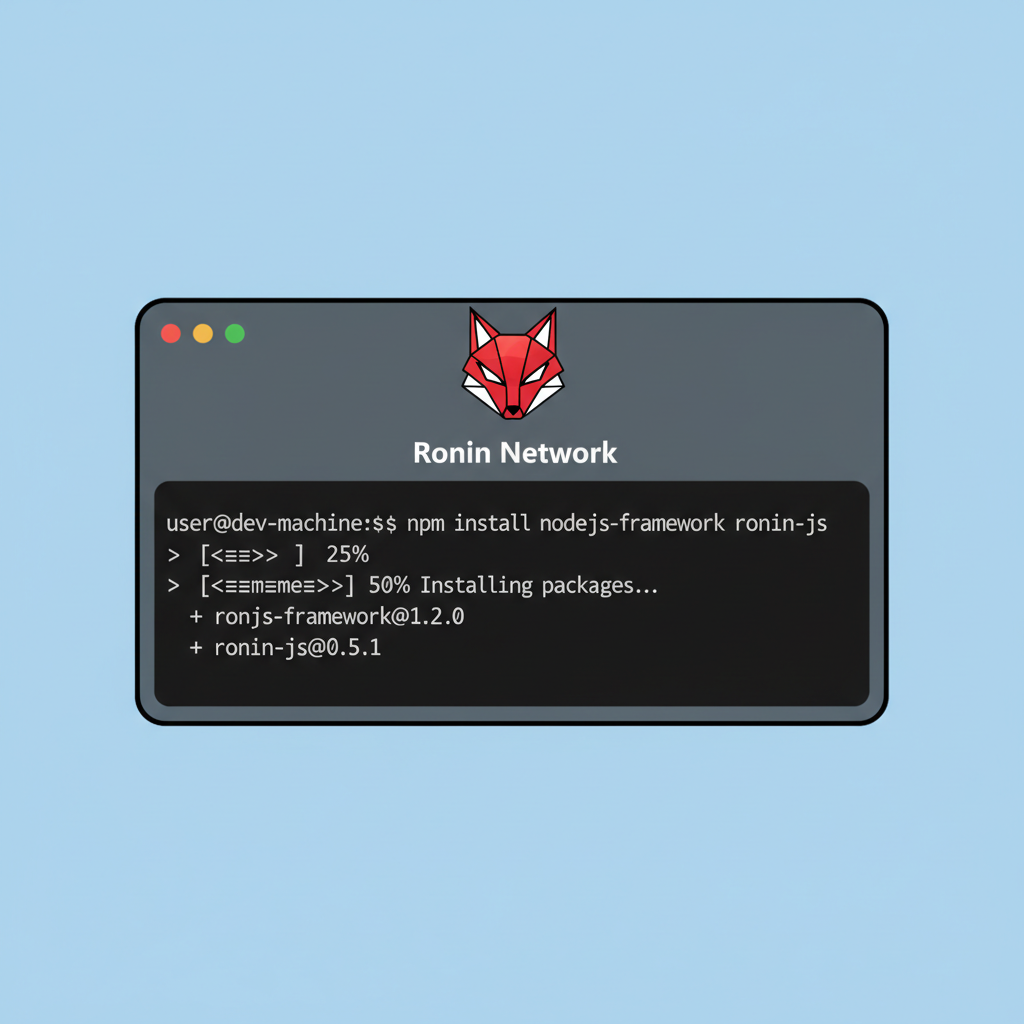
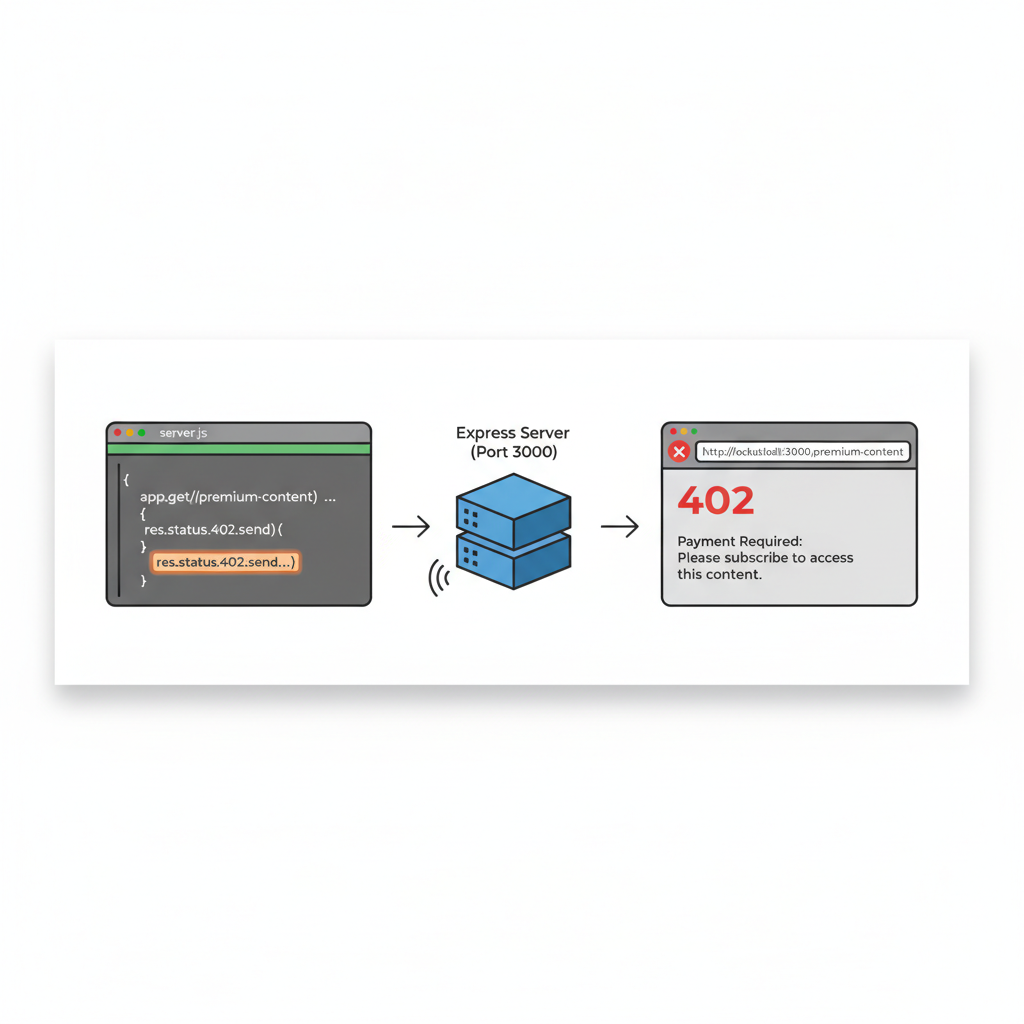
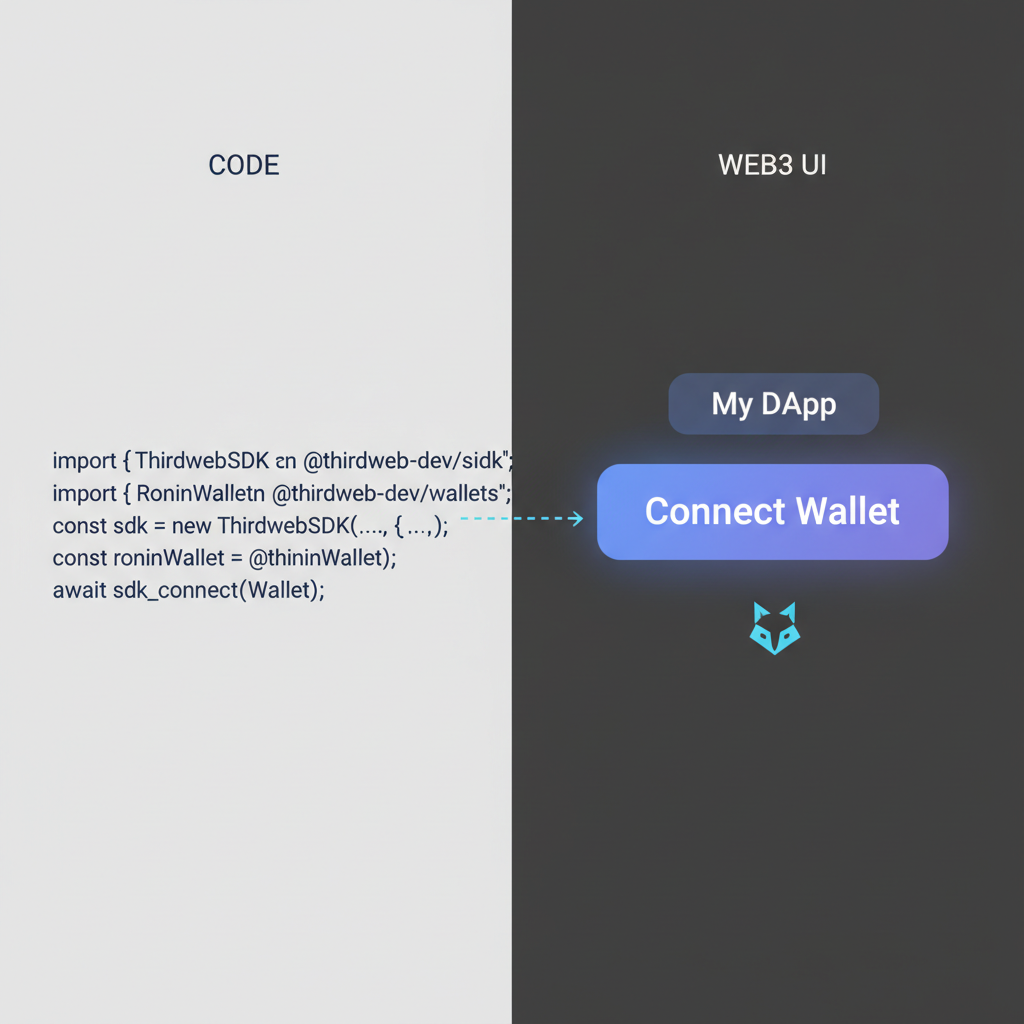
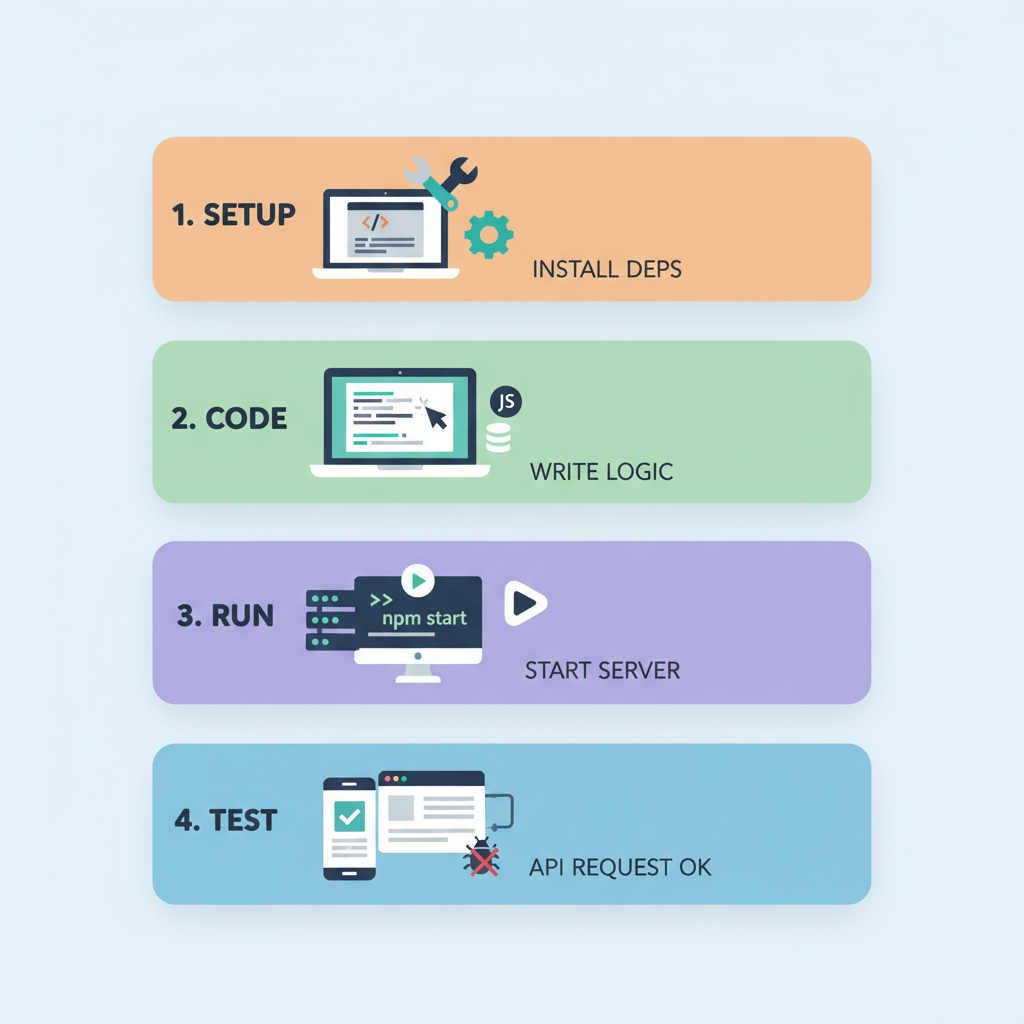
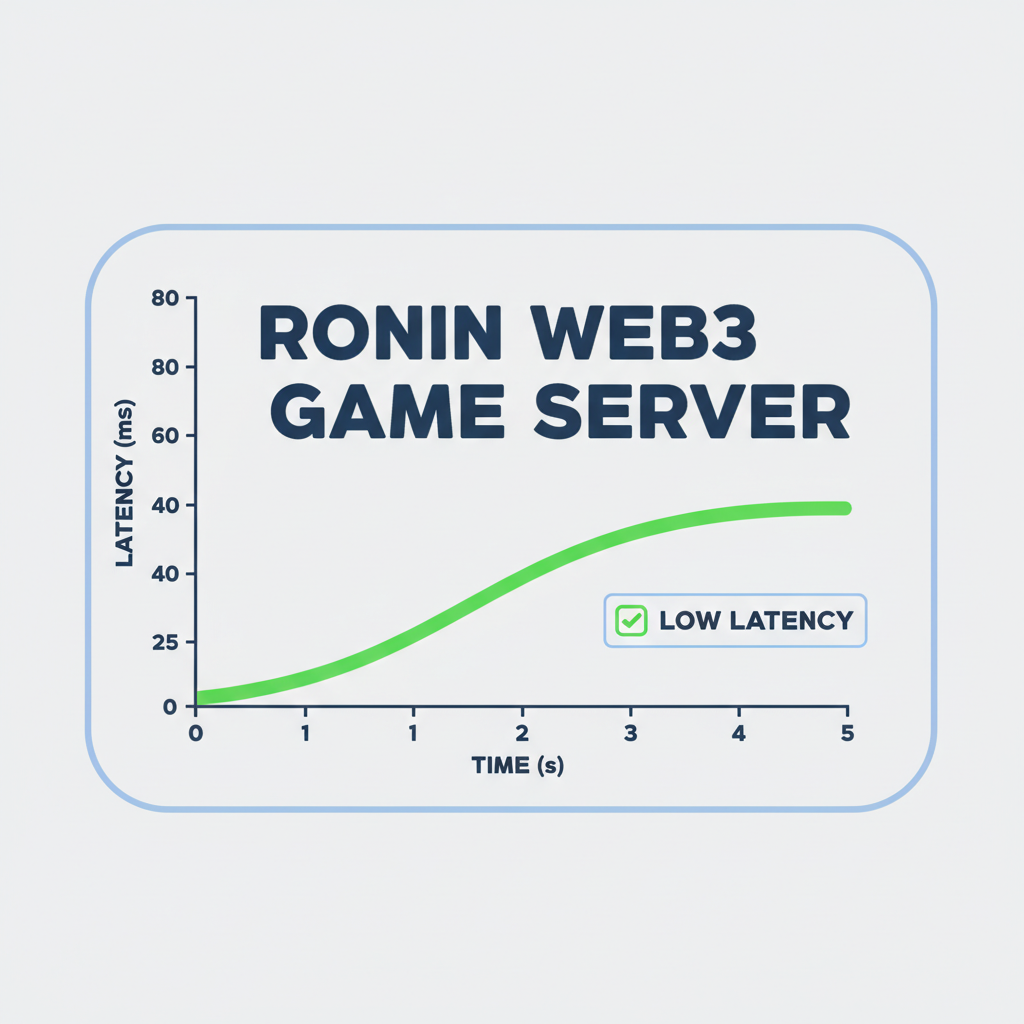
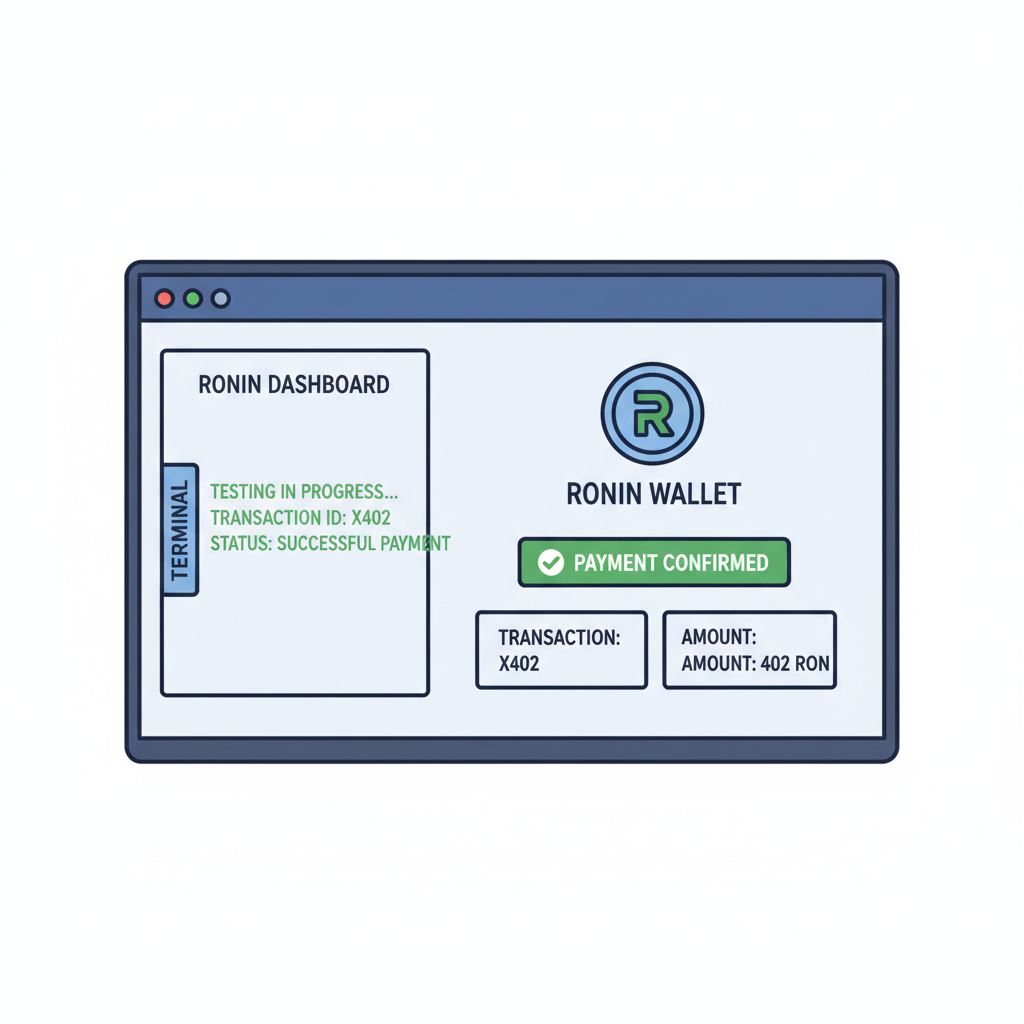
Once implemented, track metrics like request volume and settlement success to refine pricing models. Ronin's low fees, post-L2 upgrade, ensure profitability even at sub-cent levels, democratizing access for indie studios.
Real-world applications extend beyond games. Imagine AI-driven NPCs charging for strategic advice or procedural worlds billing per generated biome. This granular monetization fosters vibrant, self-sustaining ecosystems, where players invest directly in content creation.
Challenges and Roadmaps: Navigating x402 on Ronin L2
No innovation lacks hurdles. Wallet interoperability remains key; while Ronin wallets excel in UX, ensuring broad x402 compatibility across chains demands ongoing standards work. Volatility in stablecoin pegs could introduce friction, though Ronin's gaming focus prioritizes USDC-like assets.
Ronin's L2 timeline adds urgency. By mid-2026, with ronin l2 rollups live, expect throughput surges to 10,000 TPS, amplifying x402's potential. Proof-of-Distribution rewards will likely prioritize x402-integrated dApps, accelerating adoption.
From a market lens, RON's steady hold at $0.1506 reflects investor confidence amid the 24-hour gain of $0.008710. As x402 use cases proliferate, expect upward pressure, especially if gaming TVL rebounds. This isn't hype; it's engineered growth, blending proven L2 tech with forward-thinking payments.
Ronin's pivot equips Web3 games for an agentic future, where payments flow as naturally as data. Developers embracing ronin network scalability and x402 today position themselves at the vanguard, ready to capture value in a trillion-dollar industry. The network's evolution promises not just faster blocks, but richer, more equitable digital economies.



No comments yet. Be the first to share your thoughts!