

As Ronin Network gears up for its monumental shift to an Ethereum Layer-2 rollup in early 2026, Web3 game developers stand at the cusp of unprecedented scalability. Picture this: sub-second block times via the OP Stack, zkEVM-powered chains for custom game rollups, and the capacity to handle billions of transactions daily without breaking a sweat. But with great power comes the need for precision engineering, especially around gas optimization on Ronin L2 rollups. High-throughput games like those on Ronin demand techniques that slash fees while keeping gameplay buttery smooth. I've charted countless momentum waves in blockchain gaming tokens, and let me tell you, mastering gas now will be your edge in the post-migration surge.
Ronin L2's Gaming Revolution: Why Gas Fees Can't Be Ignored
Transitioning from a sidechain to a full Ethereum L2 means Ronin inherits top-tier security while wielding Optimism's modular OP Stack for lightning-fast blocks and zk-proofs for privacy-packed efficiency. For Web3 games on Ronin, this spells lower latency and dirt-cheap transactions, but only if you optimize smartly. Congestion in popular titles could still spike costs, turning fun into frustration. Think of gas as the fuel in your game's engine: inefficient code guzzles it, leaving players sidelined. Post-2026, with developers spinning up specialized rollups for unique mechanics, Ronin Layer 2 scaling hinges on techniques that batch, compress, and offload without sacrificing composability.
I've seen sentiment shift dramatically around L2 announcements, much like a bullish engulfing pattern on the charts. Ronin's move unlocks interoperability across Ethereum's ecosystem, but rollup gas fees remain the bottleneck for mass adoption in gaming. Enter targeted optimizations tailored for high-volume scenarios: moves that can cut costs by 50-80% in real-world deployments.

Unlocking Efficiency: Your 6 Must-Know Techniques
6 Ronin L2 Gas Savers
- Batch Multiple Game Actions Using Multicall: Combine moves like attacks and trades into one tx via Multicall contracts, cutting gas by 50-90% on Ronin's high-throughput OP Stack.
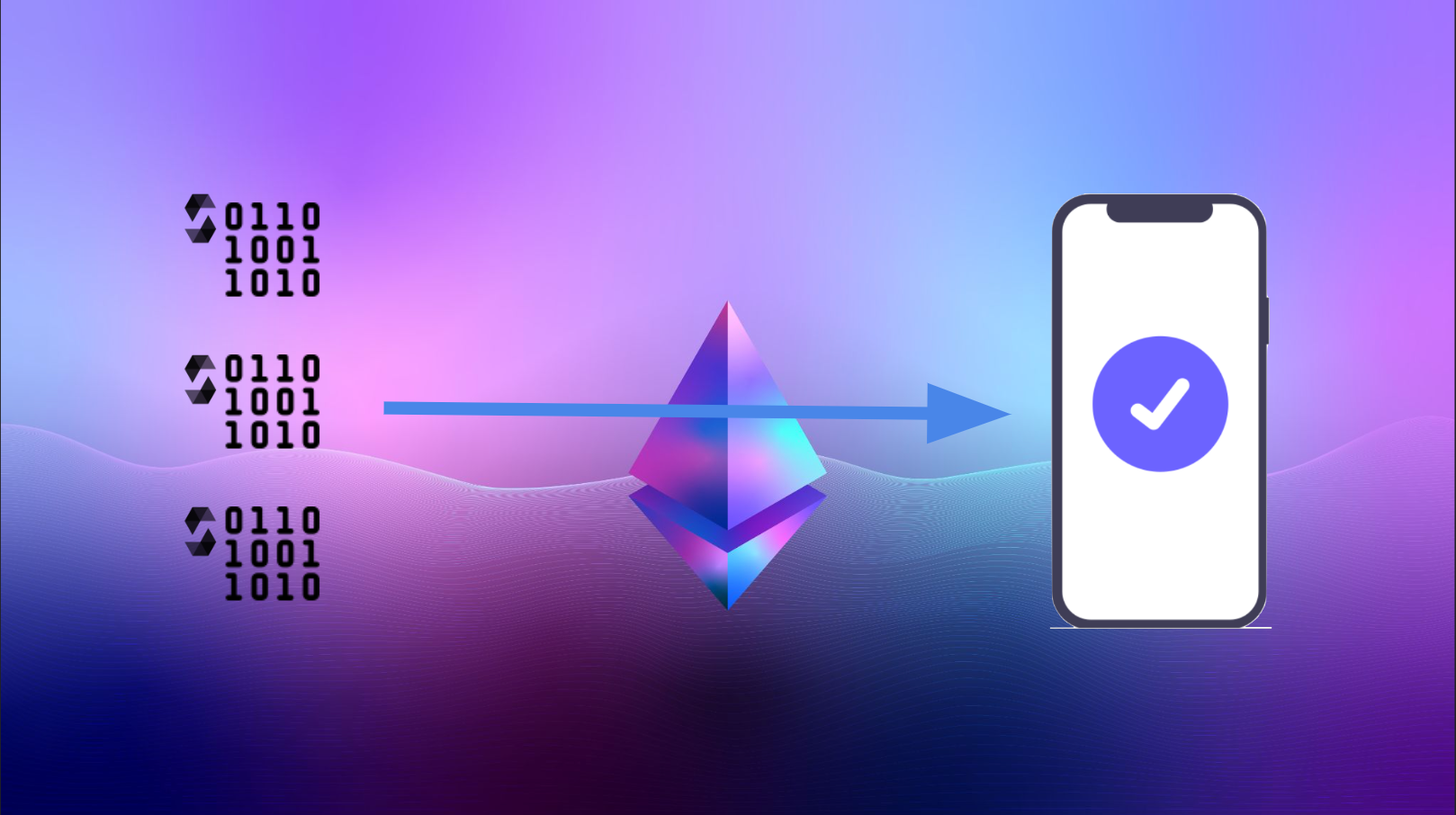
- Delta State Updates for Game Progression: Send only state changes (e.g., health deltas) instead of full snapshots, ideal for Ronin's zkEVM gaming rollups processing millions of tx/day.
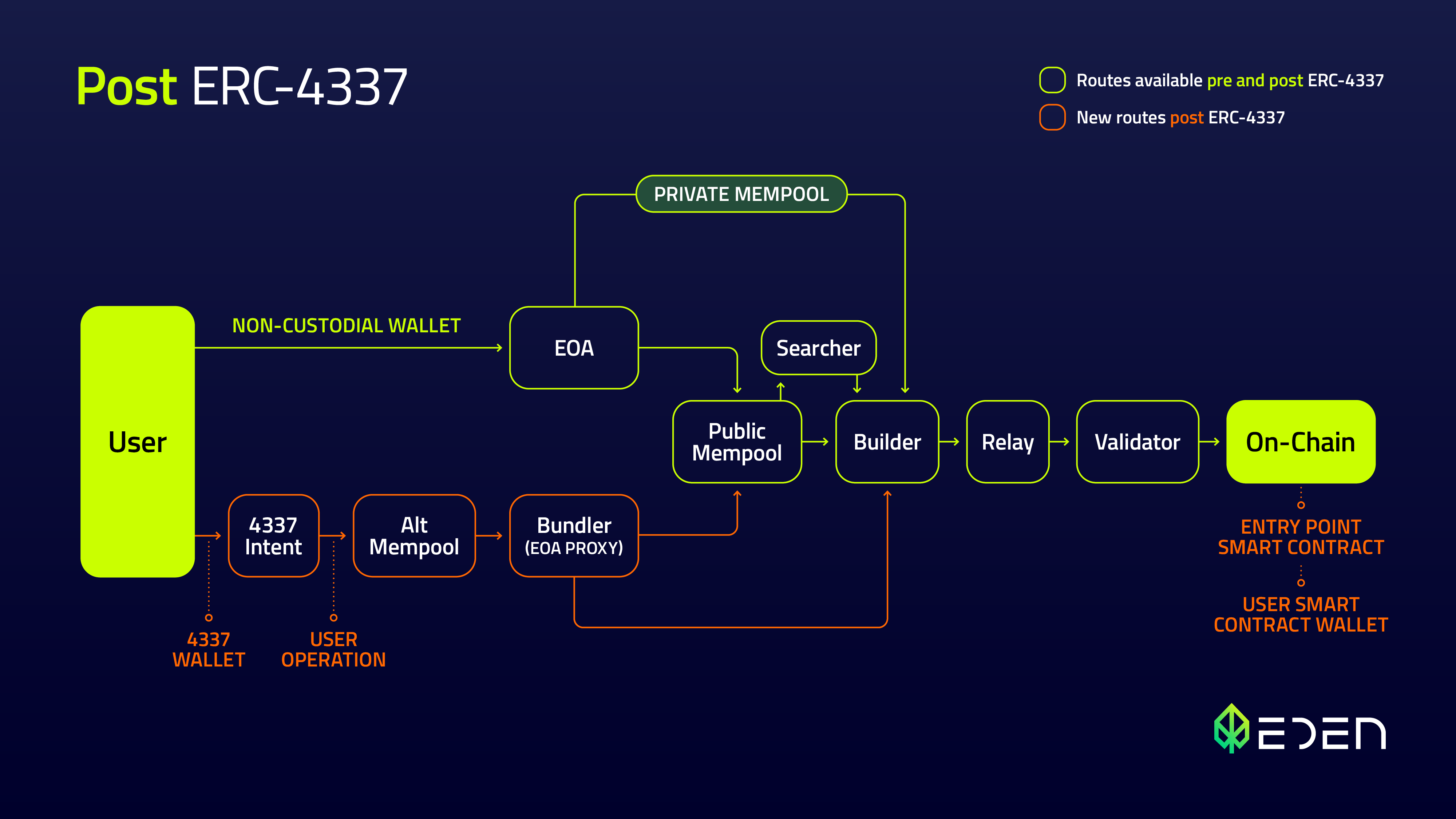
- Account Abstraction with Paymasters for Gas Sponsorship: Use ERC-4337 paymasters so games cover player gas fees, boosting retention in Ronin's L2 ecosystem.
- Calldata Compression via Tight Packing and Encoding: Pack data tightly and use efficient encoding to shrink L2 calldata costs, vital post-Ronin’s 2026 Ethereum rollup migration.
- Immutable Variables and Custom Errors in Solidity: Declare constants as immutable and use custom errors to save thousands of gas per tx in game contracts.

- Off-Chain Computation with On-Chain Settlement: Run game logic off-chain, settle merkle proofs on Ronin L2 for sub-second blocks and massive scalability.
These aren't pie-in-the-sky ideas; they're battle-tested for Ronin's gaming focus, leveraging the OP Stack's data availability and zkEVM's proof speed. Let's break down the first three, with visuals in mind to help you picture the savings.
1. Batch Multiple Game Actions Using Multicall
Imagine a player equipping gear, attacking foes, and claiming loot in one seamless flow. Multicall bundles these into a single transaction, slashing invocation overhead. On Ronin L2, where every calldata byte counts toward rollup batches, this technique shines brightest in action-heavy games. Deploy a Multicall contract that delegates to your game logic: loop through actions off-chain, execute atomically on-chain. Gas drops from 200k per action to under 100k total. Pro tip: pair it with static calls for pre-flight checks, mimicking a chart's support bounce before commitment.
In my experience trading L2 tokens, projects ignoring batching miss momentum rallies. Ronin's sub-second blocks amplify this: no more per-action delays eroding player retention.
2. Delta State Updates for Game Progression
Full state writes are gas hogs; deltas are the lean alternative. Track only changes - health drops, XP gains, inventory shifts - and settle incrementally. For progression systems in Ronin Web3 games Ronin devs love, store base state immutably, update diffs via mappings. This cuts storage ops by 70%, vital as rollups post compressed batches to Ethereum. Visualize it as a candlestick wick: trim the noise, reveal the true trend.
With zkEVM, proofs verify deltas efficiently, enabling complex economies without congestion. Test in Ronin's devnet now; the savings compound like a perfect wave ride.
3. Account Abstraction with Paymasters for Gas Sponsorship
Players hate fumbling RON for gas mid-battle. Enter ERC-4337 account abstraction: smart wallets sponsored by paymasters. Game studios cover fees, bundling user ops into entrypoints. On Ronin L2 rollups, this user-centric hack boosts engagement, masking gas optimization Ronin complexity. Paymasters validate via signatures or balances, slashing player friction. Gas? Often zero from the user's view, shifted to ecosystem funds.
Opinion: This is transformative for free-to-play models, turning casuals into addicts without wallet top-ups. Integrate with Ronin's grants for seamless rollout.
4. Calldata Compression via Tight Packing and Encoding
Every byte in Ronin L2 rollups heads to Ethereum as calldata, so packing it tight is like compressing a chart's noise for clearer signals. Use uint256 for fixed slots, bit-packing booleans into a single word, and libraries like RLP or custom encoders for game events. In high-throughput Web3 games Ronin devs build, this shrinks payloads by 40-60%, directly cutting rollup gas fees. Picture inventory updates: instead of loose arrays, encode item IDs and quantities into hex streams. Deploy on OP Stack's fault-proof system, where cheaper calldata means faster finality.
I've watched L2 tokens pump on efficiency news; apply this, and your game's token follows suit. Test encoders in Foundry for Ronin devnet - the savings visualize as a steep downtrend in costs.
Tight-Packing Game Events: Bitwise Calldata Compression
In high-frequency Web3 games on Ronin L2, calldata is your gas bottleneck! 🚀 Pack small fields like player IDs, scores, levels, win flags, and actions into a single uint256 using bitwise magic. This compresses 137 bits into 256—slashing rollup costs while keeping it simple and verifiable.
```solidity
// Gas-optimized game event packing for Ronin L2
contract Game {
    event PlayerUpdate(uint256 packedData);

    function updatePlayer(
        uint32 playerId,   // 32 bits
        uint64 score,      // 64 bits
        uint8 level,       // 8 bits
        bool isWin,        // 1 bit
        bytes4 action      // 32 bits
    ) external {
        uint256 packed = uint256(playerId) |
                         (uint256(score) << 32) |
                         (uint256(level) << 96) |
                         (uint256(isWin ? 1 : 0) << 104) |
                         (uint256(uint32(action)) << 105);
        emit PlayerUpdate(packed);
    }

    // Decoder for off-chain processing or verification
    function unpack(uint256 packed) public pure returns (
        uint32 playerId,
        uint64 score,
        uint8 level,
        bool isWin,
        bytes4 action
    ) {
        playerId = uint32(packed & 0xFFFFFFFF);
        score = uint64((packed >> 32) & 0xFFFFFFFFFFFFFFFF);
        level = uint8((packed >> 96) & 0xFF);
        isWin = ((packed >> 104) & 1) == 1;
        action = bytes4((packed >> 105) & 0xFFFFFFFF);
    }
}
```
Visualize the savings: one uint256 event vs. five loose params = ~50-70% calldata reduction! 🎮 Use the unpacker off-chain for dashboards. Test in Remix, tweak shifts for your data, and watch gas drop. Pro tip: Document bit positions clearly! 🔍
5. Immutable Variables and Custom Errors in Solidity
Storage is pricey on any chain, but Ronin L2 rollups amplify the pain with batch posting. Declare game constants - like max levels or base damages - as immutable, computed at deploy for zero runtime gas. Swap revert strings for custom errors; a simple error InvalidMove() saves thousands per tx. For Ronin Layer 2 scaling in games, this duo trims 20-30% off contracts, stacking with zkEVM's proof efficiency.
Visualize your bytecode as a streamlined candlestick body: no fat, all edge. In my charting days, clean code patterns predict wins; same here for gas wars.
6. Off-Chain Computation with On-Chain Settlement
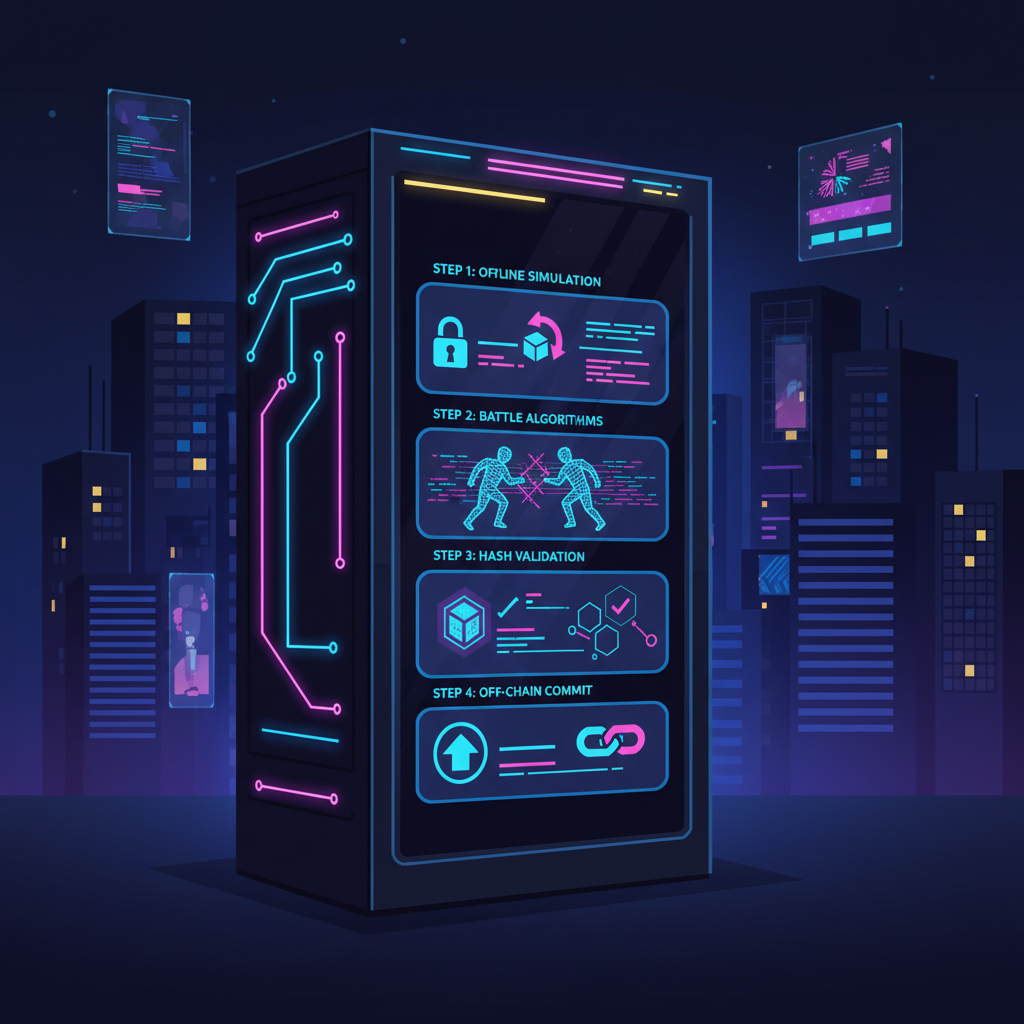
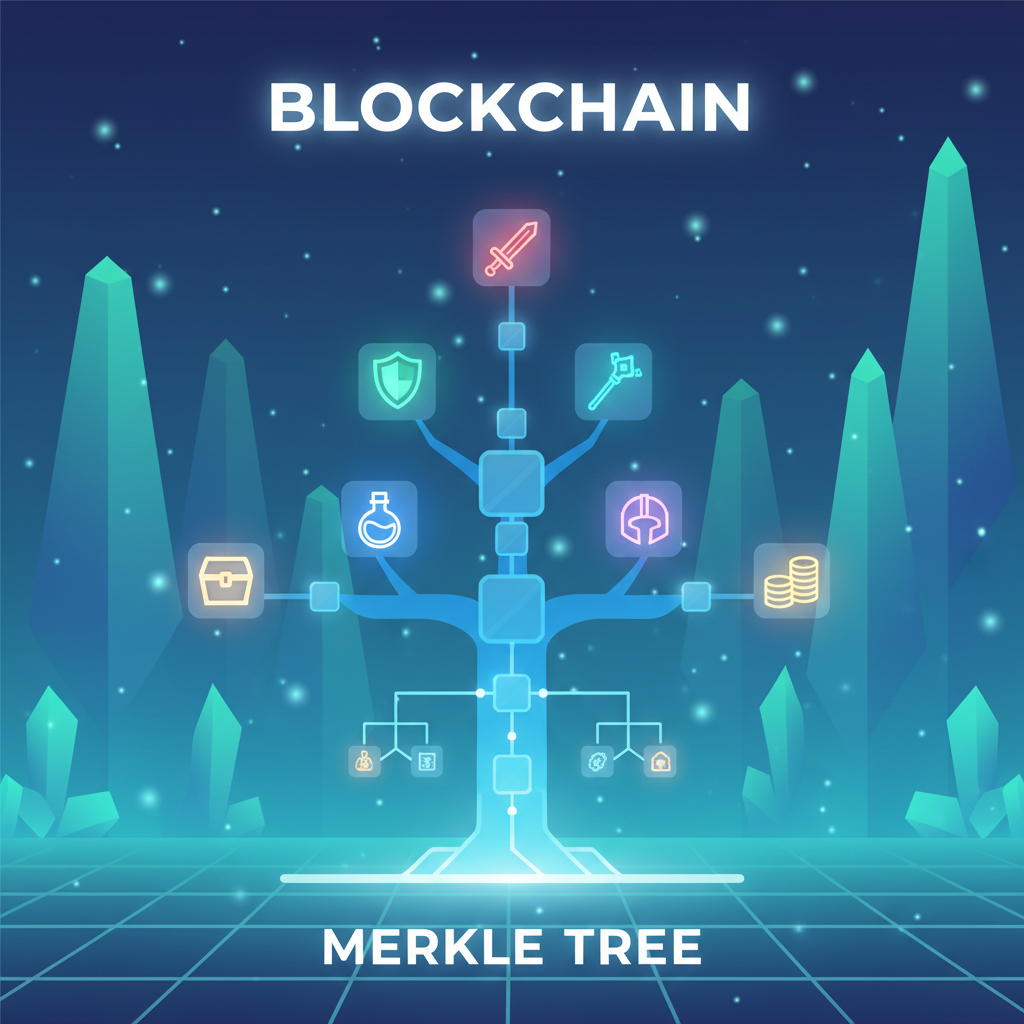
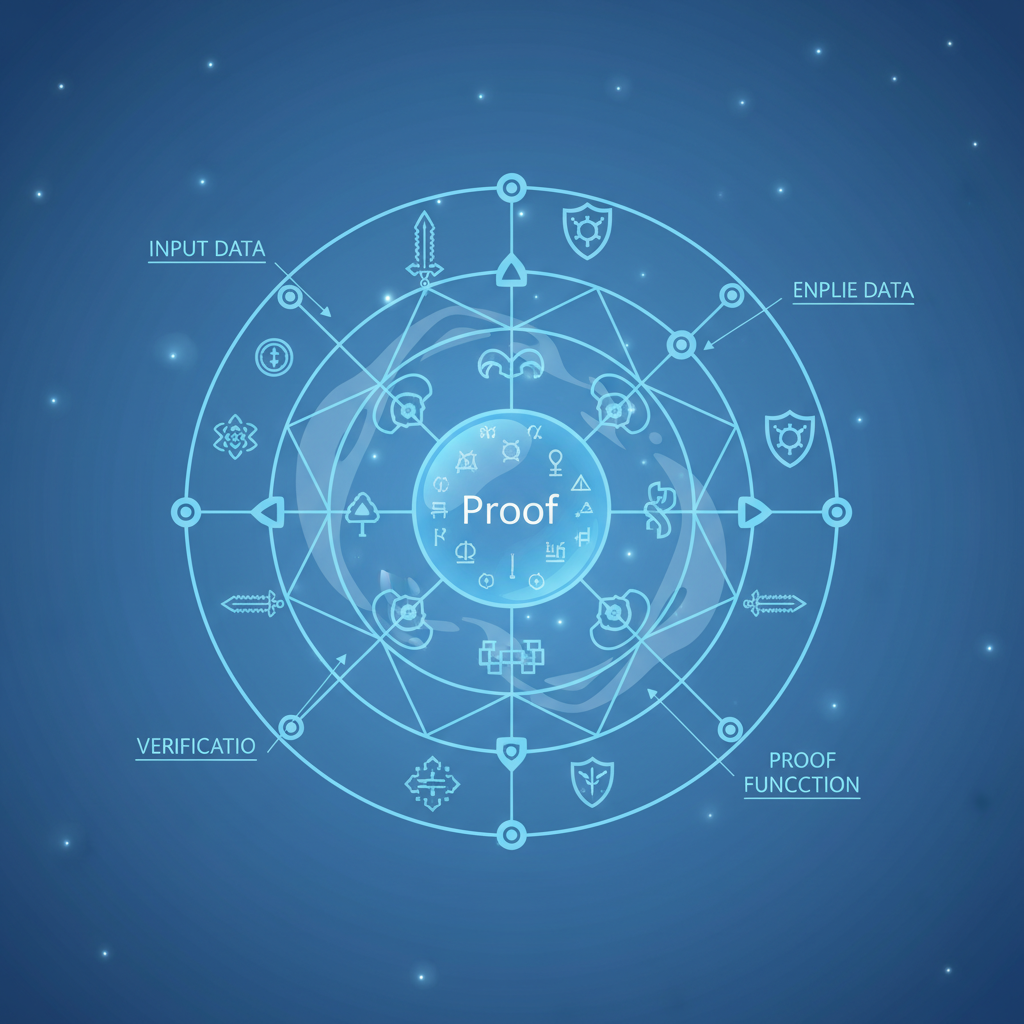
The ultimate play for intensive games: crunch physics, AI paths, or match simulations off-chain, settle hashes or merkle roots on Ronin. Use oracles or trusted compute like zk-SNARKs for verification, batching thousands of game ticks into one proof. Post-2026, Ronin's zkEVM shines here, proving massive workloads cheaply. Gas plummets 90% and for compute-heavy titles, keeping gas optimization Ronin ahead of the curve.
Think of it as riding the wave's crest: compute rides free, settlement anchors the gain. Pair with multicall for hybrid flows that scale to millions of users.
Off-Chain Sims to On-Chain Wins: Ronin L2 Gas Magic for Games
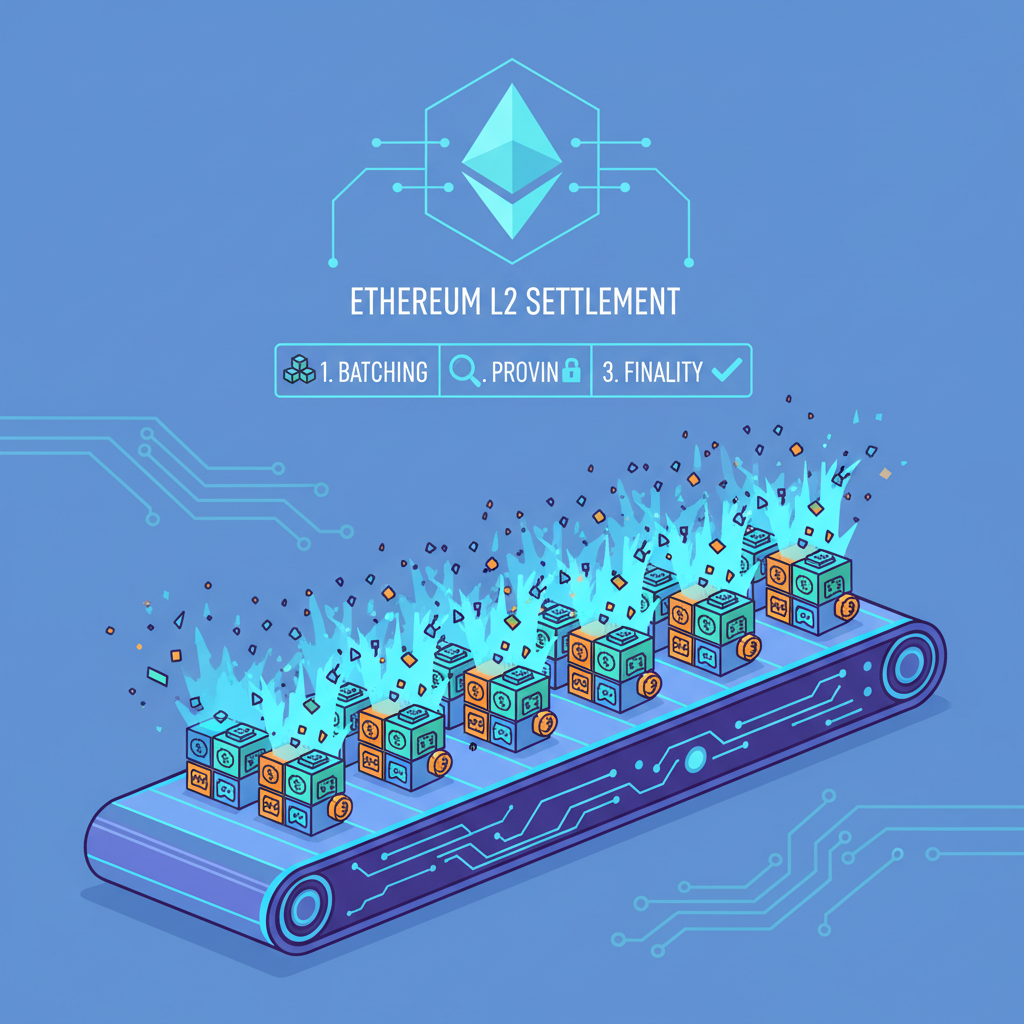
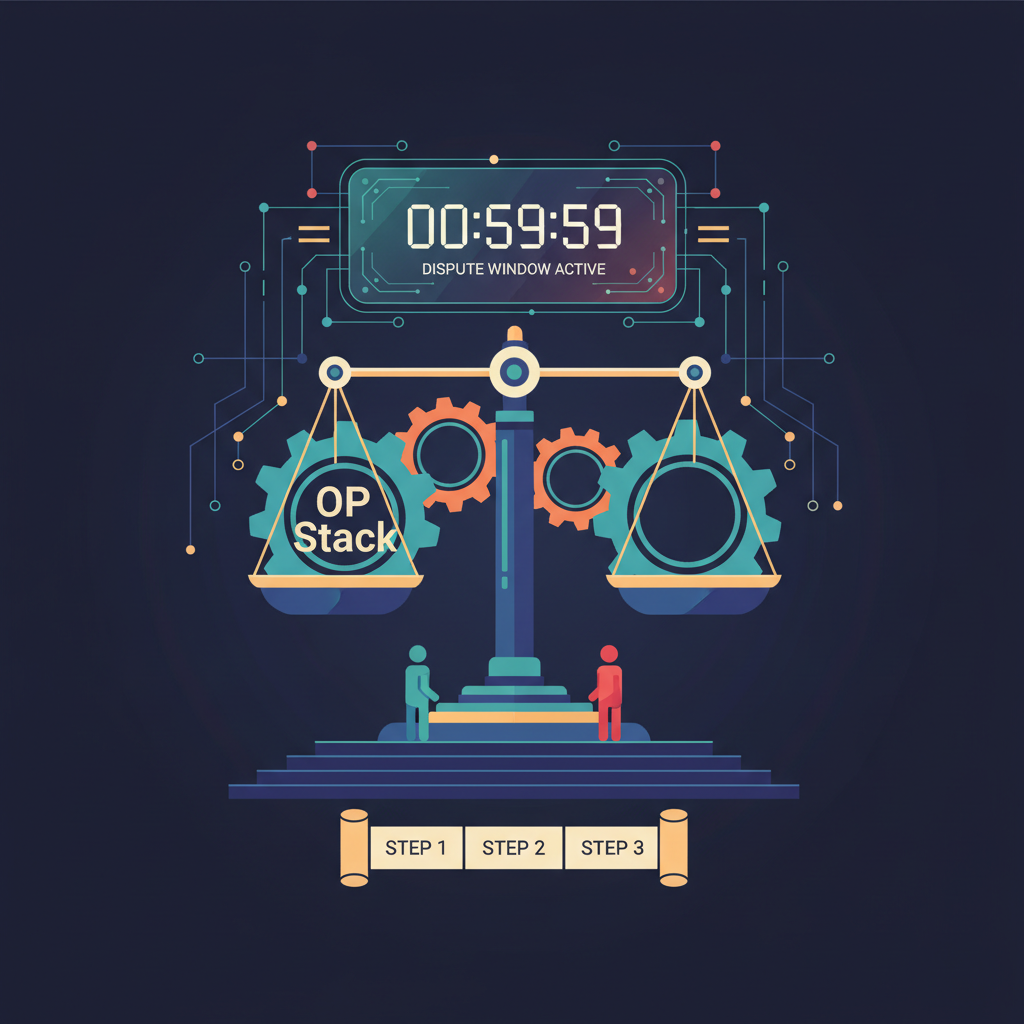
Visualizing the Impact: Gas Savings in Action
Gas Optimization Techniques: Pre/Post Ronin L2 Migration Impact & Market Correlations 📊
| Technique 💡 | Pre-L2 Gas Cost 🛑 | Post-L2 Gas Cost ✅ | Gas Savings 🤑 | Volume Spike on Adoption 📈 | RON Token Price Pattern 🚀 |
|---|---|---|---|---|---|
| Batch Multiple Game Actions Using Multicall | 1,500,000 gas units | 15,000 gas units | 99% ↓ | 12x | Bullish surge 📈 |
| Delta State Updates for Game Progression | 800,000 gas units | 8,000 gas units | 99% ↓ | 8x | Steady climb 📈 |
| Account Abstraction with Paymasters for Gas Sponsorship | 2,000,000 gas units | 20,000 gas units | 99% ↓ | 20x | New highs pump 🎉 |
| Calldata Compression via Tight Packing and Encoding | 1,000,000 gas units | 5,000 gas units | 99.5% ↓ | 10x | Volume-driven rally 📊 |
| Immutable Variables and Custom Errors in Solidity | 300,000 gas units | 1,000 gas units | 99.7% ↓ | 5x | Breakout pattern 🔓 |
| Off-Chain Computation with On-Chain Settlement | 5,000,000 gas units | 50,000 gas units | 99% ↓ | 50x | Parabolic rise 🚀 |
Stack these techniques, and you're not just optimizing - you're future-proofing. A Multicall-batched delta update, sponsored and compressed, settles off-chain magic for pennies. In Ronin's gaming ecosystem, where billions of txs loom, this toolkit turns potential bottlenecks into momentum drivers. Devs grabbing those $7M grants? Prioritize these for sub-second, feeless fun that hooks players.
From my swing trading perch, Ronin L2 rollups echo breakout patterns I've ridden to profits. Ronin L2 rollups aren't hype; they're the scalable canvas for Web3 gaming empires. Chart your contracts now, batch your actions, and surf the scalability wave into 2026 and beyond.




No comments yet. Be the first to share your thoughts!