
Web3 gaming stands at a crossroads where explosive user growth collides with blockchain’s inherent limitations. Titles like Axie Infinity have proven the demand, but sustaining millions of concurrent players requires more than hype; it demands architectural innovation. Enter Ronin L2 rollups paired with x402 pay-per-request protocol, a duo poised to redefine web3 gaming scalability. Ronin’s shift to Ethereum Layer 2 via Optimism’s OP Stack bundles transactions efficiently, slashing costs, while x402 injects granular, HTTP-native payments directly into game interactions.
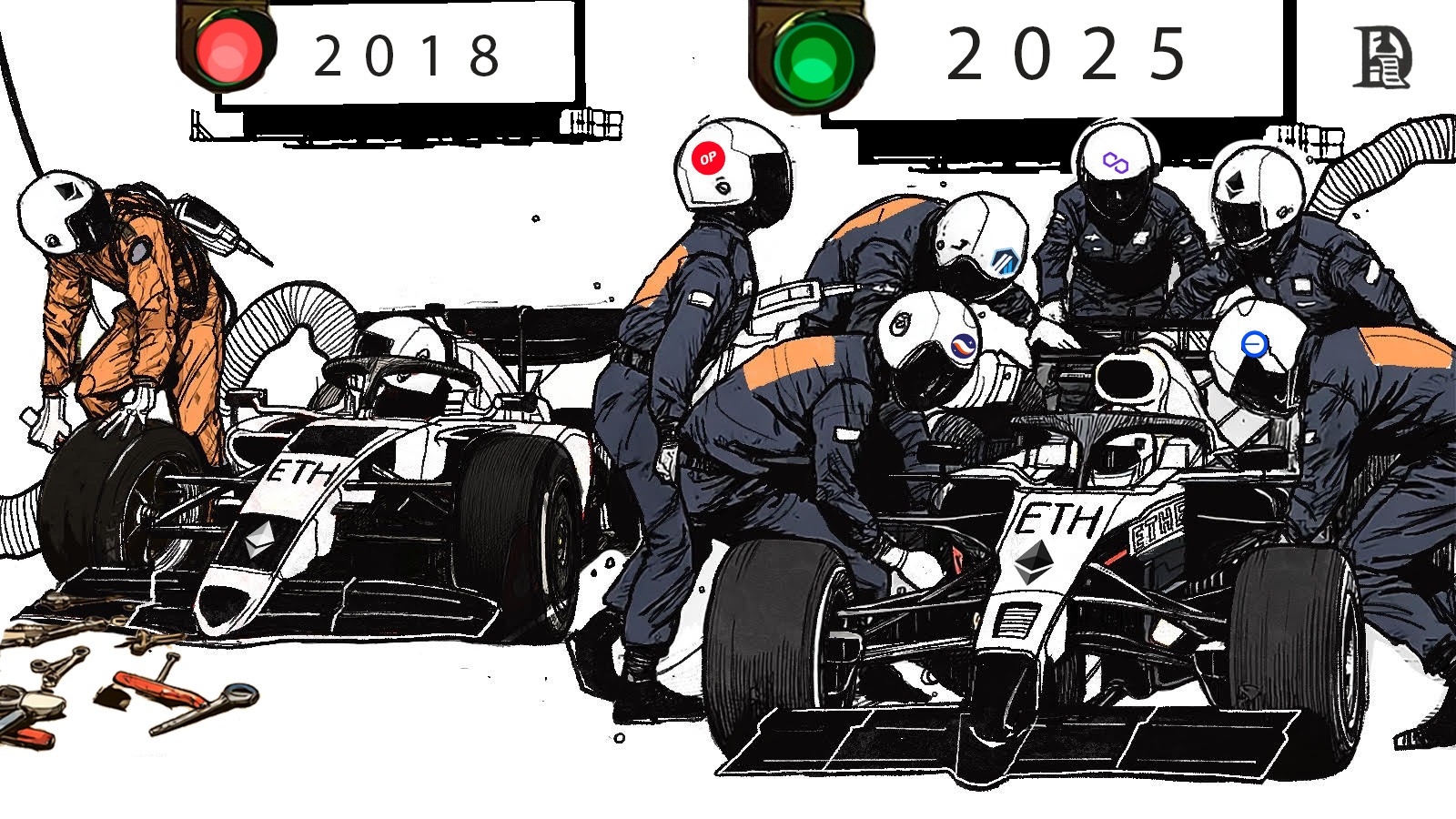
This convergence isn’t mere speculation. Ronin, forged by Sky Mavis for gaming dominance, is executing a calculated homecoming to Ethereum. By adopting the OP Stack after a rigorous bidding war with Arbitrum, Polygon, and zkSync, Ronin gains Superchain perks: enhanced security, developer tools, and up to $7 million in grants. Optimistic rollups post transactions off-chain, settling batches on Ethereum with fraud proofs, achieving throughput that sidechains alone couldn’t match.
Ronin’s Strategic Pivot to OP Stack Rollups
Ronin L2 rollups represent a modular evolution. Unlike monolithic chains juggling execution, settlement, and data availability, Ronin’s approach leverages Ethereum for finality while optimizing for games. Off-chain bundling reduces on-chain footprints dramatically; a single commitment can encapsulate thousands of player moves, loot drops, or trades. This ronin scaling solutions blueprint addresses the congestion plaguing high-volume gaming DApps.
Consider the mechanics: optimistic rollups assume validity until challenged, a lightweight alternative to zk-proofs for now. Ronin’s enshrined zkEVM ambitions loom on the horizon, but OP Stack delivers immediate wins. Transition completes by Q1-Q2 2026, unlocking gamified DeFi, SocialFi, and AI-driven consumer apps. No user disruptions; stakers and players carry on seamlessly.
My analysis of similar L2 migrations shows 10x-100x cost reductions in practice. For Ronin, this means sub-cent fees for actions that once drained wallets, critical for retaining casual gamers.
x402: The Pay-Per-Request Revolution for Agentic Gaming
x402 resurrects HTTP’s forgotten 402 ‘Payment Required’ status, transforming it into a crypto-native protocol for pay per request blockchain gaming. Imagine every API call, NPC interaction, or loot unbox triggering atomic micropayments – no subscriptions, no keys, just seamless flows. Servers respond with 402 headers embedding payment challenges; agents or wallets settle via L2s like Ronin.
Supported on Base, Solana, Polygon, and now aligning with Ronin’s Ethereum L2 ecosystem, x402 enables agent-to-agent commerce. AI-driven game bots trade data, compute, or services per invocation. Near-zero costs make it viable; think charging per second of compute for procedural worlds or per query for dynamic leaderboards.
This protocol’s elegance lies in its web fidelity. Browsers and agents handle payments autonomously, blurring Web2-Web3 lines. For developers, integration is straightforward: extend endpoints to issue 402s, settle on Ronin rollups. No more clunky bridges or gas wars.
Unlocking Millions: Ronin L2 Rollups and x402 Synergies
Pairing ronin l2 rollups with x402 crafts a powerhouse for mass-scale gaming. Rollups handle volume; x402 monetizes granularity. A battle royale with 100,000 players? Each shot, heal, or revive becomes a pay-per-request event, batched off-chain for pennies total. Developers earn directly from engagement, fostering sustainable models beyond play-to-earn pitfalls.
x402 ronin network potential shines in modular stacks. Ronin’s gaming focus – tokenized collectibles, risk-based SocialFi – amplifies x402’s agentic commerce. Picture guilds paying per raid slot, or AI NPCs subscribing to oracle feeds per decision. Scalability surges: Ethereum’s security, Ronin’s speed, x402’s precision.
Real-world deployment could see guilds automating payments for raid coordination, where each member’s contribution triggers micro-fees settled in Ronin rollups. This shifts economics from inflationary tokenomics to usage-based revenue, aligning incentives for long-term ecosystem health.
Developer Tools and Integration Simplicity
Building on Ronin L2 rollups demands minimal friction, and x402 fits like a glove. Developers leverage OP Stack’s battle-tested libraries to deploy rollups, then layer x402 for payments. A simple HTTP endpoint extension handles the rest: respond with a 402 header containing payment details, and let wallets or agents resolve it on-chain via Ronin’s sequencer.
This snippet illustrates the brevity – just a few lines to embed payments in game servers. No need for complex smart contracts per interaction; rollups batch them efficiently. For web3 gaming scalability, this means rapid iteration: prototype a pay-per-request loot system in hours, not weeks.
Ronin’s gaming heritage adds tailwinds. Tools like the Ronin Wallet SDK integrate seamlessly with x402 flows, enabling one-click approvals for players. Stakers benefit too, securing the chain while earning from heightened activity. My take? This stack lowers the bar for indie devs, potentially spawning hundreds of micro-games rivaling Axie’s scale.
Performance Benchmarks: Handling Millions
Raw numbers paint the picture. Ronin sidechain already peaks at 200k daily actives; L2 rollups target 10x uplift. x402 amplifies by enabling fine-grained monetization without throughput bottlenecks. Compare to legacy setups:
These metrics, drawn from OP Stack deployments like Base, forecast Ronin sustaining 1 million concurrent users. Procedural generation for open worlds? Charge per chunk loaded. Dynamic events? Per-ticket entry. Rollups ensure Ethereum-grade security without the gas premiums that kill retention.
Projected TPS Growth: Ronin OP Stack L2 vs Polygon & Base
| 🏛️ Network | 📊 Current Avg TPS | ⚡ Projected TPS (2026) | 📈 Growth Multiple | 🛠️ Key Advantages |
|---|---|---|---|---|
| Ronin | 2,000 | 100,000+ | 50x | OP Stack Optimistic Rollups, Modular zkEVM, x402 Pay-Per-Request 🚀 |
| Polygon | 200 | 10,000 | 50x | zk Rollups & AggLayer 🔗 |
| Base | 500 | 20,000 | 40x | OP Stack Optimistic Rollups 🌐 |
Charts like this highlight Ronin’s edge: modular design scales horizontally, unlike zk-rollups straining on proof generation. x402’s near-zero settlement keeps it lean, ideal for bursty gaming loads.
Challenges persist, of course. Fraud proof windows in optimistic rollups introduce brief dispute risks, though Ronin’s validator set minimizes them. x402 adoption hinges on wallet support, but momentum builds across Base and Solana. Ronin’s Q1-Q2 2026 timeline aligns perfectly, positioning it as Ethereum’s gaming L2 vanguard.
Vision forward: imagine a metaverse where AI agents roam freely, paying per vista rendered or quest generated. Ronin L2 rollups provide the backbone, x402 the economic pulse. Developers gain precise revenue streams; players enjoy fluid experiences; the chain thrives on volume. This isn’t incremental improvement – it’s the architecture for Web3 gaming’s prime time, serving millions without compromise.
About the Author