
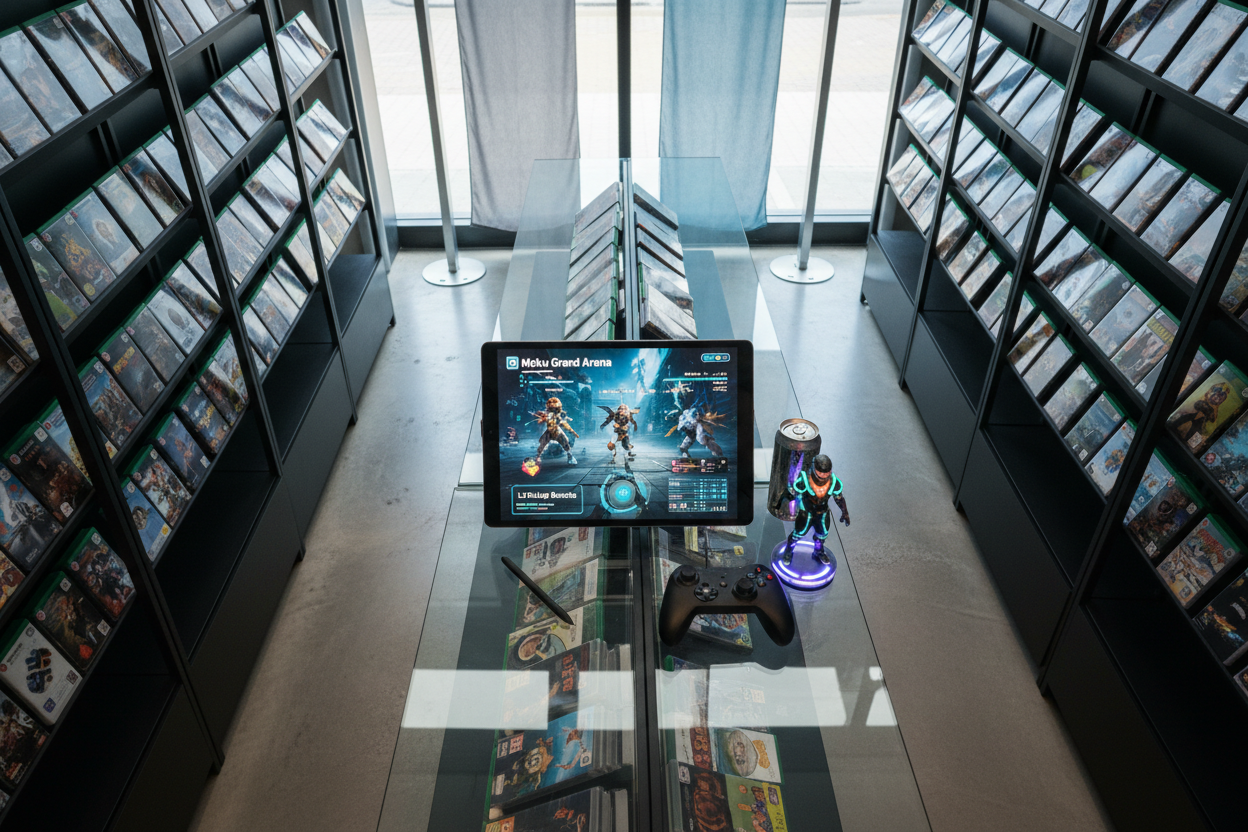
Ronin Network stands at a pivotal juncture in 2026, transitioning from a standalone sidechain to an Ethereum Layer-2 rollup, a move that promises to supercharge Ronin L2 rollups for high-stakes Web3 gaming. At the forefront of this evolution is Moku’s Grand Arena, an AI-powered ecosystem where autonomous tanuki NFTs clash in strategic battles. With RON trading at $0.1492, down $0.0133 or -0.0818% over the last 24 hours (high $0.1632, low $0.1477), the chain’s gaming dominance faces real tests in scalability. This upgrade aligns Ronin with Ethereum’s settlement layer, retaining RON as the gas token while slashing latency and costs for titles like Grand Arena.
Moku Grand Arena exemplifies how Ronin blockchain scalability tackles Web3 gaming’s pain points. Born from a questing platform that amassed over 300,000 users, Moku pivoted to full-fledged gameplay with animated Mokis – raccoon dog warriors that battle autonomously. Recent initiatives like the Booster Box sale in October 2025 and the four-week preseason in November underscore this maturation. Players trained Mokis for mXP rewards, with top performers minting as Season 1 Champions, complete with royalties. Now, the January 2026 Moku Guild Boost Program injects $50,000 in grants, funding guilds with at least ten members for cards, gems, and entries. These steps prime Grand Arena for explosive growth amid Ronin’s L2 pivot.
Ronin’s Layer-2 Migration: Unlocking Gaming Scalability
Sky Mavis’s blueprint for Ronin Layer 2 expansion 2026 targets Q1-Q2 deployment, inheriting Ethereum’s security proofs while optimizing for gaming throughput. Traditional blockchains buckle under simultaneous player actions – think thousands of Moki battles triggering transactions per second. Ronin’s sidechain era delivered #1 gaming chain status, but L2 rollups elevate it further: batched transactions settle on Ethereum, compressing data to cut fees by orders of magnitude. Developers report enhanced speeds for large-scale apps, directly benefiting Moku Grand Arena Ronin integration.
Consider the mechanics. Rollups aggregate user actions off-chain, posting succinct proofs to Ethereum. This yields sub-second confirmations versus minutes on congested L1s, vital for real-time PvP in Grand Arena. Gas charges plummet, easing entry for casual gamers. Ronin’s 2025 review highlights Grand Arena’s AI ecosystem as a crown jewel, with preseason servers handling tenfold traffic over prior Web3 games. Guild boosts ensure equitable onboarding, mitigating whale dominance in early seasons.

Preseason hot, S1 flywheel incoming. Low effort, high RON/USDC bags.
https://t.co/EMKBdxt8CD | https://t.co/YQHp3ElGrG
GUILD GRANTS DROP $50K POOL! 💰
Fund your squad for S1 dominance. UPFRONT packs, gems, boosters, CASH. Min 10 active members.
Qualify: Gaming crews, creators, Pixels/Axie vets (bonus, not req). Timezone flex. https://t.co/8mpmo8jLZM

Apply (5 mins):
Deets: https://t.co/32j6so0KJl
Form: https://t.co/TM3lR3tsBy
(Guild info, socials, wallet, etc.)
Discord for vibes. Who’s leading a guild? Drop binders/rare pulls below! Tag your crew.
LFG S1 $1M grind! 🌕 @Moku_HQ @Hantao #MokuHQ #Web3Gaming
Quantifying Web3 Gaming Transaction Speeds Post-L2
Web3 gaming transaction speeds define competitive edges, and Ronin L2 rollups position Grand Arena leagues ahead. Pre-migration, Ronin processed peaks from Axie Infinity surges, with RON spiking 20% daily and 28% weekly on chain hype. Now at $0.1492, it reflects maturation pains, yet fundamentals shine. Rollups target 100,000 and TPS, dwarfing Ethereum’s base layer. For Moku, this means fluid auto-battles without lag-induced losses. Preseason data: Mokis earned mXP seamlessly across global servers, foreshadowing Season 1 spectacles.
Risk-managed portfolios favor such infrastructure bets. My FRM lens spots resilience: Ethereum alignment hedges centralization risks, while RON’s gas role preserves utility. Guild programs democratize access, fostering retention over pump-and-dump cycles. Prediction models, factoring L2 rollout and Grand Arena traction, eye RON upside through 2026.
Ronin (RON) Price Prediction 2027-2032
Annual forecasts influenced by L2 rollup migration, Moku Grand Arena expansion, and Web3 gaming scalability advancements
| Year | Minimum Price | Average Price | Maximum Price | YoY % Change (from Avg) |
|---|---|---|---|---|
| 2027 | $0.35 | $0.65 | $1.15 | +335% (from 2026 baseline $0.15) |
| 2028 | $0.55 | $1.05 | $2.10 | +62% |
| 2029 | $0.85 | $1.65 | $3.25 | +57% |
| 2030 | $1.25 | $2.35 | $4.50 | +42% |
| 2031 | $1.65 | $3.15 | $6.00 | +34% |
| 2032 | $2.10 | $4.25 | $8.50 | +35% |
Price Prediction Summary
RON is poised for substantial growth post-2026 L2 rollout and Moku Grand Arena success, with average prices potentially rising from $0.65 in 2027 to $4.25 by 2032, driven by enhanced scalability, gaming adoption, and Ethereum ecosystem integration. Bullish scenarios reflect market cap expansion to multi-billion levels amid Web3 gaming boom, while mins account for bearish cycles.
Key Factors Affecting Ronin Price
- Ethereum L2 rollup migration in Q1-Q2 2026 boosting transaction speed and security
- Moku Grand Arena growth with AI-driven gameplay, preseason success, and Guild Boost Program
- Web3 gaming token surge trends and Ronin’s #1 gaming blockchain status
- Market cycles, regulatory clarity on gaming/blockchain, and competition from other L2s
- Adoption metrics: user growth from 300K+ in Moku tools, potential royalties from Champion NFTs
- Macro factors: crypto bull markets post-Bitcoin halvings, TVL increases on Ronin chain
Disclaimer: Cryptocurrency price predictions are speculative and based on current market analysis.
Actual prices may vary significantly due to market volatility, regulatory changes, and other factors.
Always do your own research before making investment decisions.
Moku’s Grand Arena Mechanics Meet L2 Efficiency
Delve into Grand Arena’s core: players deploy Moki squads in AI-orchestrated mayhem, earning via contests and royalties. Booster Boxes offered no-loss raffles – deposit RON, win cards or redeem via Second Chance Shop. This liquidity loop sustains engagement. L2 rollups amplify it by minimizing failed txns from volatility; at $0.1492, RON’s stability post-dip aids precise deposits. Guilds securing boosts will scale rosters, pressuring servers that L2 handles effortlessly. Ronin’s recap logs pack openings and themed accessories, blending Axie lore with Moku flair, all primed for scalability leaps.
These mechanics, fused with Ronin L2 rollups, create a feedback loop where player actions drive chain activity, bolstering RON demand at its current $0.1492 perch. Imagine guilds deploying boosted squads in real-time tournaments; L2’s batched proofs ensure no transaction orphans mid-clash, preserving strategic depth.
Guild Boosts and Community Momentum
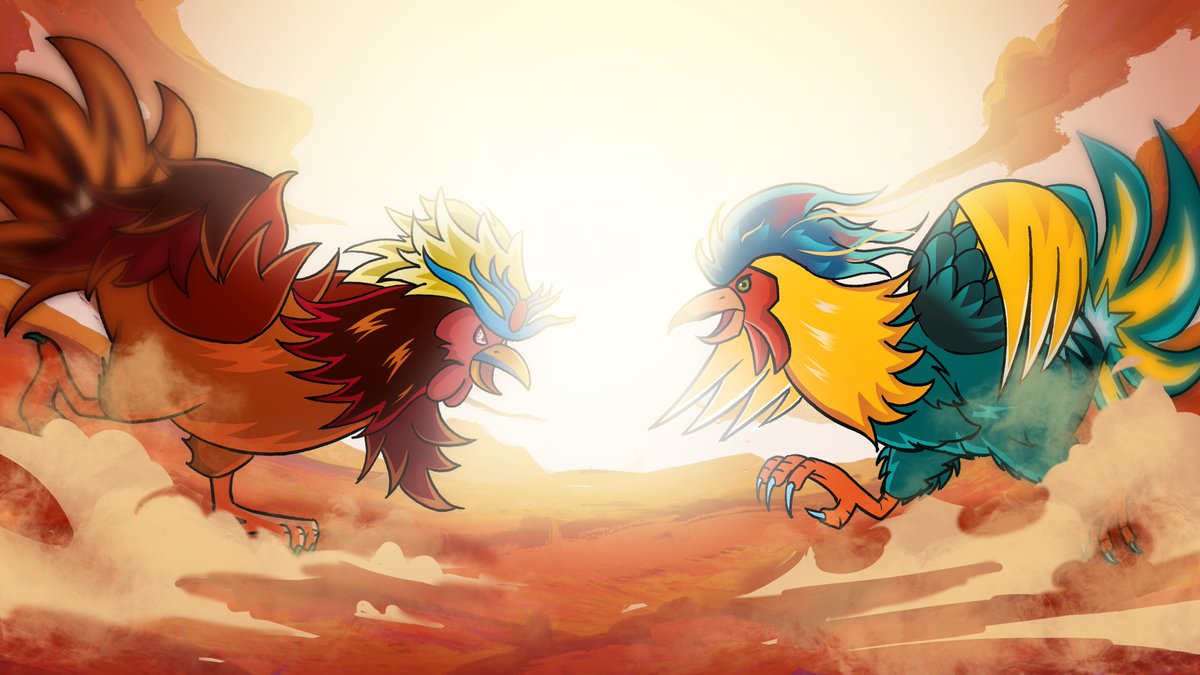
The Moku Guild Boost Program marks a strategic pivot, allocating $50,000 to guilds with ten-plus members. Funding covers cards, gems, and contest entries, leveling the field for Season 1. This initiative counters early-adopter advantages, a common Web3 pitfall I’ve seen erode long-term value in other chains. Ronin’s Ronin blockchain scalability absorbs this influx: more guilds mean denser matchups, testing L2 throughput from day one. Preseason’s ten servers managed spikes effortlessly, a preview of 2026’s demands.
From my quantitative vantage, this fosters stickiness. Guilds build social capital, reducing churn versus solo play. RON at $0.1492, post its 24-hour dip from $0.1632 high, signals consolidation before L2 catalysts. Rollout in Q1-Q2 2026 will validate these bets, as Ethereum settlement fortifies against exploits while rollups slash costs.

Performance Metrics: Ronin L2 vs. Legacy Chains
Benchmarking Web3 gaming transaction speeds reveals Ronin’s edge. Legacy L1s like Ethereum crawl at 15 TPS under load; Ronin’s sidechain hit 2,000 TPS peaks during Axie booms. L2 rollups project 100,000 TPS, calibrated for Grand Arena’s AI battles where each Moki maneuver chains transactions. Gas fees, already low, drop further – critical at RON’s $0.1492, ensuring micro-payments for entries don’t deter masses.
Grand Arena’s evolution from 300,000-user questing to autonomous PvP underscores this. Preseason mXP farming and Champion mints hooked players; Season 1 royalties incentivize holding. L2 mitigates volatility risks – failed txns from price swings like today’s -0.0818% become relics.
Ronin Recap 31 Highlights
-
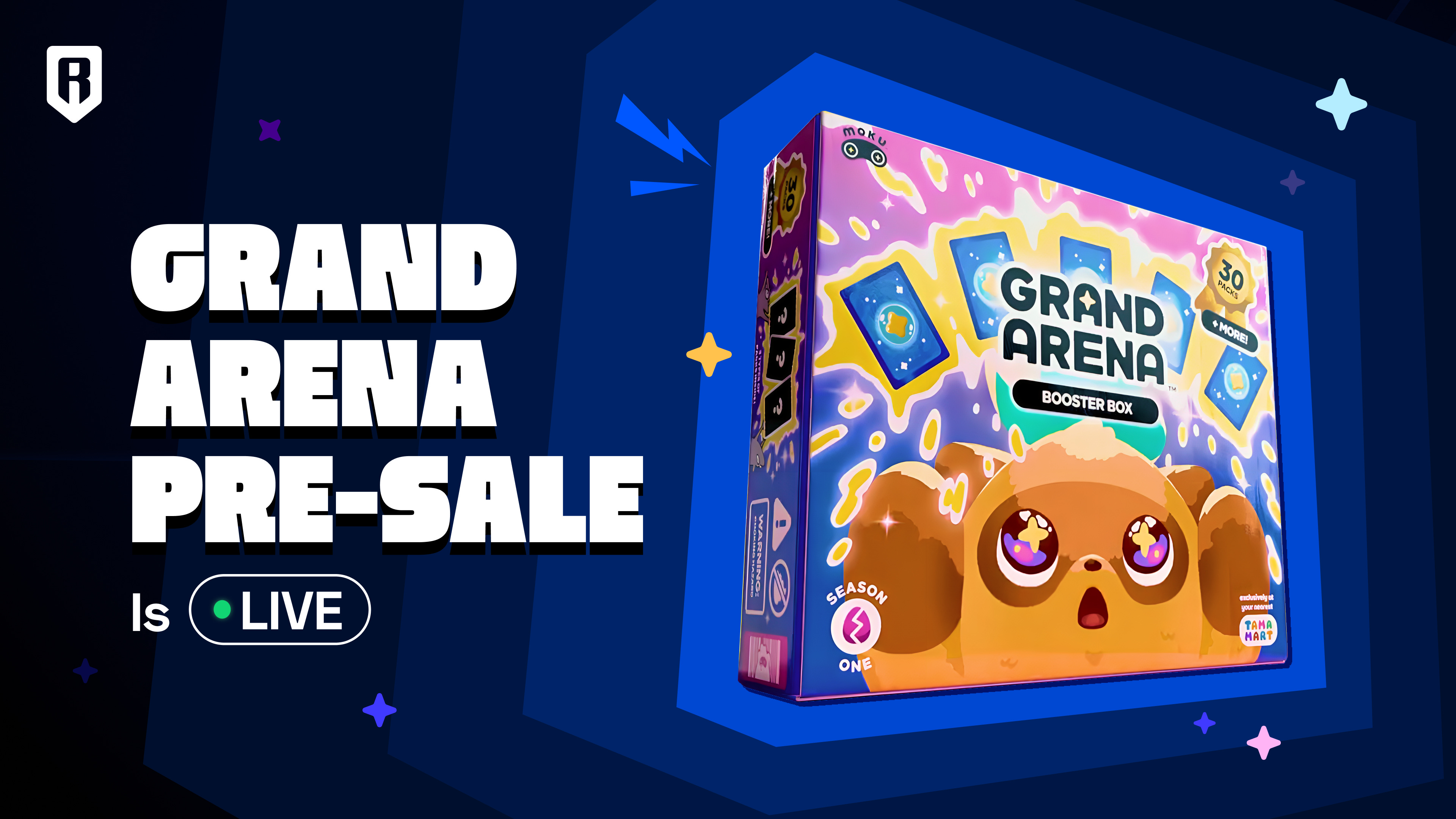
Grand Arena Pack Opening: Featured at 0:09, showcasing Booster Box openings with essential cards from the October 2025 no-loss raffle.Source: Ronin Network Facebook & Blog
-

Moku Themed Axie Accessories: Introduced at 1:22, new accessories enhancing Axie integration with Moku’s ecosystem.Source: Ronin Network Facebook
-
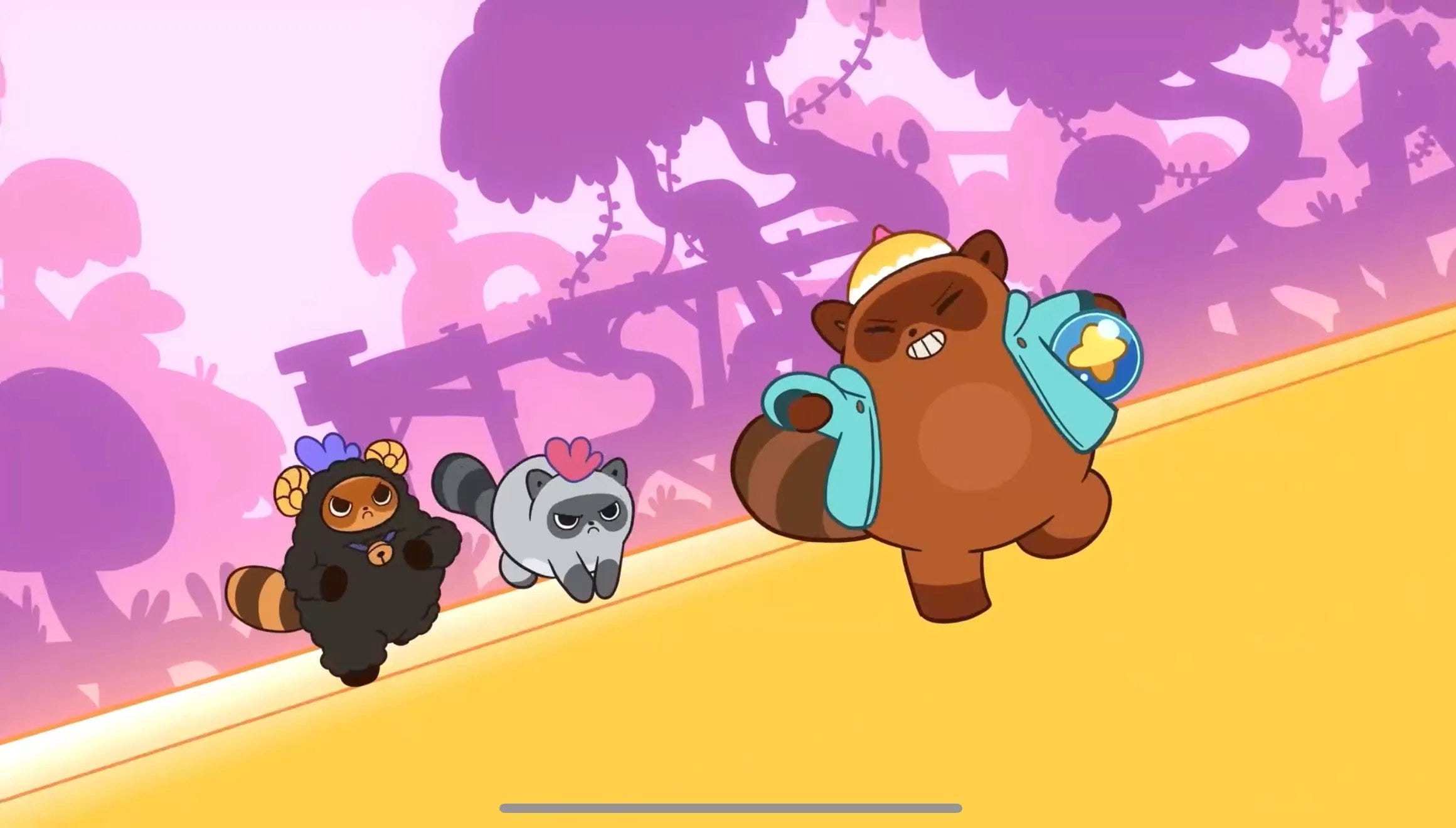
Grand Arena Preseason Launch: Four-week event in November 2025 for training Moki NFTs in auto-battles to earn mXP; top 100 become Season 1 Champions.Source: roninchain.com blog
-
Moku Guild Boost Program: $50,000 in grants launched January 2026 for guilds with 10+ members to acquire cards and entries ahead of Season 1.Source: roninchain.com blog
Portfolio builders note: allocate conservatively to RON amid this setup. Its utility as gas token persists, amplified by gaming volume. Moku’s traction – themed Axie accessories, Fishing Frenzy crossovers – weaves ecosystem synergies. As Ronin Layer 2 expansion 2026 unfolds, expect sustained pressure on scalability limits, met by rollup ingenuity.
Ronin’s ascent to #1 gaming chain wasn’t luck; it’s engineered resilience. Grand Arena thrives on this backbone, turning tanuki skirmishes into scalable spectacles. With guilds ramping and L2 live, 2026 charts a path where performance dictates dominance, RON at $0.1492 poised for measured gains.
About the Author