

Ronin Network’s Saigon Testnet just executed its hardfork at block #45528550 on February 5,2026, at 23: 58: 55 UTC, marking the Ronin L2 permissionless migration to Optimism’s OP Stack infrastructure. This pivotal upgrade catapults Ronin toward Ethereum alignment, slashing costs and turbocharging speeds for gaming developers. With RON trading at $0.0902 after a 24-hour dip of -0.0843% (low $0.0809, high $0.1007), the market’s holding steady amid this tech leap.
Gaming devs, this isn’t just another fork; it’s your ticket to Ethereum’s Superchain ecosystem. Ronin’s shift unlocks 15x faster transactions, bulletproof security via Ethereum settlement, and $5-7M in milestone-based grants. Builders get Proof-of-Distribution rewards, fueling dApp innovation in Web3 gaming. No user action needed for continuity, but RPC node runners: act now or lag behind.

Ronin Optimism Infrastructure Upgrade: Core Benefits for Gaming
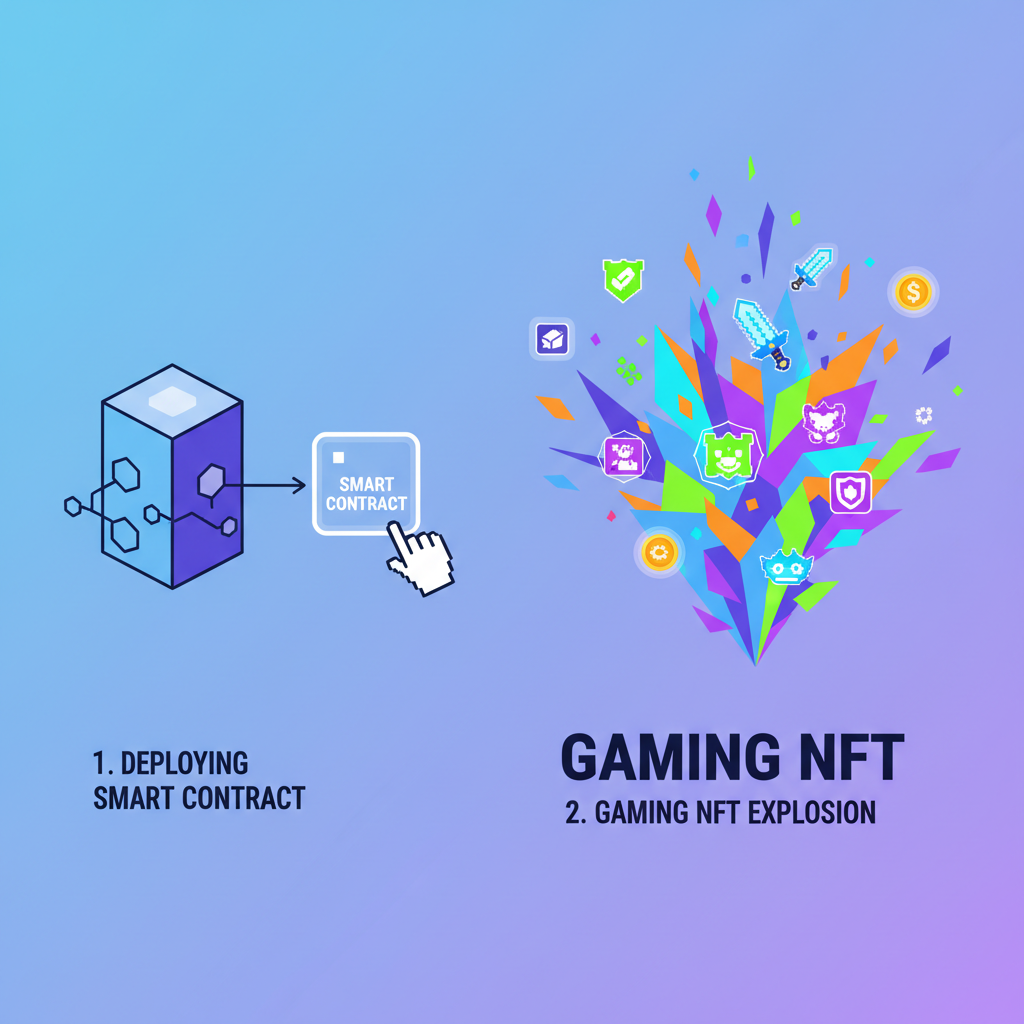
Ronin’s Ronin L2 scalability for developers hits escape velocity with Optimism’s battle-tested stack. Expect seamless integration into the Superchain, alongside Base and other heavyweights. Transaction throughput surges, fees plummet, and Ethereum’s liquidity floods in. For gaming studios, this means fluid NFT minting, instant in-game trades, and cross-chain composability without the sidechain silos.
Data backs the hype: post-migration snapshots enable fresh L2 node spins with reth and op-node. Governing Validators greenlit this after August’s announcement, eyeing Q1-Q2 2026 mainnet. Sky Mavis positions Ronin as Ethereum’s gamification engine, blending DeFi incentives with play-to-earn mechanics.
Saigon Testnet Hardfork: Timeline and Technical Specs
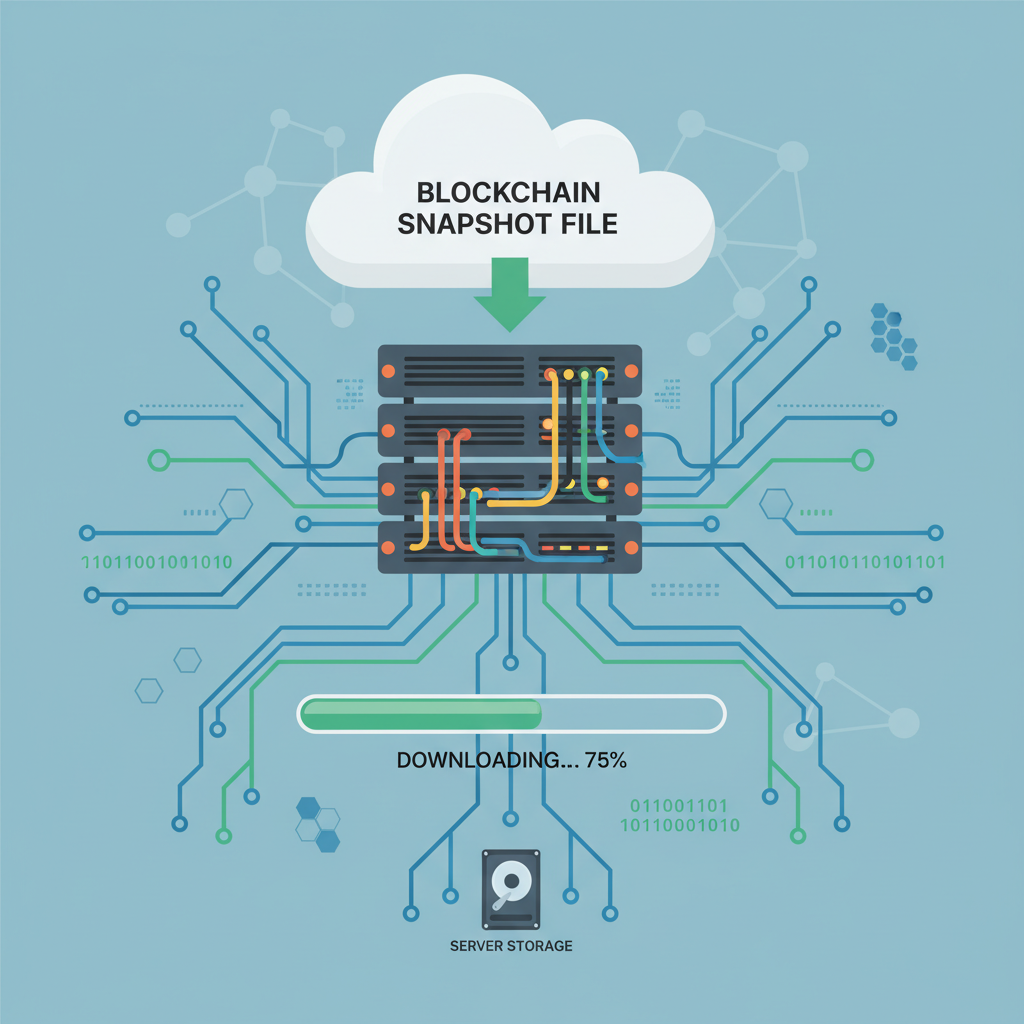
The hardfork locked in at precisely 23: 58: 55 UTC, February 5. Block height #45528550 triggered the Neo v27.1 and Miko upgrades, paving Ronin’s path home. Post-fork, downloadable state snapshots streamline L2 launches. No disruptions for end-users, but developers must sync infrastructure.
Key specs: Reth for execution integrity, op-node for sequencing. This permissionless model empowers builders to deploy without gatekeepers, accelerating Ronin testnet hardfork gaming experiments. Optimism’s playbook ensures safety, drawing from Base’s playbook.
Ronin (RON) Price Prediction 2027-2032
Post-Saigon Testnet Hardfork and Optimism OP Stack L2 Migration Outlook
| Year | Minimum Price | Average Price | Maximum Price | YoY % Change (Avg from Prior Year) |
|---|---|---|---|---|
| 2027 | $0.12 | $0.25 | $0.45 | +108% |
| 2028 | $0.18 | $0.40 | $0.75 | +60% |
| 2029 | $0.28 | $0.65 | $1.20 | +62% |
| 2030 | $0.40 | $1.00 | $1.80 | +54% |
| 2031 | $0.55 | $1.60 | $2.80 | +60% |
| 2032 | $0.80 | $2.50 | $4.50 | +56% |
Price Prediction Summary
Ronin (RON) is poised for significant growth following its 2026 L2 migration to Optimism’s OP Stack, enhancing scalability, security, and integration with Ethereum’s Superchain. Predictions reflect bullish adoption in blockchain gaming, developer grants, and market cycles, with average prices potentially rising 5x by 2032 amid broader crypto bull runs, tempered by bearish mins for regulatory or competitive risks.
Key Factors Affecting Ronin Price
- L2 migration boosts transaction speed (15x), security, and Ethereum interoperability
- Optimism Superchain integration unlocks $5-7M grants and Proof-of-Distribution rewards for builders
- Gaming ecosystem expansion (Axie Infinity, etc.) driving TVL and user adoption
- Market cycles: Potential 2027-2028 bull run post-Bitcoin halving effects
- Regulatory clarity for Ethereum L2s and competition from Solana/Base gaming chains
- Macro factors: Broader crypto adoption, ETF inflows, and RON tokenomics improvements
Disclaimer: Cryptocurrency price predictions are speculative and based on current market analysis.
Actual prices may vary significantly due to market volatility, regulatory changes, and other factors.
Always do your own research before making investment decisions.
Essential Pre- and Post-Hardfork Steps for Devs
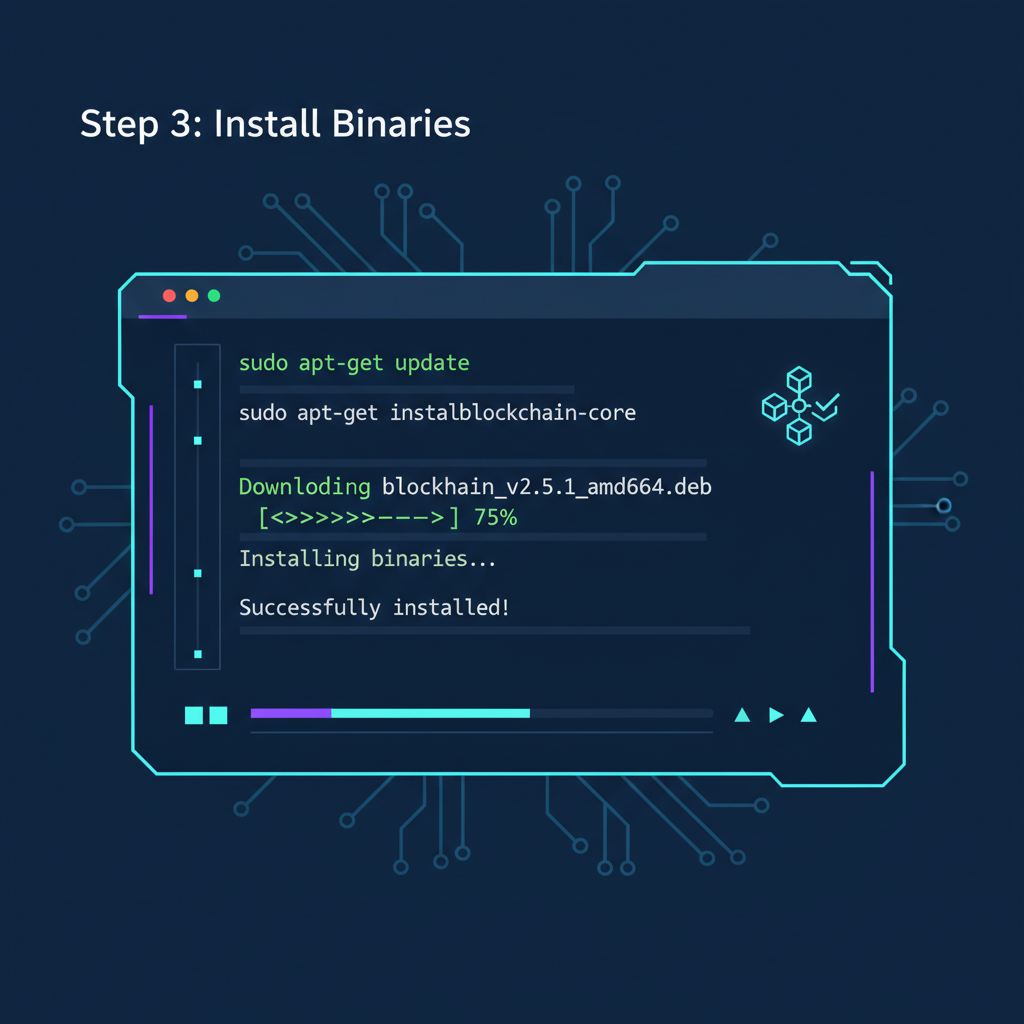
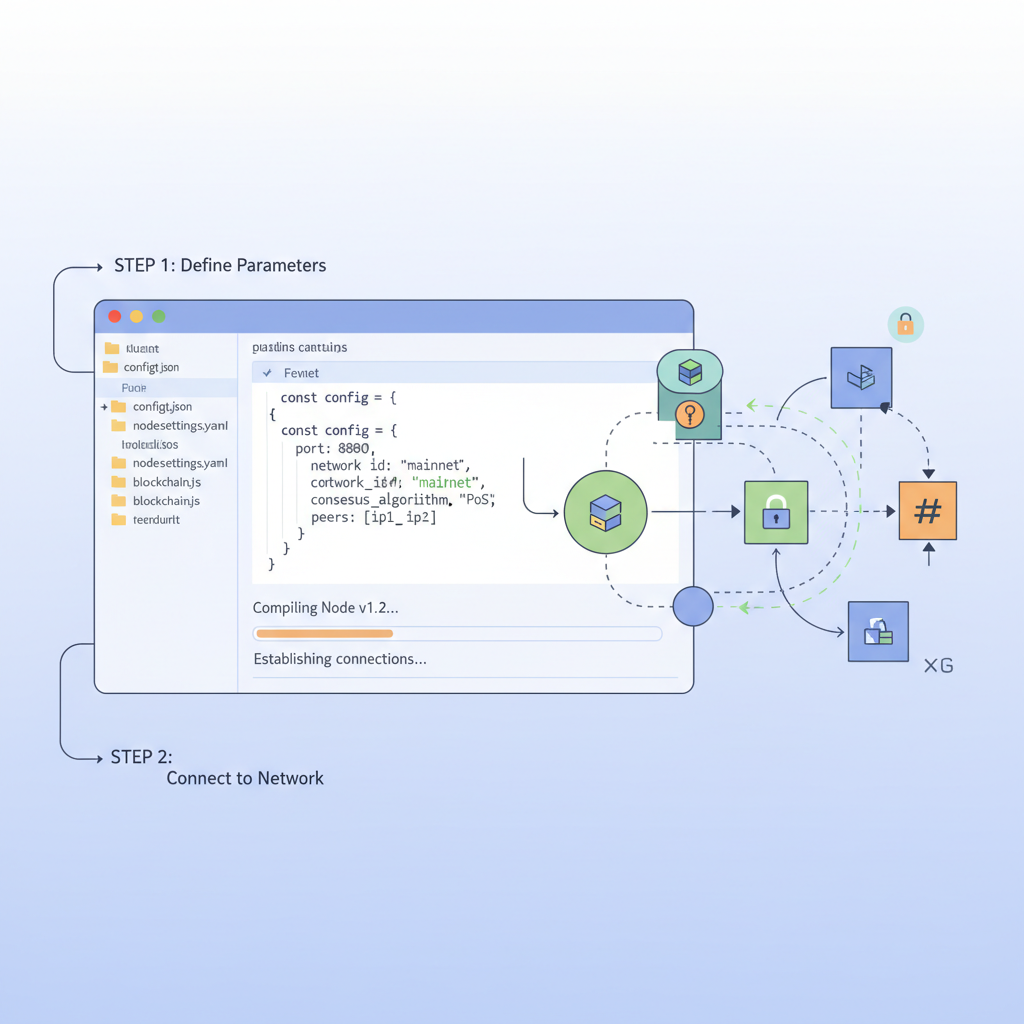
Upgrade your Saigon Testnet nodes immediately if running RPC endpoints. Download the latest binaries, sync with the snapshot, and fire up reth/op-node stacks. Test dApps rigorously: check contract migrations, verify EVM compatibility, and stress-test TPS under L2 conditions.
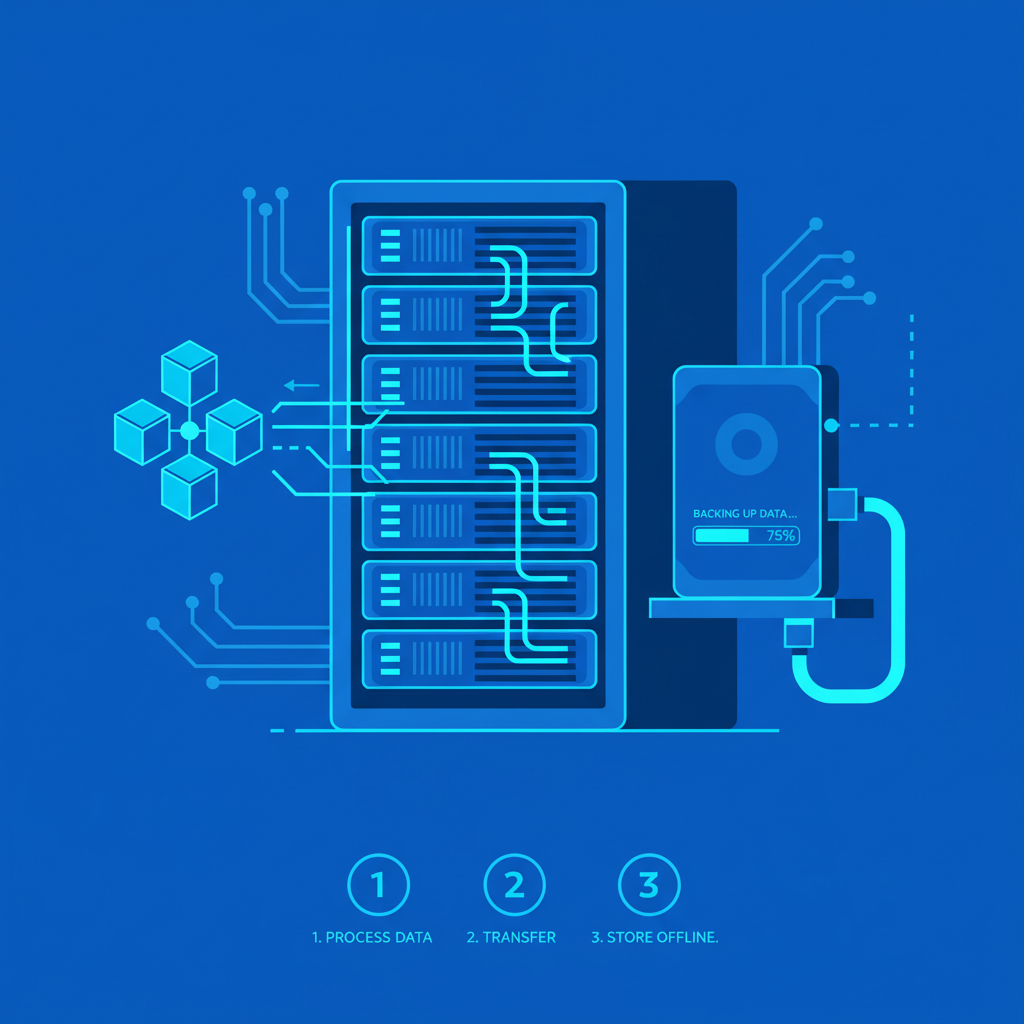
- Backup current node state.
- Fetch OP Stack tools via Ronin docs.
- Deploy reth with Ethereum L1 RPC endpoint.
- Configure op-node for batch submission.
- Validate with sample gaming payloads.
Gaming devs, prioritize permissionless bridges for asset portability. This upgrade isn’t optional; it’s your edge in Ronin’s Optimism Superchain Ronin gaming era. Dive deeper via Ronin Network’s OP Stack transition guide.
RON’s resilience at $0.0902 signals investor confidence. With Superchain grants flowing, expect builder bounties to spike adoption. Stay tuned as mainnet looms.
Builders ignoring this fork risk obsolescence in a Superchain-dominated landscape. I’ve charted enough breakouts to know: early movers capture liquidity flows. With RON steady at $0.0902, dip buyers smell value in this infrastructure pivot.
Technical Deep Dive: Reth and Op-Node Integration
Ronin’s Ronin Optimism infrastructure upgrade swaps sidechain isolation for OP Stack precision. Reth handles execution with Ethereum-grade fidelity, while op-node sequences batches for L1 settlement. This duo delivers 15x TPS spikes, critical for high-volume gaming payloads like loot box openings or guild battles.
Permissionless deployment means no validator vetoes; spin nodes freely post-snapshot. Data from Saigon Testnet confirms zero downtime, with state files downloadable now. For Ronin testnet hardfork gaming, simulate raids at 100 and TPS without gas wars. Optimism’s Superchain interoperability? Seamless composability with Base dApps, funneling Ethereum TVL into Ronin games.
Pro tip: Pin your L1 Ethereum RPC to a low-latency provider. Latency kills immersion in blockchain shooters. This stack future-proofs against mainnet’s Q1-Q2 2026 hardfork, where grants hit $5-7M for milestone crushers.
Step-by-Step Node Upgrade for Gaming dApps
Don’t just read; execute. Ronin’s L2 shift demands proactive infra tweaks. Here’s your playbook to migrate RPC nodes without hiccups, optimized for gaming workloads.
Ronin Saigon Testnet OP Stack Upgrade: Hardfork-Ready RPC Node Guide
Post-upgrade, benchmark your setup. Push 1,000 mock NFT transfers; aim for sub-second finals. Gaming devs, layer in permissionless bridges next. Transfer Axie assets cross-chain effortlessly, tapping Superchain liquidity pools. I’ve seen sidechains fracture under traffic; OP Stack’s fault tolerance changes the game.
Gaming isn’t spectator sport on L2; it’s where builders dictate meta.
RON’s 24-hour range ($0.0809 low, $0.1007 high) reflects measured optimism. That -0.0843% pullback? Healthy consolidation before volume ignites on testnet metrics.
Optimism Superchain Edge: Monetizing Ronin L2 for Devs
Enter Optimism Superchain Ronin gaming: shared sequencing, unified liquidity, and Proof-of-Distribution yields. Studios earn RON rewards for TVL growth, not just speculation. DeFi primitives bolt onto play-to-earn: yield-bearing in-game vaults, composable tournaments.
Sky Mavis envisions Ronin as Ethereum’s gamification layer. Post-migration, expect dApp floods. Data point: Base’s OP Stack cloned 10x user growth; Ronin, with gaming moat, could eclipse that. Builders, claim grants early. Testnet success stories already buzzing on X.
Scale your studio’s edge. Check Ronin’s OP Stack integration for developers and builders for bridge contracts. With mainnet horizon sharp, RON at $0.0902 undervalues this trajectory. Deploy today; lead tomorrow’s meta.
| Metric | Pre-L2 | Post-L2 (Testnet) |
|---|---|---|
| TPS | ~100 | 1,500 and |
| Fees | $0.01 avg | and lt;$0.001 |
| Security | Sidechain | Ethereum-settled |
Ronin’s L2 permissionless migration isn’t hype; it’s executable alpha. Gaming devs, sync up. The Superchain awaits your killer titles.
About the Author