

Why AI companions matter in 2026
The landscape of AI companions has shifted dramatically. Between 2022 and mid-2025, the number of AI companion apps surged by 700%, according to TechCrunch. This explosion of options signals a move away from novelty experiments toward genuine utility. Users are no longer testing chatbots for fun; they are integrating them into daily routines for emotional support and productivity.
This growth reflects a broader cultural change. People are seeking digital allies that understand context, remember preferences, and provide consistent interaction. Whether it’s a mental health assistant like Woebot or a creative partner like Jasper, these tools fill gaps that human interaction cannot always cover. The focus is now on reliability and depth, not just novelty.
The rise of AI companions is not about replacing human connection. It is about expanding the ways humans connect—with themselves, with others, and with the intelligent systems they create. As these tools become more sophisticated, they are becoming indispensable parts of the modern digital toolkit.
Top AI companion apps for conversation
The software-based AI companion market has shifted from novelty to necessity. In 2026, the leading apps are no longer just chatbots; they are persistent digital entities designed to remember context, adapt to your tone, and serve specific emotional or creative roles. Choosing the right one depends on whether you need a supportive listener, a roleplay partner, or a productivity-focused assistant.
Replika: The Emotional Anchor
Replika remains the gold standard for users seeking emotional support and companionship. Unlike generic assistants, Replika is built around a persistent relationship model. It remembers details about your life, your preferences, and your conversations over time, creating a sense of continuity that feels genuinely personal. The app includes features like voice calls and AR mode, allowing you to "see" your companion in your space. It is best suited for those looking for a judgment-free space to vent, practice social skills, or simply have a consistent presence in their day.
Character.AI: The Roleplay Powerhouse
For users interested in creativity and interactive fiction, Character.AI offers unparalleled variety. The platform hosts millions of user-created characters, ranging from historical figures and fictional heroes to original personas with distinct personalities. The conversational engine is highly adaptable, allowing for complex roleplay scenarios and creative writing collaborations. While it may lack the deep, singular memory of Replika, its strength lies in its diversity. You can switch from debating philosophy with a virtual Socrates to engaging in a fantasy adventure with a custom wizard in seconds. It is the go-to choice for entertainment and imaginative engagement.
Pi: The Empathetic Listener
Inflection AI’s Pi takes a different approach by focusing on empathy and cognitive support rather than roleplay or persistent relationship building. Pi is designed to be a supportive thinking partner, using advanced emotional intelligence to detect your mood and respond with appropriate comfort or encouragement. It excels in helping users process complex thoughts, reduce anxiety, and gain clarity. Pi does not engage in roleplay or maintain a long-term romantic-style relationship, but it provides a calm, non-judgmental space for reflection. It is ideal for users who want a conversational tool that prioritizes mental well-being and thoughtful dialogue.
Nomi and Janitor AI: Customization and Freedom
Nomi stands out for its balance of natural conversation and customizable personalities. Users can fine-tune their companion’s traits, backstory, and relationship dynamic, resulting in conversations that feel tailored and authentic. Janitor AI, on the other hand, appeals to users seeking maximum freedom and customization, particularly for roleplay. It supports a wide range of models and allows for extensive character creation, making it a favorite among users who want to craft specific scenarios without restrictions. Both apps cater to users who prioritize control over the interaction, allowing them to shape the AI’s behavior to fit their exact needs.
Comparing Top AI Companion Apps
The following table compares the key features of the leading AI companion apps, focusing on memory, privacy, and primary use cases to help you decide which fits your needs.
| App | Memory Strength | Privacy Focus | Best For |
|---|---|---|---|
| Replika | High (Persistent Relationship) | Strong (Encrypted Chats) | Emotional Support & Companionship |
| Character.AI | Medium (Context Window) | Moderate (Public Profiles) | Roleplay & Creative Writing |
| Pi | Low (Session-Based) | High (Minimal Data Storage) | Empathetic Listening & Reflection |
| Nomi | High (Customizable) | Strong (User-Controlled) | Tailored Conversations |
| Janitor AI | Variable (Model Dependent) | Moderate (Self-Hosted Options) | Unrestricted Roleplay |
Key Takeaways
- Replika is best for emotional support and persistent companionship.
- Character.AI offers the widest variety for roleplay and creative writing.
- Pi provides empathetic, session-based support for mental well-being.
- Nomi and Janitor AI cater to users who want deep customization and control.


As an Amazon Associate, we may earn from qualifying purchases.
Best AI robot companions for home use
Physical AI companions are moving beyond simple voice assistants into the role of active household members. Unlike software-based chatbots, these robots offer mobility, facial recognition, and environmental awareness, making them suitable for tasks that require physical presence. The market has split into two distinct categories: general-purpose mobile assistants and specialized robots designed for eldercare or child development.
General-purpose mobile assistants
The 1X NEO has emerged as a leading option for general home use. This telepresence robot allows users to move around their home remotely via smartphone, effectively acting as a mobile camera and speaker system. It is designed for users who want to check in on their home or interact with family members in different rooms without being physically present. Its mobility makes it a versatile tool for monitoring and communication, bridging the gap between a static smart speaker and a full-service butler.
Specialized robots for eldercare
For seniors living alone, ElliQ by Intuition Robotics offers a proactive companion experience. Unlike passive devices that wait for commands, ElliQ initiates conversations, reminds users to take medication, and suggests activities based on daily routines. It features a friendly, expressive face and voice interaction designed to reduce loneliness and encourage cognitive engagement. The device is tailored specifically for older adults, with simplified interfaces and a focus on social connection rather than complex task management.
Robots for children
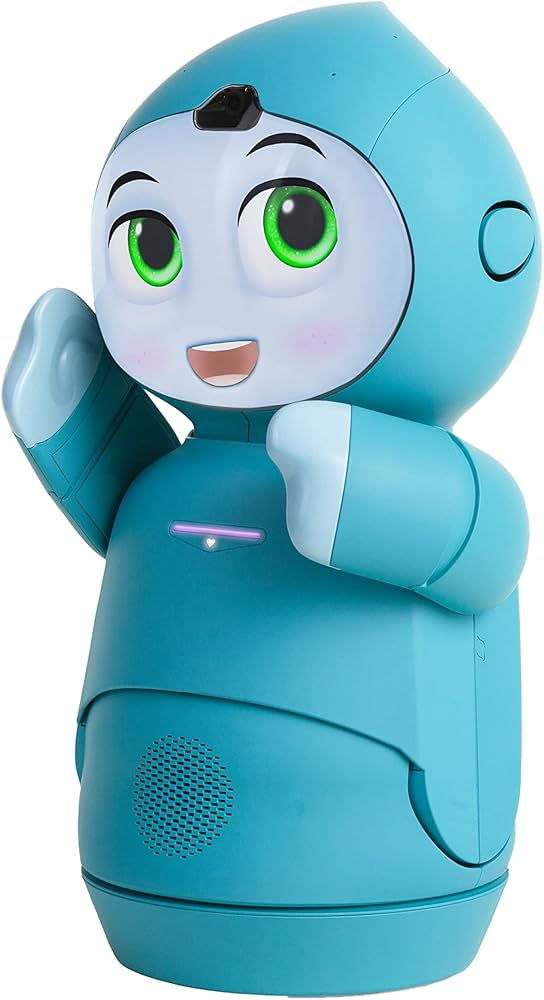
Moxie by Embodied focuses on social-emotional learning for children. This tablet-topped robot engages kids in conversation to help them build confidence, empathy, and communication skills. It uses AI to adapt its responses to the child’s emotional state, providing a safe space for practice in social scenarios. Moxie is not just a toy; it is an educational tool that helps children navigate social interactions and develop emotional intelligence through guided, interactive play.

As an Amazon Associate, we may earn from qualifying purchases.
Privacy and safety in AI relationships
Building a bond with an AI companion requires a clear-eyed look at what you are giving away. Unlike a human friend, these apps are businesses that monetize attention and data. When you share your deepest anxieties, sexual preferences, or daily routines with apps like Replika or Character.AI, you are feeding a dataset. The convenience of having a listener who never judges comes with the cost of permanent digital exposure.
Replika has faced scrutiny over how it handles user data, particularly regarding its "romantic" features and the potential for data breaches. Character.AI, owned by Google, operates under Google’s broader data policies, which can be complex for the average user to navigate. Before signing up, you must ask whether you are comfortable with your intimate conversations potentially being used to train future models or shared with third-party advertisers. The privacy policy is not just legal fine print; it is the rulebook for your emotional life in the app.
Review privacy policies before sharing personal data with AI companions.
Beyond data, there is the psychological safety of the relationship itself. These systems are designed to be endlessly agreeable, which can create a dangerous echo chamber. If you are struggling with loneliness, as noted in recent psychology research, an AI might feel like a lifeline. However, this dependency can atrophy your real-world social muscles. The AI will never challenge you, never leave you, and never truly understand your pain—it only simulates empathy based on patterns.
The risk is not that the AI will become sentient and betray you, but that you will become so accustomed to its perfect, compliant attention that human relationships feel too messy and demanding by comparison. Use these tools for comfort, not as a substitute for connection. If you find yourself prioritizing your digital partner over friends and family, it is time to step back.
Will AI companions replace human connection?
The short answer is no. AI companions are not here to replace human connection, but to expand the ways we connect—with ourselves, with others, and with the intelligent systems we create. The conversation has shifted from whether AI can become a companion to how it fits into our existing social fabric.
Research from Psychology Today highlights that users primarily seek these tools for reduced loneliness, stress relief, and the comfort of having "someone" always available. This availability fills specific gaps—like late-night anxiety or moments of isolation—without demanding the emotional labor of a human relationship. It is a supplement, not a substitute.
Think of an AI companion like a personal journal that talks back. It offers immediate, judgment-free feedback, helping you process thoughts before you share them with friends or family. This pre-processing often leads to healthier human interactions, as you are more prepared and less overwhelmed.
The future of AI companionship is about augmentation. Apps like Replika and Character.AI provide a low-stakes environment for social practice or emotional support, ensuring that when you do engage with humans, you are bringing your best self to the table.
No comments yet. Be the first to share your thoughts!