Why data ownership matters now
The architecture of the modern internet is shifting. For years, centralized platforms have treated user content as a raw material for advertising, creating silos where algorithms dictate visibility and monetization flows away from the creator. This model relies on extraction rather than exchange. In 2026, the urgency to break this cycle is no longer theoretical; it is a structural necessity for digital sovereignty.

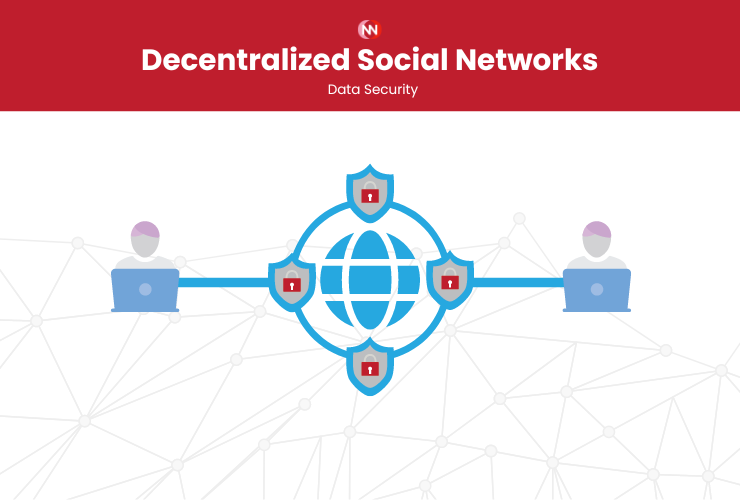
The risks of algorithmic control are becoming impossible to ignore. When a single entity controls the feed, it controls the narrative. Decentralized social media platforms offer a strategic alternative by distributing data across nodes, ensuring that users retain ownership of their identity and content. This shift moves power from the platform back to the individual, aligning the incentives of the network with the people who actually use it.
The market is already responding to this demand for control. Analysts project the decentralized social network market will grow from $2.8 billion in 2025 to $8.3 billion by 2033, signaling strong momentum toward user-owned infrastructure.
This growth is not just about technology; it is about agency. As users migrate away from walled gardens, the focus is shifting from highlighting platform power to breaking it. The result is a more resilient digital ecosystem where data is a right, not a commodity.
Top decentralized social platforms compared
The decentralized social landscape in 2026 is defined by a tension between open, federated protocols and closed, token-gated communities. Choosing the right platform depends on whether you prioritize censorship resistance, algorithmic transparency, or community moderation. The following comparison highlights the leading options across protocol architecture, incentive structures, and governance.
| Platform | Protocol Type | Token Incentives | Moderation Style |
|---|---|---|---|
| Mastodon | ActivityPub (Federated) | None | Instance-level |
| Lens Protocol | Polygon (Graph Protocol) | Lens NFTs, Creator Tokens | Community-governed |
| Bluesky | AT Protocol (Open) | None (yet) | Algorithmic feeds |
| Farcaster | Optimism (Base layer) | ENS, Protocol incentives | Client-side filters |
Mastodon remains the most accessible entry point for decentralized social media. It uses the ActivityPub protocol, allowing servers (instances) to communicate. While it offers strong free speech protections, moderation is fragmented; each server sets its own rules, leading to varying user experiences. There are no native token incentives, keeping it focused on social interaction rather than speculation.
Lens Protocol and Farcaster represent the newer wave of Web3-native social networks. Lens, built on Polygon, treats social graphs as NFTs, giving users true ownership of their connections and content. It integrates creator tokens and NFTs for monetization. Farcaster, built on Optimism, focuses on a minimalist, text-first experience with a robust ecosystem of client applications and protocol-level incentives.
Bluesky offers a different approach with its AT Protocol. It is open-source and allows users to choose their own algorithms, addressing the "black box" problem of traditional social media. While it currently lacks native token incentives, its open architecture makes it a strong contender for decentralized social media adoption. Moderation is handled through customizable algorithmic feeds rather than centralized bans.
Lens Protocol: Social graph on-chain
Lens Protocol stands as the leading example of blockchain-based social infrastructure, shifting the ownership of social capital from platforms to users. Built on Polygon, it functions as a decentralized social graph where every like, comment, and follow is an on-chain asset. This design ensures that your social identity is portable and cannot be arbitrarily deleted by a central administrator.
The protocol’s architecture enables true composability. Developers can build applications that interact directly with the social graph, allowing for innovative features such as programmable follows or token-gated content. Unlike traditional social media, where data is siloed, Lens allows users to take their audience and content with them if they choose to switch apps.

By treating social interactions as assets, Lens creates a new economic layer for social media. Users can monetize their influence directly through tips, subscriptions, or NFTs without platform intermediaries taking a significant cut. This model aligns the incentives of creators and platforms, fostering a more sustainable ecosystem for user-owned data.
Mastodon and the Fediverse ecosystem
Mastodon operates on the ActivityPub protocol, creating a decentralized network known as the Fediverse. Rather than a single corporate server, the network consists of thousands of independent servers, or "instances," that communicate with one another. This structure means no single entity controls the entire platform, offering a robust alternative to centralized social media models.
The ecosystem prioritizes stability and user privacy over financial speculation. Unlike platforms built on blockchain tokens, Mastodon does not rely on volatile cryptocurrency markets for its operation. This removes the pressure to monetize user attention through algorithmic ads, allowing the software to focus on reliable service and data ownership. Users retain control over their data, which is stored on their chosen instance rather than a central corporate database.
This model has seen steady growth as users seek alternatives to mainstream platforms. While it may not replace traditional social media overnight, the Fediverse provides a functional, open-source infrastructure for communities that value independence. The lack of a profit motive ensures that the platform's evolution is driven by community needs rather than shareholder returns.
Bluesky and open protocol growth
Bluesky has emerged as the leading decentralized social media platform for users who want a familiar experience without the central control. Built on the AT Protocol, it allows users to own their data and move their social graph between apps, solving the portability issues that plagued earlier attempts.
The platform’s rapid adoption stems from its Twitter-like interface. Users can post short updates, follow others, and curate feeds using customizable algorithms. Unlike walled gardens, Bluesky’s open protocol means developers can build alternative front-ends, giving users more choice over how they see content.
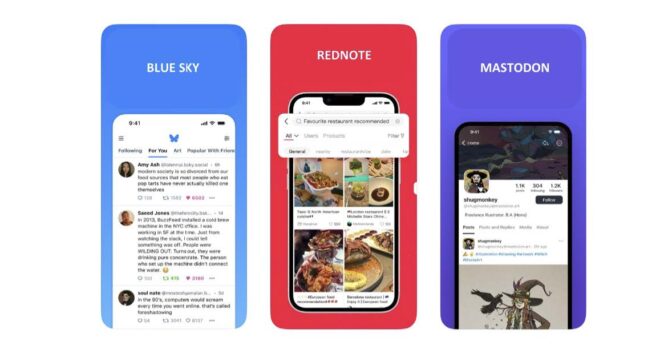
While Mastodon dominates the Fediverse for long-form discussion, Bluesky captures the mass market with its simplicity and speed. Its growth signals a shift: users are no longer willing to trade data ownership for convenience. As the AT Protocol matures, Bluesky is positioning itself as the default for decentralized microblogging.
Choosing the right platform for you
Decentralized social media is not a monolith. The best decentralized social media platform for you depends entirely on what you value most: crypto-native incentives, strict privacy, or mainstream familiarity.
If you want to earn tokens for engagement, look toward ActivityPub instances that integrate with the fediverse’s growing financial layer. For strict privacy, platforms like Bluesky offer robust data controls without the blockchain complexity. If you just want a familiar experience, Mastodon remains the most accessible entry point for those leaving traditional social networks.
Match your priority to the platform
-
Crypto rewards
Choose platforms with native token integration and wallet connectivity for monetization. -
Strict privacy
Select platforms with strong encryption and minimal data collection policies. -
Mainstream familiarity
Opt for ActivityPub or Bluesky clients that mimic familiar social feeds.
Frequently asked questions about decentralized social media
Are there viable alternatives to centralized social networks?
Yes. The ecosystem includes Mastodon, Lens Protocol, Bluesky, and Mirror. These platforms let you own your data and move your audience between services. Mastodon remains the most widely used, offering a Twitter-like experience without a central corporate owner.
Where are users migrating from TikTok in 2026?
Users are migrating to decentralized feeds like Bluesky and Lens Protocol. These alternatives prioritize user-owned data over algorithmic engagement. The shift reflects a broader desire for tools that respect digital sovereignty rather than treating users as data points.
Can I move my followers to a new decentralized platform?
Portability is a core feature, but the process varies. On ActivityPub networks like Mastodon, you can easily follow users across different servers. On app-specific protocols like Lens, you export your graph and import it elsewhere. Success depends on both platforms supporting the same open standards.
Is decentralized social media free to use?
Most platforms are free because they do not sell user data. Some charge for premium features or server costs, while others rely on voluntary donations. Unlike centralized apps, there is no hidden cost where your attention is the product.
Will decentralized social media replace TikTok?
Decentralized social media will not replace TikTok overnight. It serves a different purpose: ownership and control. TikTok remains dominant for entertainment, while decentralized platforms appeal to users seeking data sovereignty. The two models can coexist without one fully displacing the other.
No comments yet. Be the first to share your thoughts!