
Ronin network 2026 migration timeline
The Ronin network is set to undergo a fundamental structural change on May 12, 2026, when it executes a hard fork to transition from an independent sidechain to an Ethereum Layer 2 solution. This is not a gradual upgrade; it is a definitive cutoff point that requires immediate attention from all holders of RON tokens.
The migration effectively ends Ronin’s standalone consensus mechanism. As noted by CoinDesk, this transition marks the end of an era for the gaming-focused blockchain behind Axie Infinity, replacing its original architecture with Ethereum’s security model. For users, this means the technical infrastructure supporting their holdings is changing overnight.
Centralized exchanges are already preparing for the disruption. Binance has announced that it will suspend deposits and withdrawals of RON on the Ronin network starting approximately 14:00 UTC on May 12, 2026. This suspension is a standard safety measure during major network migrations but underscores the importance of acting before the deadline. If you hold RON on an exchange, you may need to withdraw it to a personal wallet or wait for the exchange to complete its own internal migration process.
The shift to an Ethereum L2 aims to improve scalability and security by leveraging Ethereum’s base layer. However, for the average user, the immediate concern is logistical compatibility. You must ensure your wallet provider supports the post-hard fork Ronin network on Ethereum. Using an incompatible wallet after the hard fork could render your assets inaccessible, regardless of whether they are held on an exchange or in self-custody.
Axie Infinity ecosystem updates
The migration to Ethereum as a Layer 2 is not just a backend upgrade; it is the foundation for the next generation of Ronin’s gaming titles. By May 12, 2026, the network completed its transition, bringing the security and liquidity of Ethereum directly to its gaming applications. This shift ensures that the core ecosystem remains robust as it scales.
Axie Infinity, the flagship title that built the network, now operates with significantly lower gas fees and faster finality. This technical improvement allows for more complex on-chain interactions, enabling smoother gameplay and more dynamic in-game economies. The migration removes the friction that previously limited user adoption, making the game more accessible to a broader audience.
Beyond Axie Infinity, the ecosystem is expanding with new titles that leverage the enhanced capabilities of the Ethereum L2. Grand Arena has already introduced bRON, a new token variant that integrates seamlessly with the updated network infrastructure. Similarly, Pixels has launched "Stacked by Pixels," adding new layers of utility and engagement for its community. These titles demonstrate the network's versatility beyond its original gaming roots.
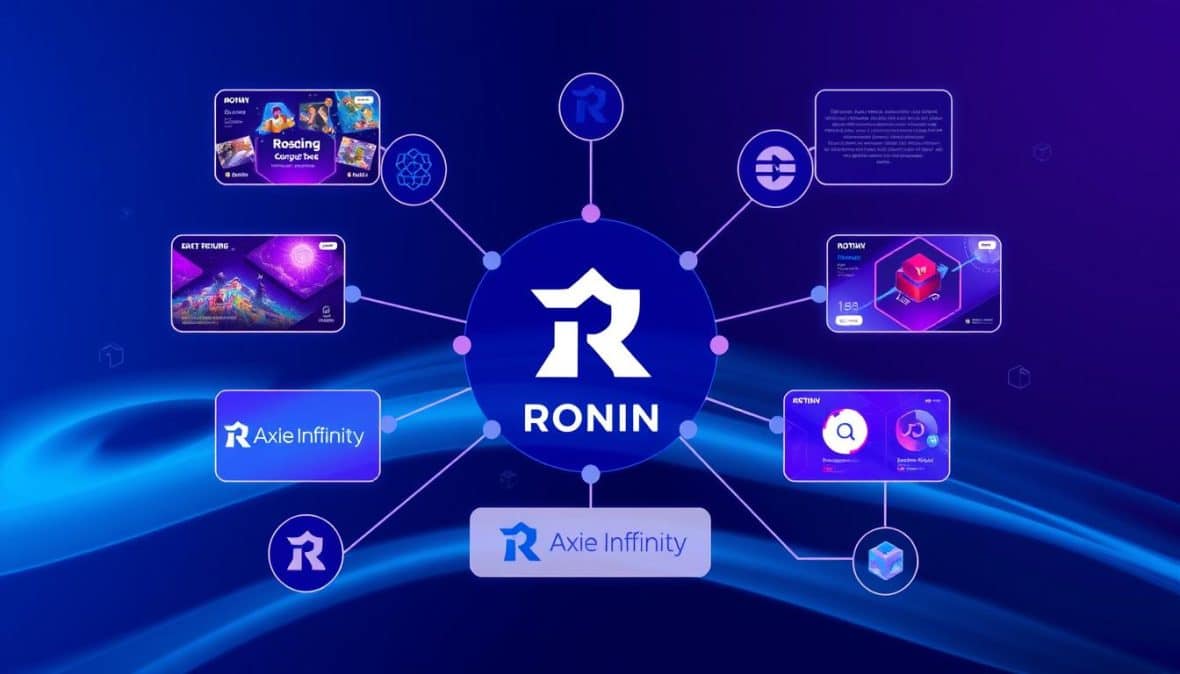
The integration of these diverse gaming experiences creates a interconnected ecosystem where value flows freely between applications. Whether players are engaging in tactical battles in Grand Arena or building virtual worlds in Pixels, the underlying Ethereum L2 provides a secure and efficient environment. This unified infrastructure supports a sustainable growth model for both developers and users, ensuring the network's relevance in a competitive market.
RON token price prediction 2026
The Ronin Network completed its migration from an independent sidechain to a full Ethereum Layer 2 on May 12, 2026. This structural shift fundamentally alters the token's utility and supply dynamics, moving it from a closed gaming ecosystem into the broader Ethereum liquidity pool. For investors, the price prediction for 2026 is not just a speculation on gaming adoption, but a calculation of how this L2 transition impacts RON's trading volume and institutional accessibility.
Current market forecasts for July 2026 suggest a consolidation phase. Analysts at Changelly project the maximum trading value of Ronin to reach approximately $1.24, with a floor potential dropping to $1.04. These targets reflect a cautious optimism; the migration reduces centralization risks, but the immediate post-launch period often sees volatility as liquidity providers adjust to the new Ethereum-based architecture. The price action will likely depend on whether the increased security and cross-chain interoperability drive sufficient new user acquisition to offset the selling pressure from early sidechain holders.
To track these movements in real time, the live chart below displays the RON/USDT pair. This view highlights the key support and resistance levels that have formed since the hard fork. Traders should watch for sustained volume spikes above the current consolidation range, which would signal institutional confidence in the L2 model. Conversely, a break below the $1.04 support level could indicate a broader market correction affecting the entire gaming sector.
While long-term models for 2027 and beyond remain speculative, the immediate 2026 outlook is defined by this migration event. The transition to Ethereum provides a more robust security baseline, but it also exposes RON to Ethereum's gas fee fluctuations and competitive Layer 2 landscape. The price prediction for 2026 hinges on Ronin's ability to maintain its gaming dominance while adapting to the economic realities of the Ethereum network.
Ronin network 2026 vs other gaming chains
The migration to an Ethereum Layer 2 on May 12, 2026, fundamentally shifts Ronin’s competitive positioning. By anchoring its security to Ethereum’s consensus layer, Ronin moves away from the independent sidechain model that previously isolated it from broader DeFi liquidity and security guarantees. This structural change places it in direct conversation with other major gaming-focused chains like Immutable X and Polygon zkEVM, but with a distinct advantage: an established, active user base and a proven track record of handling high-throughput gaming transactions.
While Immutable X offers zero-knowledge rollup technology with a focus on NFT marketplaces, and Polygon zkEVM provides a general-purpose EVM-compatible environment for diverse dApps, Ronin’s 2026 iteration combines L2 security with specialized gaming infrastructure. The table below compares the core technical and ecosystem metrics that matter to developers and investors in the current landscape.
| Chain | Security Model | Avg. Tx Cost | Key Titles |
|---|---|---|---|
| Ronin (L2) | Ethereum L2 | <$0.01 | Axie Infinity, Phantom Galaxies |
| Immutable X | zk-Rollup | $0.00 | Gods Unchained, Illuvium |
| Polygon zkEVM | zk-Rollup | <$0.01 | Aavegotchi, Decentraland |
Ronin’s unique value proposition lies in this combination. It is not starting from zero with a new security model; it is upgrading its foundation while retaining its operational efficiency. Competitors often struggle to bridge the gap between high security and low latency, whereas Ronin’s migration aims to solve this by leveraging Ethereum’s maturity. For gamers, this means faster transactions without sacrificing the trustless guarantees that blockchain users demand. The result is a more resilient ecosystem that can attract institutional capital and mainstream players alike, setting a new standard for what a gaming chain should be in 2026.
Ronin Network 2026: Migration and Price FAQ
The transition from an independent sidechain to an Ethereum Layer 2 (L2) marks the most significant technical shift in Ronin’s history. This section addresses the most common questions regarding the May 2026 migration, network ownership, and the long-term outlook for the RON token.
Is Ronin under Ethereum?
Yes. As of May 12, 2026, Ronin completed its migration from a standalone sidechain to an Ethereum Layer 2. This hard fork transition aligns the network with Ethereum’s security model and scalability solutions. While Ronin remains specialized for gaming, it now operates as a rollup within the Ethereum ecosystem, leveraging ETH for settlement rather than its own independent consensus mechanism [[src-serp-3]][[src-serp-0]].
Who owns Ronin Network?
Ronin was created and is operated by Sky Mavis, the studio behind the hit game Axie Infinity. Launched in February 2021 to address the high fees and low throughput of Ethereum Layer 1, Sky Mavis maintains control over the network’s validator set and governance structure. The RON token serves as the native utility for gas fees and staking within this ecosystem [[src-serp-4]][[src-serp-2]].
What is the future of Ronin Coin?
Long-term price forecasts for RON vary significantly based on adoption metrics and broader crypto market cycles. Analyst projections suggest a conservative trajectory, with some models estimating prices around $0.10 by 2036 and potentially $0.20 by 2051 [[src-serp-1]]. These predictions rely heavily on the successful integration of Ronin L2 and sustained gaming volume.
Helpful gear
Use these product recommendations as a starting point, then choose the size, material, and price point that fit how you actually use the gear.
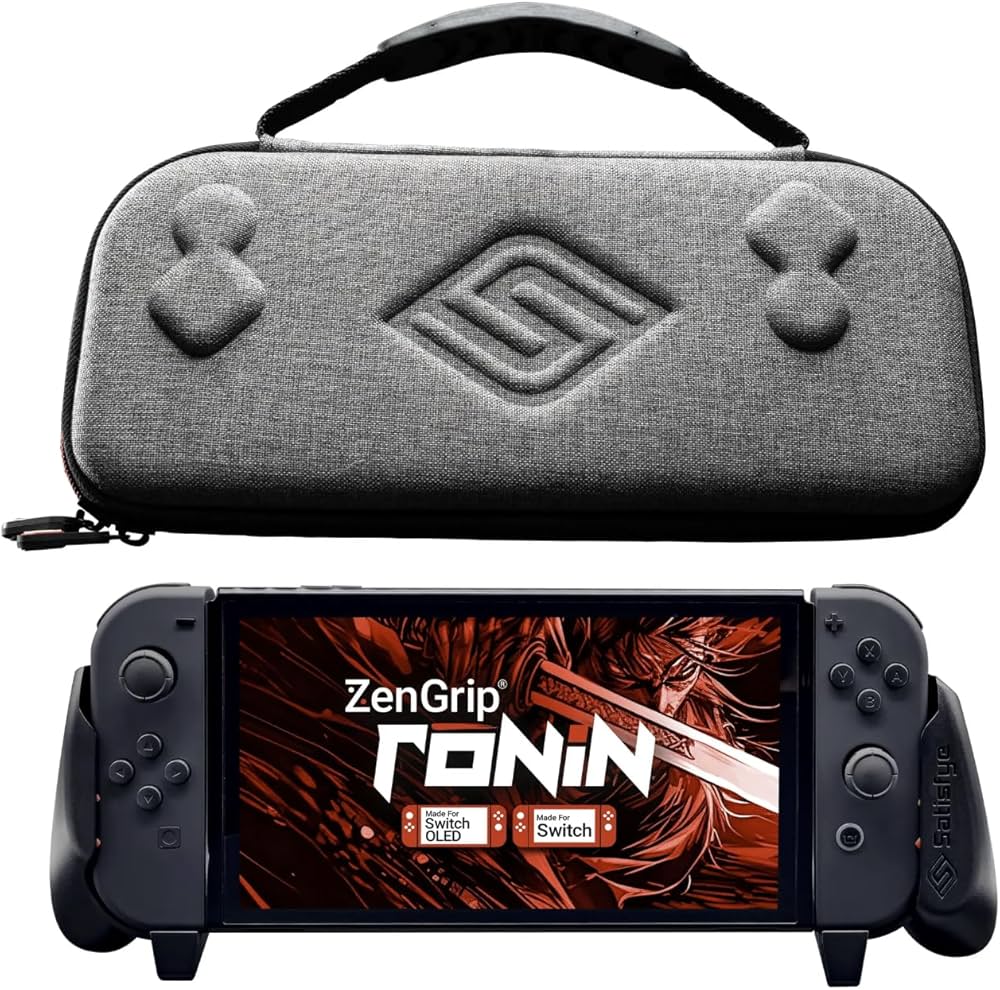
As an Amazon Associate, we may earn from qualifying purchases.
No comments yet. Be the first to share your thoughts!