Get Ronin Network 2026 right
Before you connect a wallet or mint a token, you need to verify your setup. Ronin is an EVM-based blockchain purpose-built for gaming, created by Sky Mavis, the team behind Axie Infinity. It powers the vibrant Axie Infinity ecosystem and has processed over $4 billion in NFT volumes. Because it is a specialized network, standard Ethereum wallets won’t work out of the box.
1. Install the Ronin Wallet
You need the official Ronin Wallet extension or mobile app. Do not use a generic MetaMask profile for daily gaming transactions on Ronin; the network requires specific RPC settings that the dedicated wallet handles automatically. The Ronin Wallet supports both browser and mobile platforms, making it easier to manage assets across devices.
2. Fund Your Wallet with RON
Ronin uses RON for all gas fees and in-game purchases. You cannot pay for transactions with Ethereum or USDC directly on-chain. Transfer RON from a centralized exchange like Binance or Coinbase to your Ronin Wallet address. Ensure you send the tokens via the Ronin network to avoid loss. If you are moving assets from Ethereum, use the official Ronin Bridge.
3. Verify Network Connectivity
Once funded, open your wallet and confirm you are on the Ronin Mainnet. Check your balance to ensure RON has arrived. If the balance is zero, you may have sent to the wrong network or address. You can verify your transaction on the Ronin Explorer to confirm block inclusion.
4. Understand the Risks
Before investing or playing, remember that volatility is high. The price of Ronin can fluctuate significantly, meaning its value can rise and fall quickly. There is no guaranteed profit from previous price increases. Sky Mavis owns the network, but governance features like voting on treasury decisions are rolling out in Q3 2026, so current controls are centralized.
Work through the steps
The Ronin protocol upgrades are live, but connecting your wallet to the network requires careful setup. Unlike standard EVM chains, Ronin uses a sidechain architecture that demands specific network configurations to avoid failed transactions or lost assets. Follow this sequence to bridge your assets and verify your connection.
Open your wallet application and select the option to add a new custom network. Enter the official Ronin RPC details found on the Ronin Network homepage. Copy the Chain ID, RPC URL, and symbol exactly as listed. Incorrect values will prevent your wallet from syncing with the blockchain.
Navigate to the Ronin Bridge interface. Connect your mainnet wallet and select the asset you wish to move. Initiate the bridge transaction on Ethereum, then wait for the confirmation. Once processed, switch your wallet to the Ronin network to view your deposited funds. Always double-check the destination network before confirming.
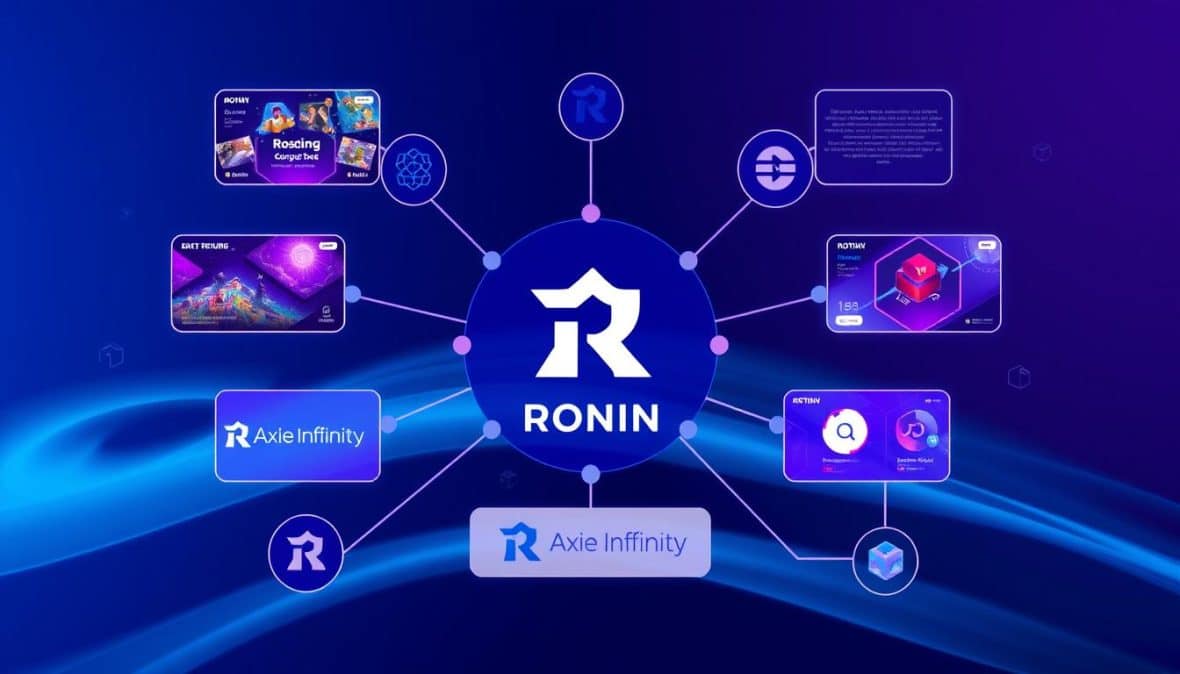
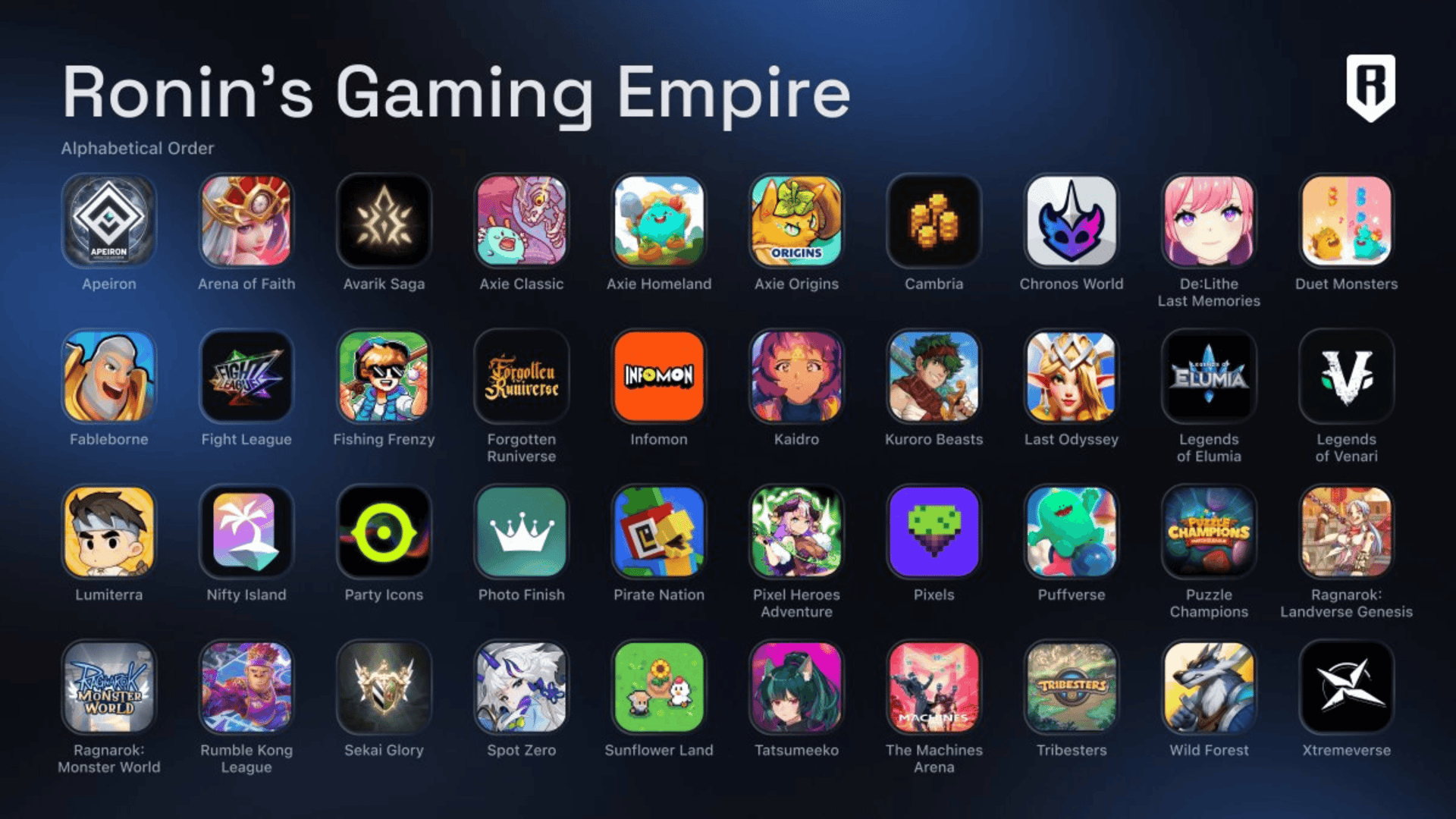
Visit a Ronin-based dApp, such as Axie Infinity or a new 2026 title. Click "Connect Wallet" and select your Ronin-enabled wallet. Ensure the network indicator shows "Ronin" and not "Ethereum." A mismatch here will cause transaction failures. Check your balance to confirm the bridged assets are visible.
Before committing large funds, send a minimal amount of RON or a low-value NFT to a personal address on the Ronin chain. This confirms your gas fees are correct and your wallet is fully synchronized with the upgraded protocol. If the transaction fails, check your gas balance and network settings again.
Common mistakes to avoid on Ronin
Even with Ronin’s recent protocol upgrades, the barrier to entry remains high for users unfamiliar with Web3 mechanics. The most frequent failures stem from ignoring network-specific requirements rather than technical incompetence. By understanding the common pitfalls, you can protect your assets and ensure smooth transactions.
Neglecting the native gas token Ronin is an EVM-based chain, but it does not accept Ethereum (ETH) for gas fees. A common error is attempting to pay for transactions with ETH or bridging assets without converting them to RON. Always ensure your wallet holds enough RON to cover transaction costs. If your RON balance is zero, your transaction will fail regardless of your NFT or token holdings.
Skipping the official bridge verification
The Ronin bridge is the primary gateway for moving assets between Ethereum and Ronin. Users often fall victim to phishing sites that mimic the official bridge interface. Before initiating any bridge transaction, verify you are on roninchain.com. Do not click links from social media DMs or unofficial forums. The official bridge is the only secure method to transfer assets without losing them to smart contract exploits.
Ignoring the validator node configuration For those running nodes or interacting with high-frequency dApps, misconfiguring the endpoint URL is a critical mistake. Ronin uses specific RPC endpoints that differ from standard Ethereum nodes. Using a generic Ethereum RPC will result in connection timeouts or incorrect data retrieval. Always consult the official documentation for the correct RPC URLs and chain IDs to ensure your software connects to the live network.
Overlooking governance participation With the governance dashboard launching in Q3 2026, many users are unaware that RON holders can vote on treasury decisions. Failing to stake or delegate your RON means you forfeit your voice in the network’s future. If you are a long-term holder, check the governance portal regularly to ensure your votes are counted on protocol upgrades and fee structures.
Ronin network 2026: what to check next
Before committing funds or time to the Ronin ecosystem in 2026, it helps to separate the underlying blockchain infrastructure from the volatile token markets. The network is undergoing significant structural changes, including a migration to an Ethereum Layer 2, which alters how you interact with assets and games.
No comments yet. Be the first to share your thoughts!