
The EU AI Act enters full force
The regulatory landscape for artificial intelligence shifted decisively in 2026 as the European Union’s AI Act entered full enforcement. This legislation marks the first time a major jurisdiction has implemented a comprehensive, risk-based regulatory framework for AI systems. It moves beyond voluntary guidelines to establish binding legal obligations for developers and deployers of AI technologies.
For businesses operating in or selling to the EU market, compliance is no longer optional. The Act categorizes AI systems into four risk levels: unacceptable, high, limited, and minimal. Systems deemed to pose an unacceptable risk, such as social scoring by governments or real-time remote biometric identification in public spaces, are banned outright. High-risk systems, including those used in critical infrastructure, education, and employment, face strict requirements for data governance, transparency, and human oversight.
This legal baseline defines the core of AI ethics 2026. While other regions continue to develop patchwork regulations, the EU’s approach provides a clear, unified standard that many global companies are adopting as their default compliance baseline. The Act’s emphasis on fundamental rights and human-centric design sets a precedent that influences ethical discussions and regulatory developments worldwide.
The enforcement of the Act signals a new era where ethical considerations are codified into law. Organizations must now integrate compliance into their AI development lifecycles, from data collection to model deployment. This shift underscores the growing importance of ethical AI practices not just as a moral imperative, but as a legal requirement.
Source: University of Virginia Darden School of Business, "Ethics Is the Defining Issue for the Future of AI. And Time Is Running Short," January 2026.
Comparing compliance models
As the EU AI Act enters full effect in 2026, organizations must navigate a fragmented global landscape. While the European Union establishes the first comprehensive regulatory regime, other jurisdictions rely on voluntary frameworks or emerging standards. Understanding these distinct approaches is essential for effective AI ethics 2026 strategy.
The following table outlines the primary differences between mandatory regulation, voluntary guidelines, and international standards. This comparison highlights enforcement mechanisms, geographic scope, and flexibility to help teams determine which model aligns with their operational needs.
| Model | Enforcement | Geographic Scope | Flexibility |
|---|---|---|---|
| EU AI Act | Mandatory fines & penalties | European Union | Low (risk-based tiers) |
| NIST AI RMF | Voluntary self-assessment | United States (Global influence) | High (framework-based) |
| ISO/IEC 42001 | Third-party certification | International | Medium (audit-driven) |
| OECD Principles | Peer review & policy alignment | OECD Member States | High (principle-based) |
The EU’s mandatory framework sets a high bar for compliance, particularly for high-risk systems. In contrast, the NIST AI Risk Management Framework offers a flexible, non-prescriptive approach that many US companies adopt as a baseline. Meanwhile, ISO standards provide a globally recognized certification path for organizations seeking international credibility.
Choosing the right model depends on your market presence and risk tolerance. Companies operating in Europe must prioritize EU compliance, while those in the US may start with NIST guidelines before adopting stricter international standards. This layered approach ensures robust AI ethics 2026 practices regardless of jurisdiction.
Human-centric design as compliance
Human-centric design is no longer a UX preference; it is a regulatory requirement under the EU AI Act. As the Act comes fully into force in 2026, developers must embed human oversight and fairness directly into system architecture. This shift marks the core of AI ethics 2026, moving compliance from a post-launch audit to a foundational design principle.
The regulation mandates that high-risk AI systems support human agency and decision-making. Technical specifications require clear interfaces for human operators to intervene, correct, or halt automated processes. Without these controls, systems fail to meet the Act's transparency and accountability standards, regardless of their performance accuracy.

Integrating these requirements early prevents costly redesigns. Teams must document how human oversight is technically implemented, from interface design to error-handling protocols. This documentation becomes part of the conformity assessment, proving that the system respects human judgment as a primary safeguard.
Checklist for Human-Centric Compliance
- Human Oversight Mechanisms: Define clear points where humans can intervene or override automated decisions.
- Transparency Interfaces: Design user-facing explanations that are understandable and actionable for non-experts.
- Bias Mitigation: Implement testing protocols to detect and correct discriminatory outcomes before deployment.
- Documentation: Maintain detailed records of design choices, risk assessments, and human-in-the-loop workflows.
Key dates and global conferences
The regulatory landscape for AI ethics 2026 is defined by a convergence of hard legal deadlines and major industry gatherings. As the EU AI Act moves from text to enforcement, the year serves as a critical checkpoint for compliance and ethical alignment across jurisdictions.
The European Union’s AI Act becomes fully operational in January 2026, marking the first comprehensive regulatory regime of its kind globally. This milestone shifts AI governance from voluntary guidelines to mandatory compliance, setting a precedent that influences regulatory discourse in other regions.
Michigan State University hosts its second annual AI Summit on May 5, 2026. This event brings together academics and industry leaders to discuss practical frameworks for ethical AI development, focusing on the intersection of technology and societal impact.
On June 18–19, the United Nations convenes the Global Conference on AI, Security and Ethics at the Palais des Nations in Geneva. This in-person and hybrid event addresses international cooperation on AI safety, providing a platform for global policy coordination.
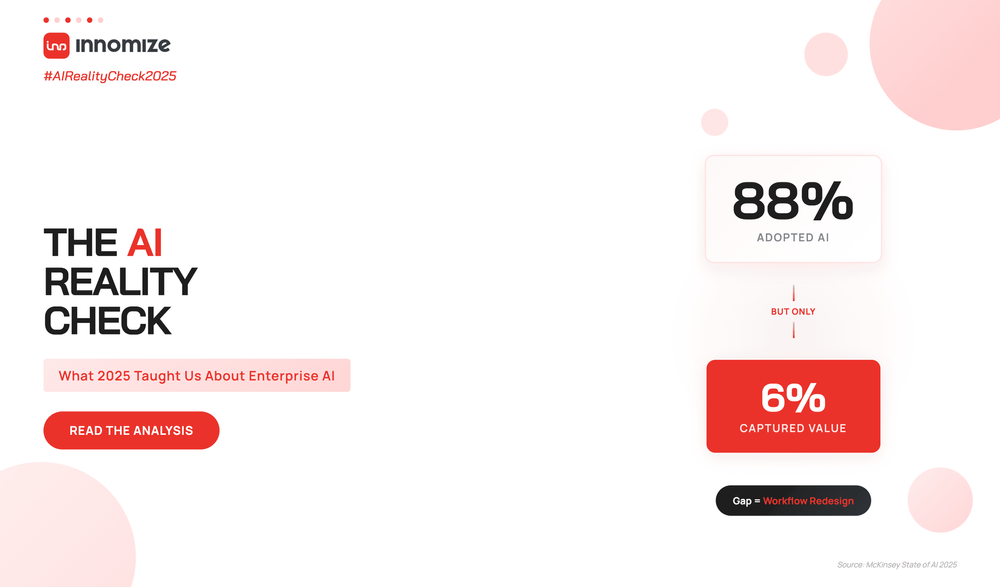
The Ninth AAAI/ACM Conference on AI, Ethics, and Society (AIES) takes place October 12–14 in Malmö, Sweden. As a premier academic venue, AIES 2026 features peer-reviewed research on the social implications of AI, shaping the theoretical foundations of future ethics standards.
These dates represent the core nodes of the 2026 AI ethics calendar. Organizations should align their internal compliance reviews with the EU AI Act timeline while monitoring the outcomes of these major conferences for emerging best practices.
Common questions on AI ethics
As the EU AI Act fully takes effect in 2026, organizations are navigating a complex regulatory landscape that prioritizes human-centric design. The following questions address the most pressing concerns regarding compliance, risk classification, and ethical implementation in the current year.
No comments yet. Be the first to share your thoughts!