
Ronin network 2026 limits to account for
Ronin’s 2026 constraint centers on a fundamental architectural shift. On May 12, 2026, the network hard-forked from an independent sidechain to an Ethereum Layer 2 using the OP Stack. This migration was not merely a technical upgrade; it was a structural repositioning to align with Ethereum’s security and liquidity layers.
The transition included a tokenomics overhaul designed to address inflationary pressures. Annual RON emissions were significantly reduced to stabilize the ecosystem’s economic model. For developers and players, this means the network now inherits Ethereum’s finality while maintaining the low fees necessary for high-frequency gaming transactions.
This constraint defines the current investment and development landscape. Ronin is no longer an isolated silo but an integrated part of the broader Ethereum ecosystem. The primary challenge now is maintaining user adoption while navigating the complexities of Layer 2 scaling solutions. The network’s success in 2026 depends on whether this security upgrade translates into sustained game engagement and token utility.
Ronin network 2026 choices that change the plan
Ronin’s transition to an Ethereum Layer 2 via the OP Stack in May 2026 marked a fundamental shift from its independent sidechain roots. This migration was designed to retain the scalability that gaming requires while inheriting Ethereum’s security guarantees. However, this structural change introduces specific tradeoffs that developers and investors must evaluate carefully.
The move prioritizes security and interoperability over absolute sovereignty. By anchoring to Ethereum, Ronin gains access to a deeper liquidity pool and a more robust developer ecosystem. Yet, this comes with the inherent latency and cost structures of the underlying Layer 1, which can impact the user experience for high-frequency gaming transactions.
Liquidity and Ecosystem Depth
Pros: Direct access to Ethereum’s vast DeFi and NFT markets. Easier cross-chain bridging for assets. Cons: Potential congestion during high-volume Ethereum network activity. Higher base gas fees compared to the old sidechain model.
Transaction Speed and Cost
Pros: Optimistic rollup technology allows for faster finality than Ethereum L1. Lower fees than mainnet interactions. Cons: Not as fast or cheap as the previous independent sidechain. Batch processing delays can affect real-time gaming responsiveness.
Security Model
Pros: Inherits Ethereum’s battle-tested consensus mechanism. Reduced risk of independent validator attacks. Cons: Reliance on Ethereum’s fault-detection mechanisms. Potential exposure to Ethereum-level protocol bugs.
Developer Experience
Pros: Compatibility with standard Ethereum tooling (Hardhat, Foundry). Larger talent pool familiar with Solidity and OP Stack. Cons: Migration costs for existing game contracts. Need to adapt to L2-specific withdrawal and bridging mechanics.
| Factor | Benefit | Tradeoff |
|---|---|---|
| Security | Ethereum L1 inheritance | Shared security model |
| Liquidity | Deep Ethereum markets | Higher base costs |
| Speed | Faster than L1 | Slower than old sidechain |
| Dev Tools | Standard Ethereum stack | Migration overhead |
The 2026 roadmap suggests that while Ronin sacrifices some of its unique sovereignty, it gains the scalability and trust necessary for mass adoption. The tradeoff is clear: enhanced security and liquidity at the cost of some operational independence and speed. For gamers and developers, the priority remains a seamless experience, which the L2 model aims to balance against the robustness of the Ethereum network.
How to evaluate Ronin Network for 2026
The May 2026 migration to an Ethereum Layer 2 using the OP Stack fundamentally altered the risk and utility profile of the Ronin ecosystem. For investors and developers, the decision to engage with RON now requires a shift from sidechain speculation to Layer 2 fundamentals. The following framework isolates the critical variables for this transition.
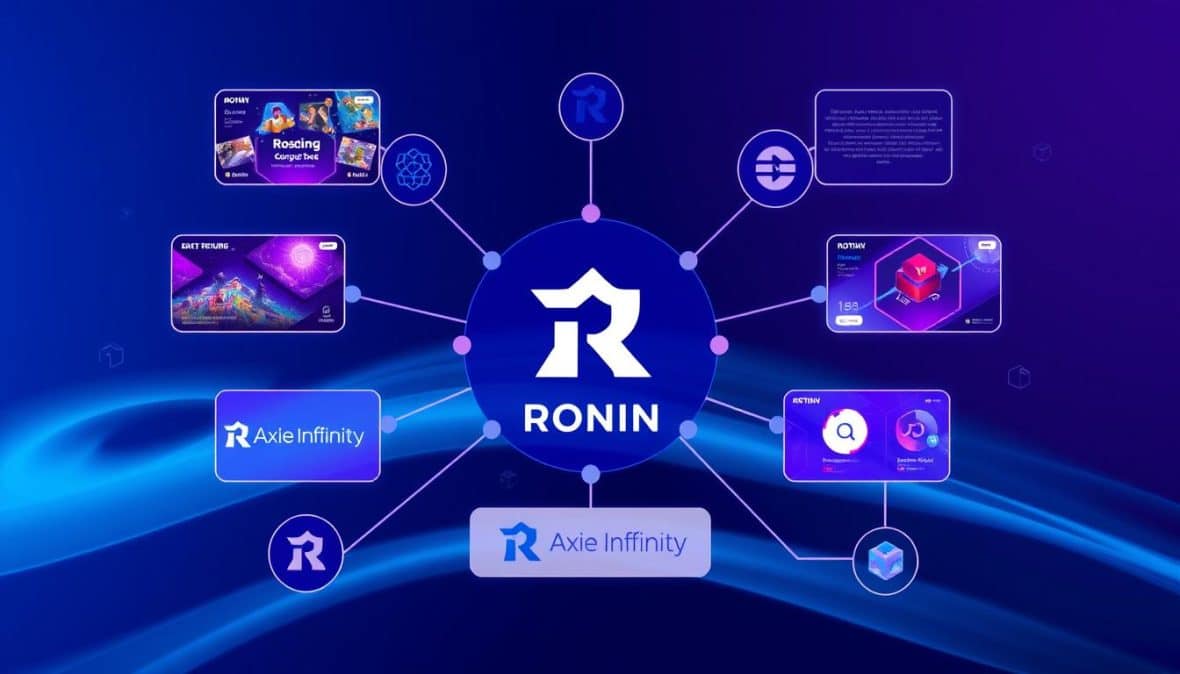
Ronin completed its hard fork on May 12, 2026, moving from an independent sidechain to Ethereum. This transition provides access to Ethereum’s security model while maintaining low transaction costs. Confirm that your wallet or dApp supports the new L2 network before executing any transactions, as the chain ID and RPC endpoints have changed.
The migration included a hard cap on supply and a reduction in annual RON emissions. This deflationary pressure is designed to counter the inflationary sell pressure from game rewards. Evaluate whether the reduced supply aligns with current gaming revenue; if activity drops, the scarcity may not be enough to sustain price appreciation.
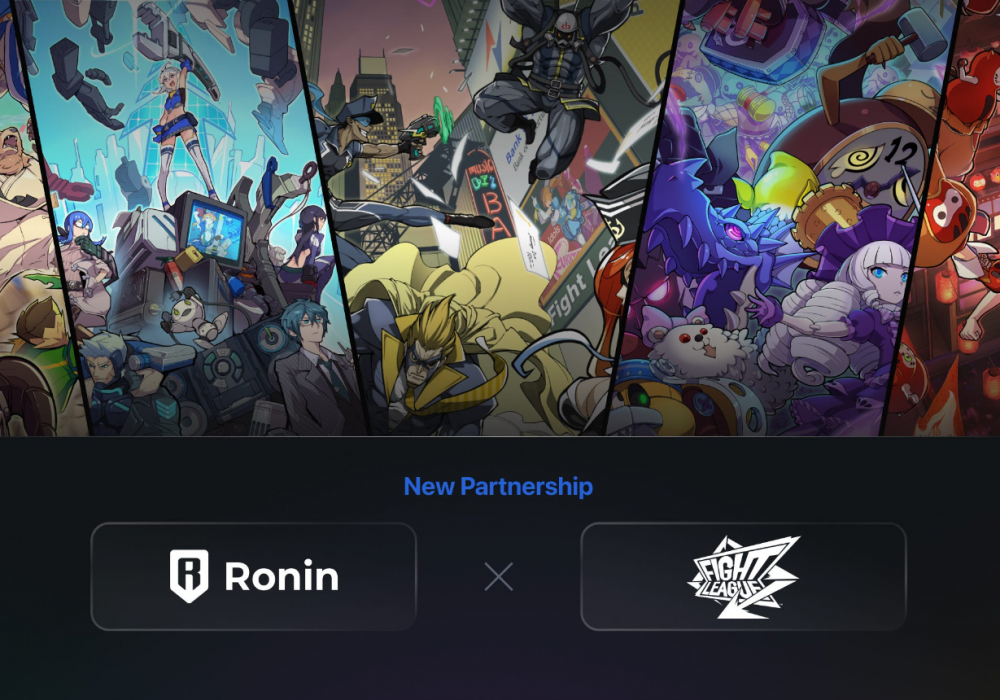
Axie Infinity remains the primary driver of network traffic. Look for updates on Sky Mavis’s upcoming titles, such as Ronin Wars, which are expected to diversify revenue streams. A healthy ecosystem requires more than one hit game; watch for developer grants and third-party projects deploying on the new L2.

While L2s are cheaper than Ethereum mainnet, bridge withdrawals to L1 can still experience congestion. Monitor the liquidity depth on official bridges like the Ronin Bridge. Low liquidity can lead to high slippage or delayed withdrawals, which is a significant risk for large holders or studios moving funds.

Ronin competes with gaming-focused chains like Immutable and Base. Compare Ronin’s daily active users (DAU) and total value locked (TVL) against these competitors. The network’s success depends on its ability to retain users who might otherwise migrate to chains with lower gas fees or larger ecosystems.
KeyTakeaways items=["Ronin is now an Ethereum Layer 2 with a capped supply.", "Axie Infinity remains the primary revenue driver.", "Monitor bridge liquidity for withdrawal risks."]
Common Mistakes in the 2026 Ronin Transition
Ronin’s shift to an Ethereum Layer 2 on May 12, 2026, marked a pivotal moment for the ecosystem. While the migration aimed to boost security and scalability, it also introduced new complexities for users and developers. Understanding these changes is crucial to navigating the post-transition landscape effectively.
Overlooking the Hard Fork Date
The hard fork on May 12, 2026, was a critical event that many users missed. This date marked the official transition from an independent sidechain to an Ethereum Layer 2. Missing this window could result in lost assets or access issues for those not prepared for the change.
Ignoring Tokenomics Changes
Alongside the technical migration, Ronin implemented a significant tokenomics overhaul. The annual supply of RON tokens was cut, impacting inflation and potentially affecting token value. Users and investors need to stay informed about these changes to make informed decisions.
Underestimating Security Risks
While moving to Ethereum Layer 2 enhances security, it also introduces new risks. Smart contract vulnerabilities and bridge security are paramount concerns. Users must be vigilant about the security measures in place and avoid falling for common scams or phishing attempts.
Neglecting Developer Documentation
For developers, the transition to an Ethereum Layer 2 means adapting to new tools and standards. Failing to review the updated documentation can lead to inefficiencies and compatibility issues. Staying current with the latest guidelines ensures smoother integration and deployment of applications.
Assuming Static Performance Metrics
Performance metrics post-migration may differ significantly from pre-transition levels. Assuming static performance can lead to inaccurate expectations. Regularly monitoring network performance and user feedback helps in adjusting strategies accordingly.
Ronin network 2026: what to check next
As Ronin transitions to an Ethereum Layer 2, users face practical questions about governance, assets, and risks. Here are the answers to the most common inquiries.
What is Ronin Network?
Ronin is a Layer 2 blockchain built on Ethereum’s OP Stack, designed specifically for gaming and digital ownership. It migrated from its independent sidechain in May 2026 to inherit Ethereum’s security while maintaining the high throughput required for on-chain games. This structure allows for faster transactions and lower fees compared to the mainnet, while still benefiting from Ethereum’s robust validator network.
Who owns Ronin Network?
Ronin is operated by Sky Mavis, the studio behind Axie Infinity. The network is governed by the Ronin Validator Network, a decentralized group of validators that secure the chain. While Sky Mavis developed the infrastructure, the transition to an Ethereum L2 has shifted more control toward the broader validator community, reducing centralization risks associated with its earlier sidechain era.
What is the upcoming Ronin game?
While Axie Infinity remains the flagship title, Sky Mavis is actively developing a new AAA RPG titled Project: Playtime. This game leverages Ronin’s L2 capabilities to support complex, high-fidelity graphics and seamless in-game economies. It represents the next phase of the ecosystem’s expansion beyond casual gaming, aiming to attract a broader audience of mainstream players.
What are the risks of investing in RON?
Investing in RON carries significant volatility, particularly following the complex migration to an Ethereum Layer 2. Key risks include regulatory uncertainty surrounding gaming tokens, competition from other gaming-focused L2s, and the potential for smart contract vulnerabilities during the transition period. Additionally, tokenomics changes, such as the recent overhaul of annual supply, may impact short-term price stability.
No comments yet. Be the first to share your thoughts!