
Ronin Network 2026: The Waypoint Migration
The Ronin network is currently undergoing a structural shift that will define its trajectory through 2026. The central event is the Waypoint Migration, a critical infrastructure update designed to improve scalability and security. Ronin has extended the deadline for this migration to September 30, 2026, giving developers and users a clear window to adapt before the transition completes.
This migration is not merely an upgrade; it is a fundamental reconfiguration of the network’s backbone. For gaming studios and DeFi protocols, the timing of this shift determines operational continuity. Users must ensure their wallets and smart contracts are compatible with the new architecture before the deadline to avoid service interruptions.
While the migration progresses, the economic landscape remains active. The RON token continues to serve as the primary utility for gas fees and staking rewards. Market participants should monitor on-chain activity closely, as network congestion during the migration period may temporarily impact transaction speeds.
Ronin network 2026 choices that change the plan
Ronin’s shift from a dedicated gaming sidechain to a modular AppChain hub introduces specific engineering and economic tradeoffs. For developers and users, the 2026 architecture prioritizes throughput and capital efficiency over the absolute decentralization of a base layer. This section breaks down the concrete factors you should evaluate before building or transacting on the network.
The core decision involves balancing the "Waypoint" migration timeline against immediate operational needs. Ronin has extended the migration deadline to September 30, 2026, allowing legacy infrastructure to coexist with newer, more efficient modules. While this provides stability, it also creates a dual-layer complexity that can confuse new users regarding gas fees and wallet compatibility. Understanding which module your game or dApp relies on is essential before committing resources.
| Factor | Benefit | Tradeoff | Mitigation |
|---|---|---|---|
| AppChain Modularity | High throughput for specific game logic | Fragmented liquidity across chains | Use cross-chain bridges with verified security audits |
| RON Token Utility | Gas payment and staking rewards | Price volatility impacts dev budgets | Hedge treasury exposure or use stablecoin gas alternatives |
| Waypoint Migration | Seamless infrastructure upgrade path | Temporary dual-layer complexity | Monitor official Ronin docs for module deprecation schedules |
| Validator Set | Faster finality for gaming transactions | Lower decentralization than L1s | Rely on Ronin’s established security record and bug bounties |
The market performance of RON reflects these structural shifts. As the network matures, its value proposition becomes less about speculative gaming hype and more about the tangible utility of its modular design. Investors and builders should monitor how effectively Ronin manages the transition to the new AppChain standard.
For a deeper understanding of the technical trajectory, review the current price action and volume trends. The chart below illustrates how RON has responded to recent network upgrades and migration announcements.
Choose the next step
The Ronin Ecosystem works best as a clear sequence: define the constraint, compare the realistic options, test the tradeoff, and choose the path with the fewest hidden costs. That order keeps the advice usable instead of decorative. After each step, pause long enough to check whether the recommendation still fits the reader's actual situation. If it depends on perfect timing, unusual access, or a best-case budget, include a simpler fallback.
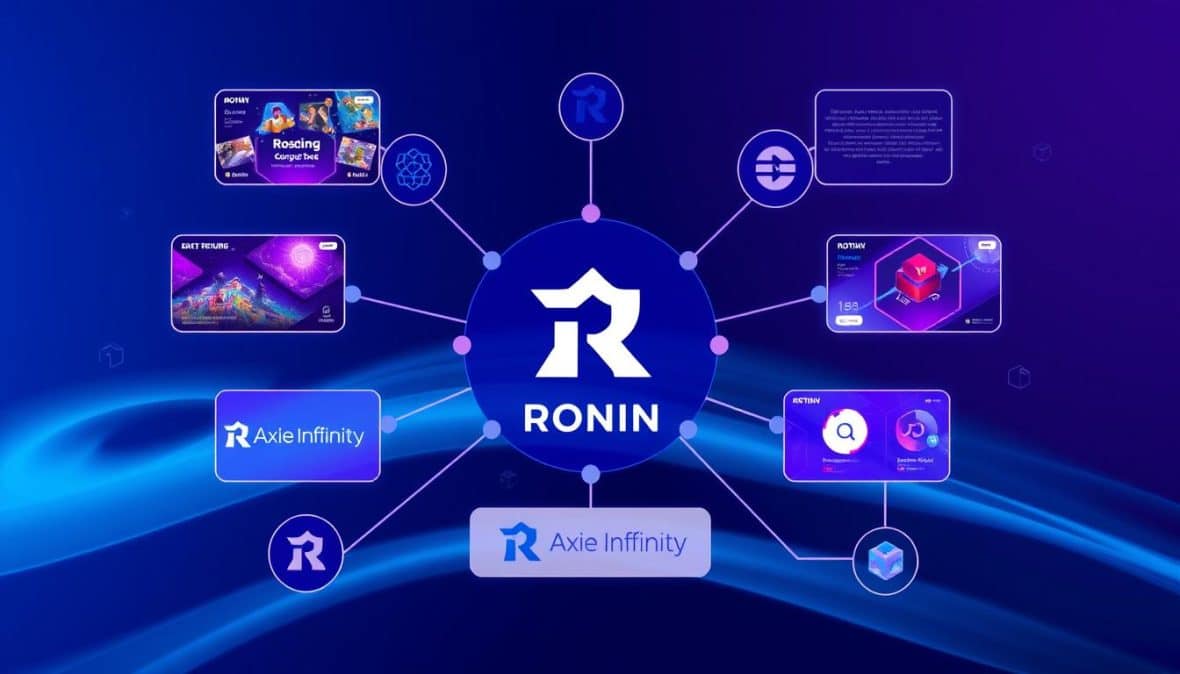
Spotting Weak Options in the Ronin Ecosystem
Ronin’s expansion into broader gaming finance (GamingFi) has attracted capital, but it has also introduced projects with thin fundamentals. Identifying misleading claims or weak options requires looking past marketing promises and examining technical readiness and token mechanics. The ecosystem is maturing, but investors and players must remain skeptical of projects that prioritize hype over utility.
The Waypoint Migration Risk
Ronin is currently undergoing the "Waypoint Migration," a critical infrastructure update that extends until September 30, 2026. This migration is not merely a software patch; it fundamentally alters how the network handles gas fees and token rewards. Projects that have not yet aligned their smart contracts with this new standard face immediate operational risks.
If a game or DeFi protocol on Ronin is still using legacy contract structures, it may fail to process transactions correctly or distribute rewards as promised. This is not a minor bug; it is a structural incompatibility that can render a project unusable. Always verify that a project’s documentation explicitly references the Waypoint Migration and shows evidence of updated codebases. Do not trust vague statements about "future compatibility."
Token Utility vs. Speculative Hype
Many new entrants in the Ronin ecosystem claim their tokens are "essential" for gameplay. However, a closer look often reveals that the token’s only real use is speculation. A weak option is a project where the token has no clear, immediate utility within the game’s economy. If you cannot earn or spend the token to gain a tangible advantage or access core features, the token is likely a speculative vehicle rather than a functional component of the ecosystem.
Ronin’s native RON token powers the network, paying for gas and securing the chain. New project tokens should complement this, not compete with it in a way that creates unnecessary friction. If a project requires you to hold a secondary token just to play, but that token offers no unique benefits over RON or traditional in-game currency, it is a red flag. The barrier to entry should be low, not a complex token swap.
Verifying Official Sources
In a high-stakes environment like GamingFi, misinformation spreads quickly. Always prioritize official sources. Ronin’s official documentation and announcements are the primary authority on network changes. If a project claims to be "Ronin-native" but cannot provide links to their audited smart contracts or official Ronin ecosystem listings, treat them with extreme caution.
The difference between a legitimate GamingFi project and a weak option often lies in transparency. Legitimate projects publish their code, their roadmap, and their team. Weak options rely on anonymous teams and vague promises. By focusing on concrete checks—migration readiness, token utility, and source verification—you can avoid the most common pitfalls in the Ronin ecosystem.
Ronin network 2026: what to check next
The Ronin ecosystem is undergoing its most significant structural shift since its launch. As the network prepares to move from an independent sidechain to an Ethereum Layer 2 solution, practical questions about asset safety, wallet compatibility, and token utility have surfaced. Understanding these mechanics is essential for holding RON or playing on-chain games.
No comments yet. Be the first to share your thoughts!