
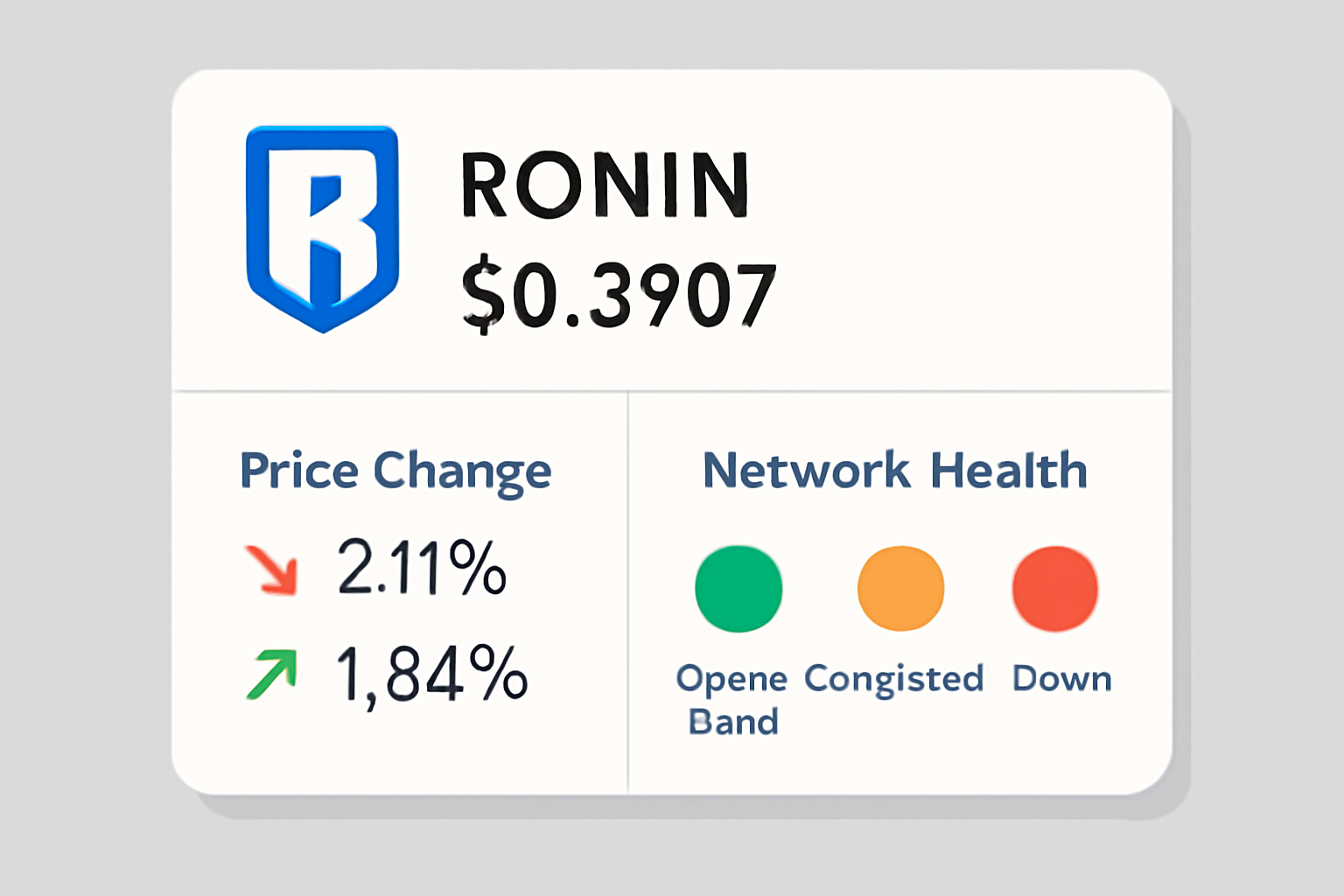
Ronin Network’s strategic transition from an Ethereum sidechain to a full-fledged Layer 2 (L2) solution is setting a new benchmark for blockchain scalability, especially in the high-demand gaming sector. By integrating Optimism’s OP Stack and EigenDA, Ronin aims to deliver an unprecedented 1 million transactions per second (TPS) with block times between 100 and 200 milliseconds. As of today, the Ronin (RON) token trades at $0.3907, reflecting growing market confidence in these technical advancements.
Architectural Overview: Ronin L2 OP Stack and EigenDA
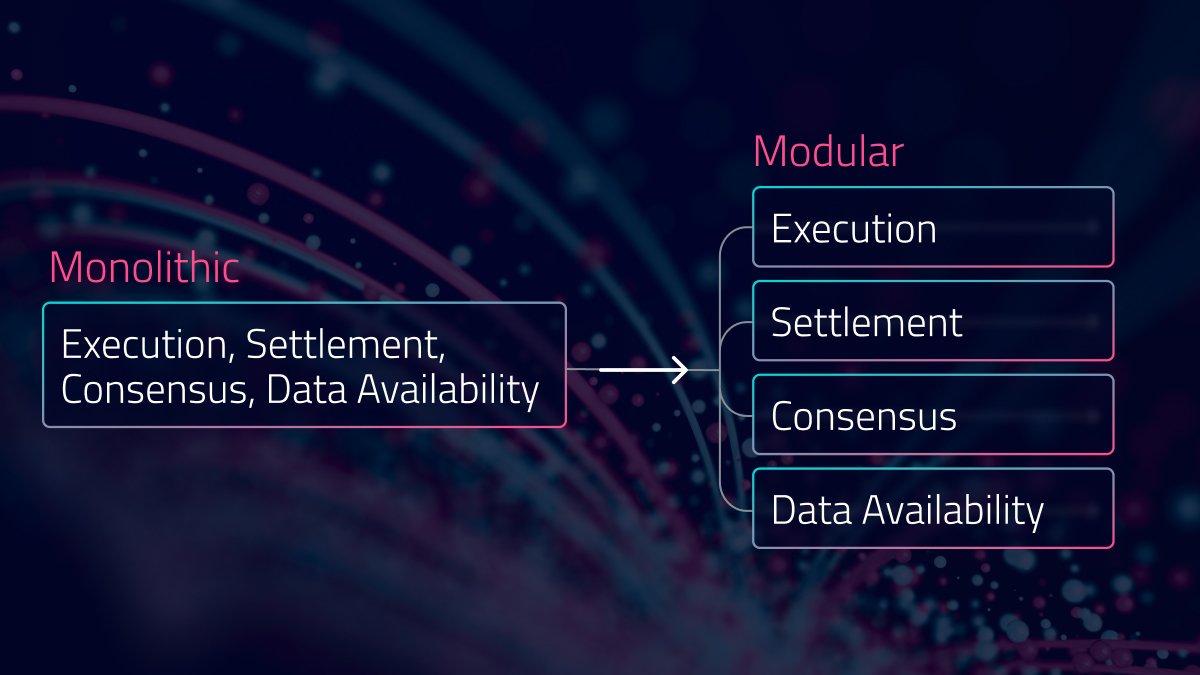
The backbone of this breakthrough is the Ronin L2 OP Stack: a modular, open-source framework that empowers developers to build high-throughput, low-latency applications while inheriting Ethereum’s security. The OP Stack is designed for flexibility, enabling customized rollups and seamless integration with data availability solutions such as EigenDA.
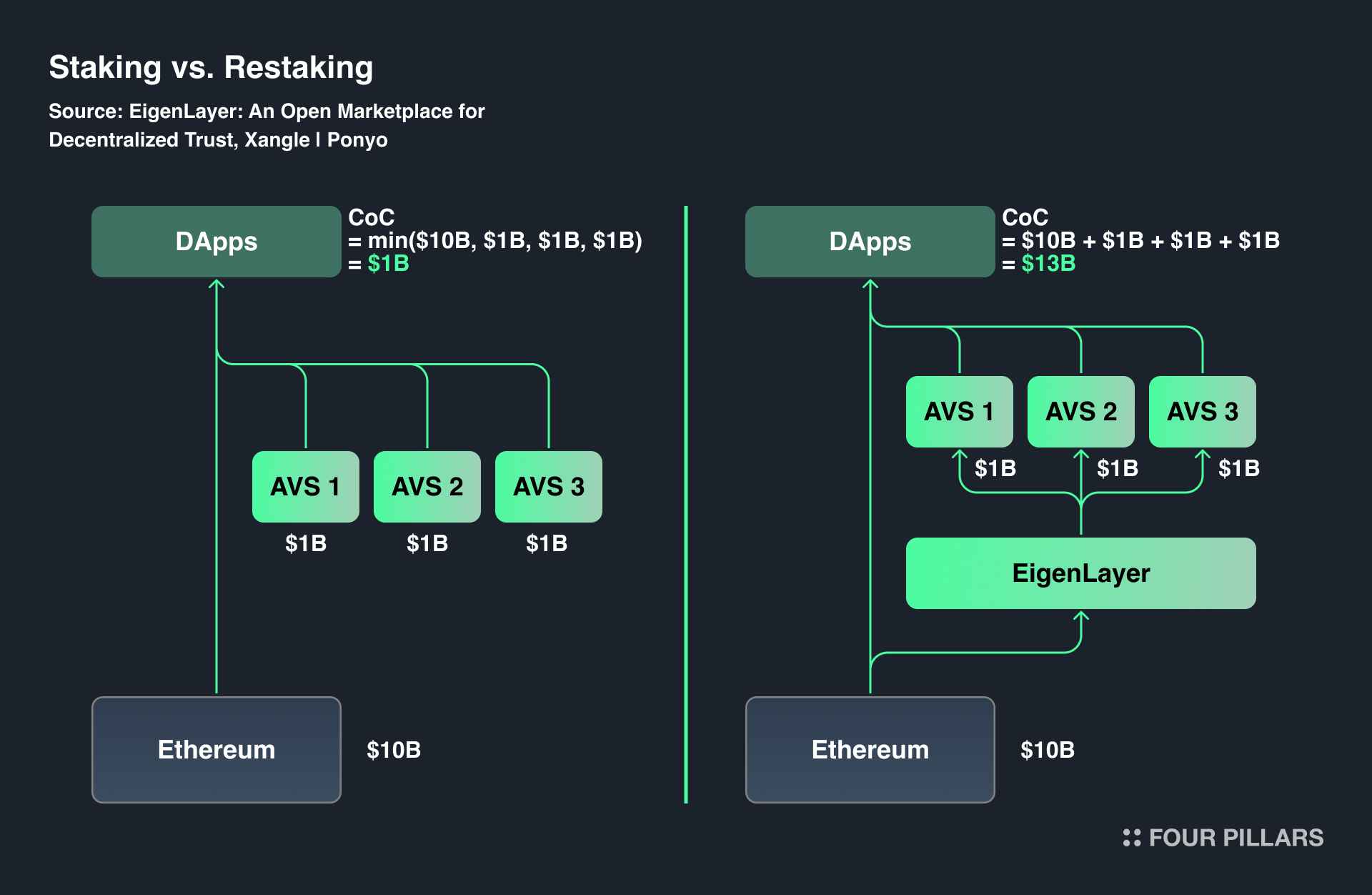
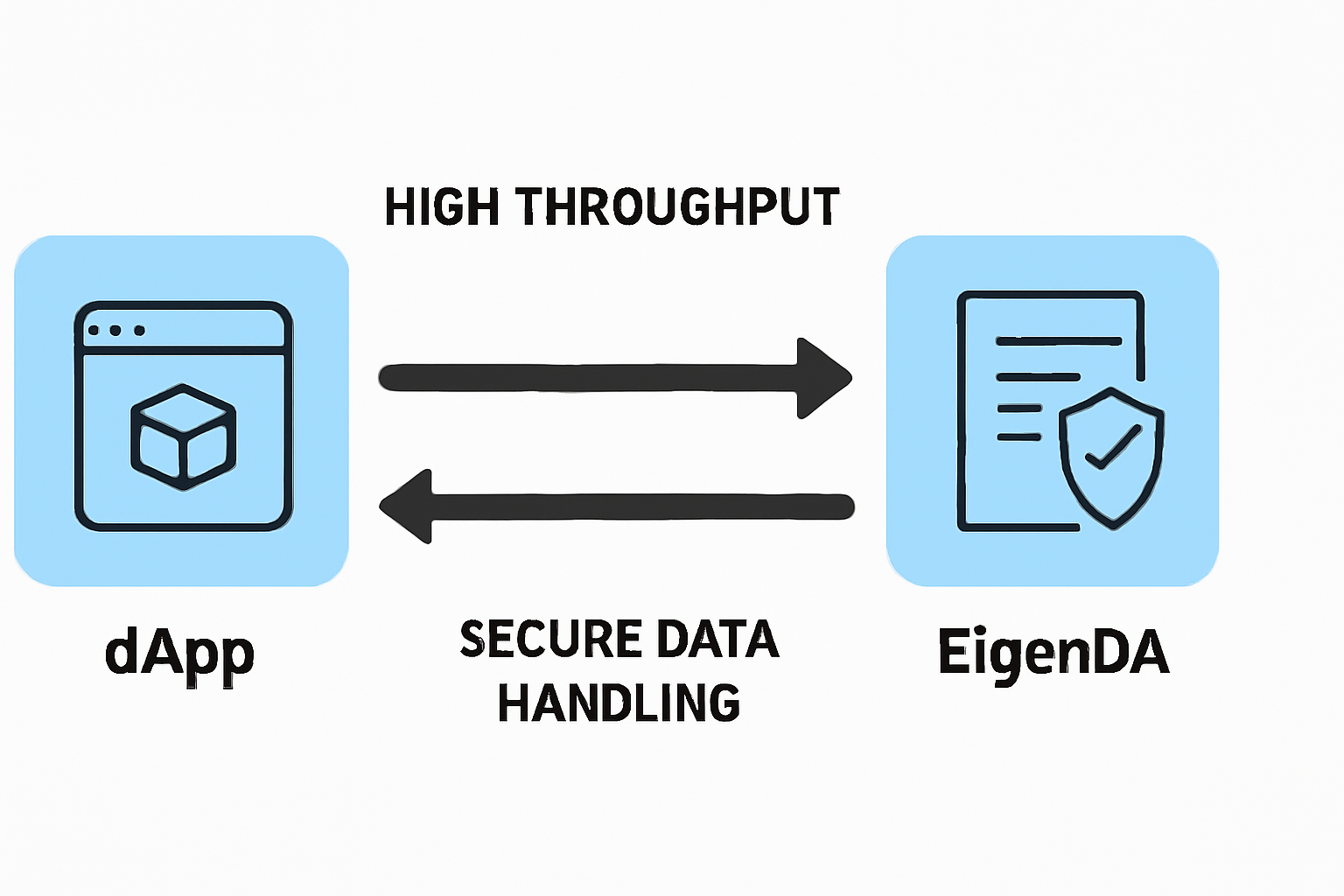
EigenDA is a decentralized data availability layer purpose-built for scaling. It efficiently manages and distributes transaction data, eliminating bottlenecks that have historically limited blockchain throughput. The synergy between OP Stack and EigenDA is what unlocks the 1M TPS milestone, making Ronin an ideal platform for mass-market gaming and DeFi applications.
Key Technical Innovations Powering 1M TPS Blockchain Performance
Several core innovations underpin Ronin’s leap to 1 million TPS:
Key Technical Features of Ronin's OP Stack and EigenDA
- Modular OP Stack Architecture: Ronin leverages the Optimism OP Stack, a modular, open-source framework enabling developers to build customized Layer 2 solutions with high flexibility and composability.
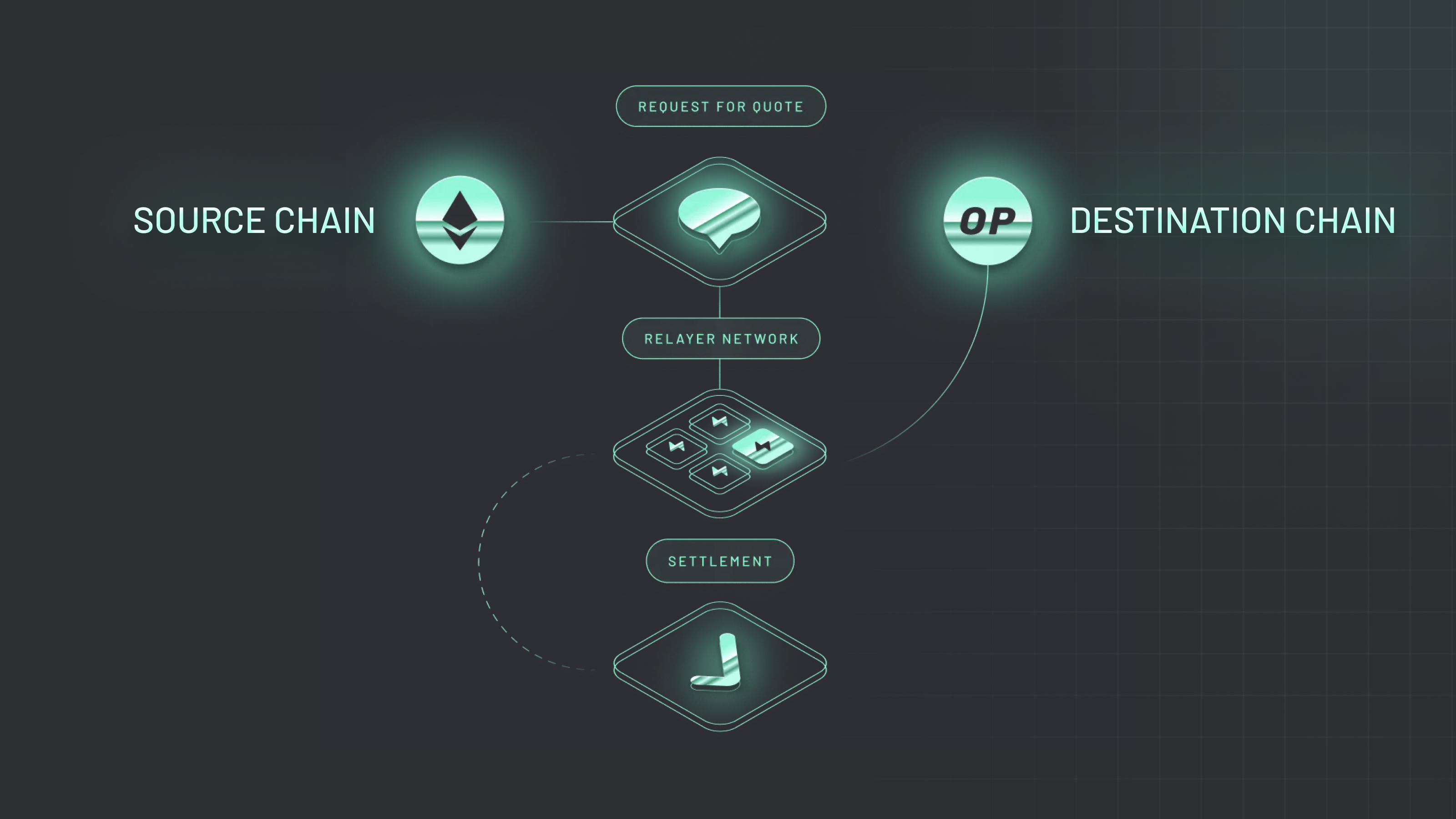
- Enhanced Scalability and High Throughput: By integrating the OP Stack with EigenDA, Ronin achieves throughput up to 1 million transactions per second (TPS), supporting massive gaming and DeFi ecosystems.
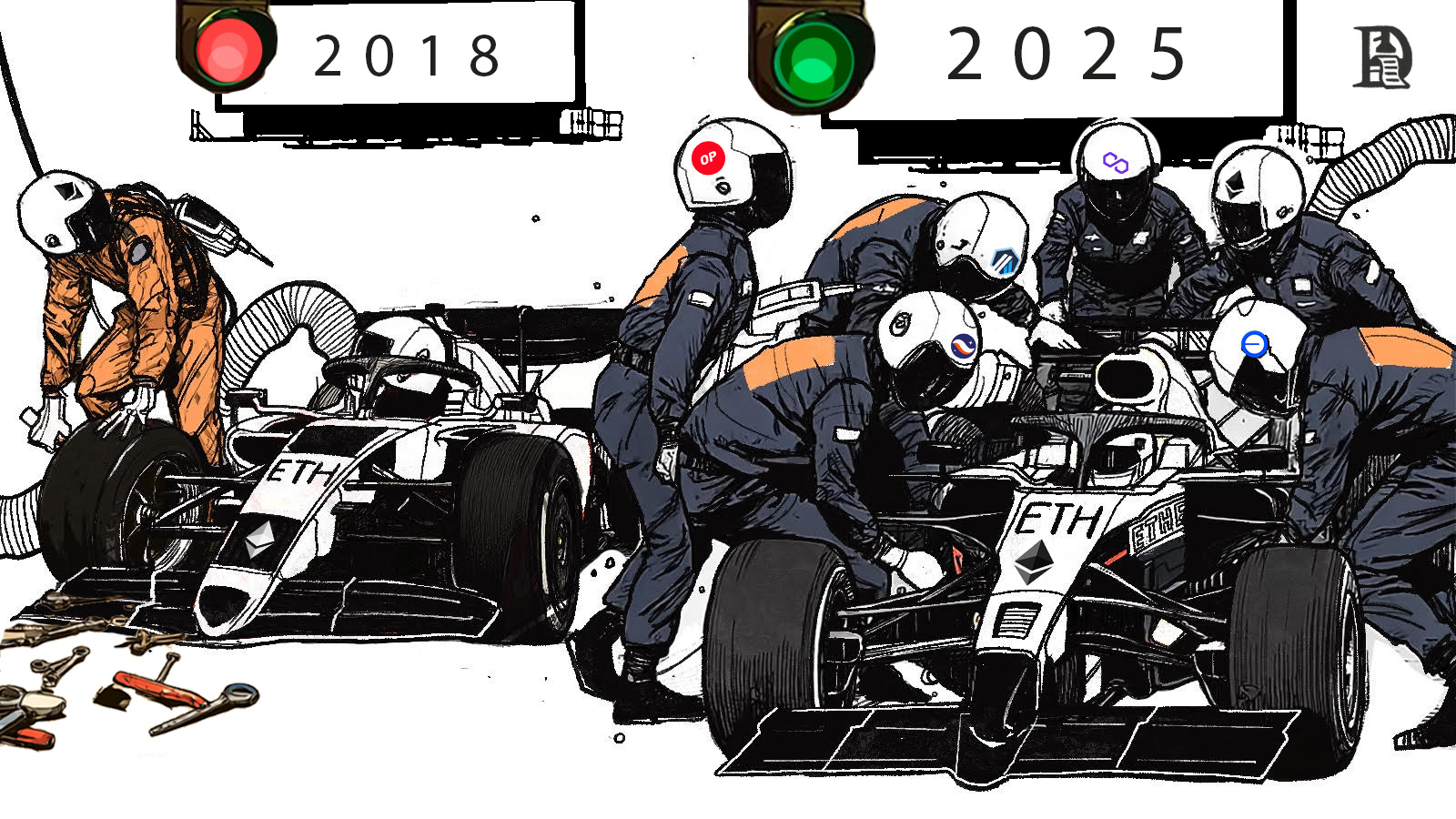
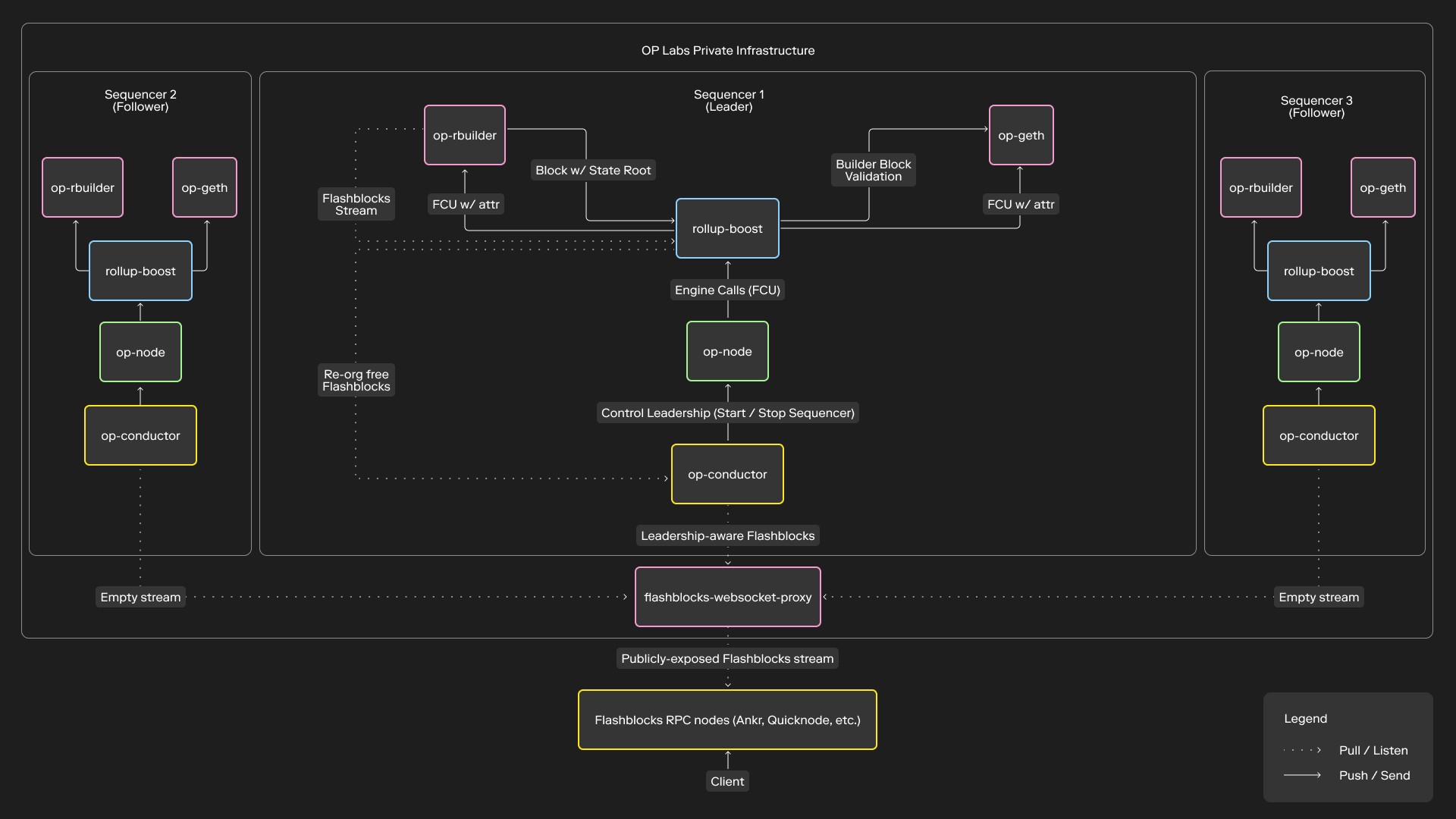
- Ultra-Low Latency with Flashblocks: Implementation of Flashblocks within the OP Stack allows for block times as low as 100–200 milliseconds, significantly improving real-time user experiences.
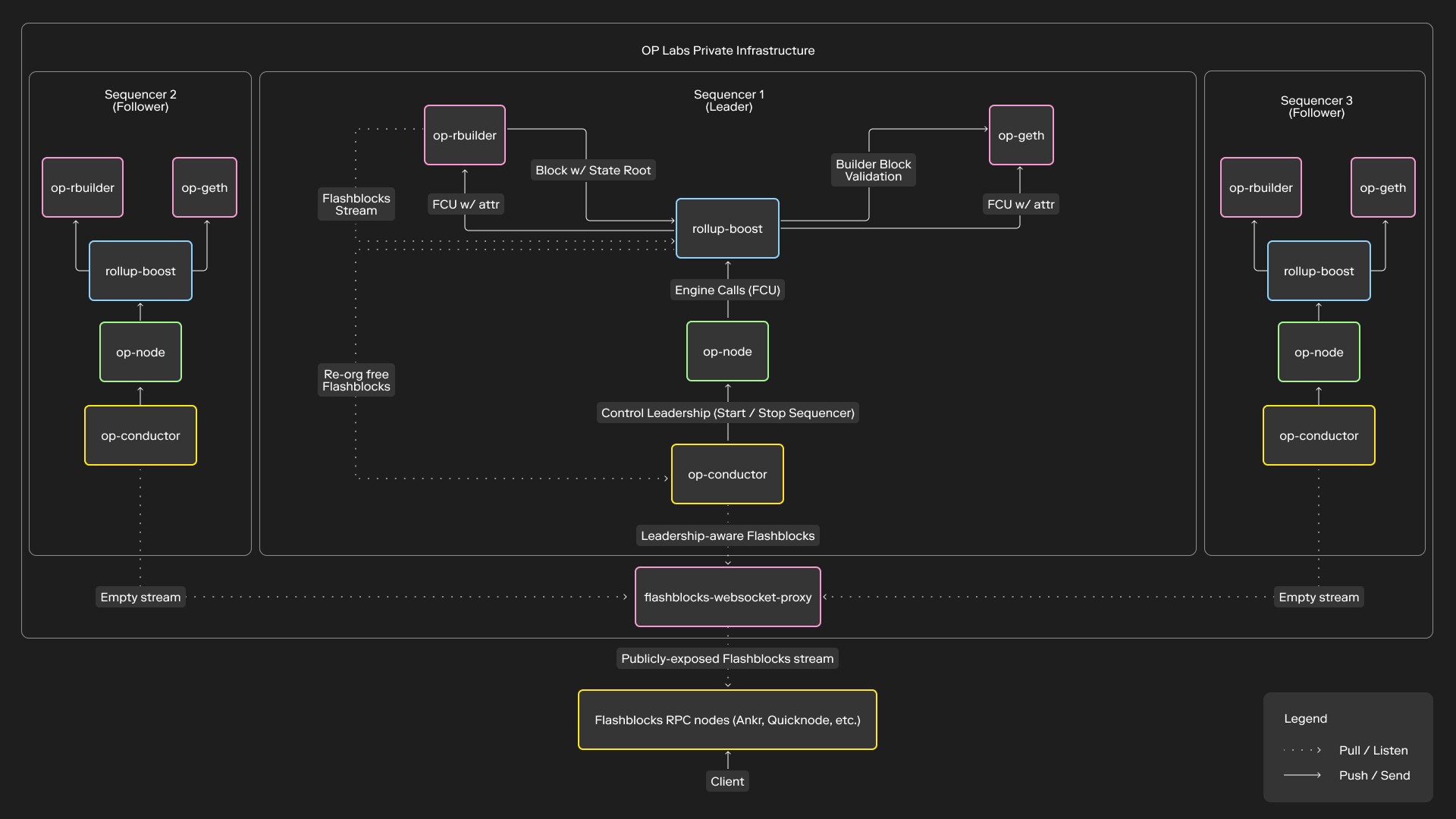
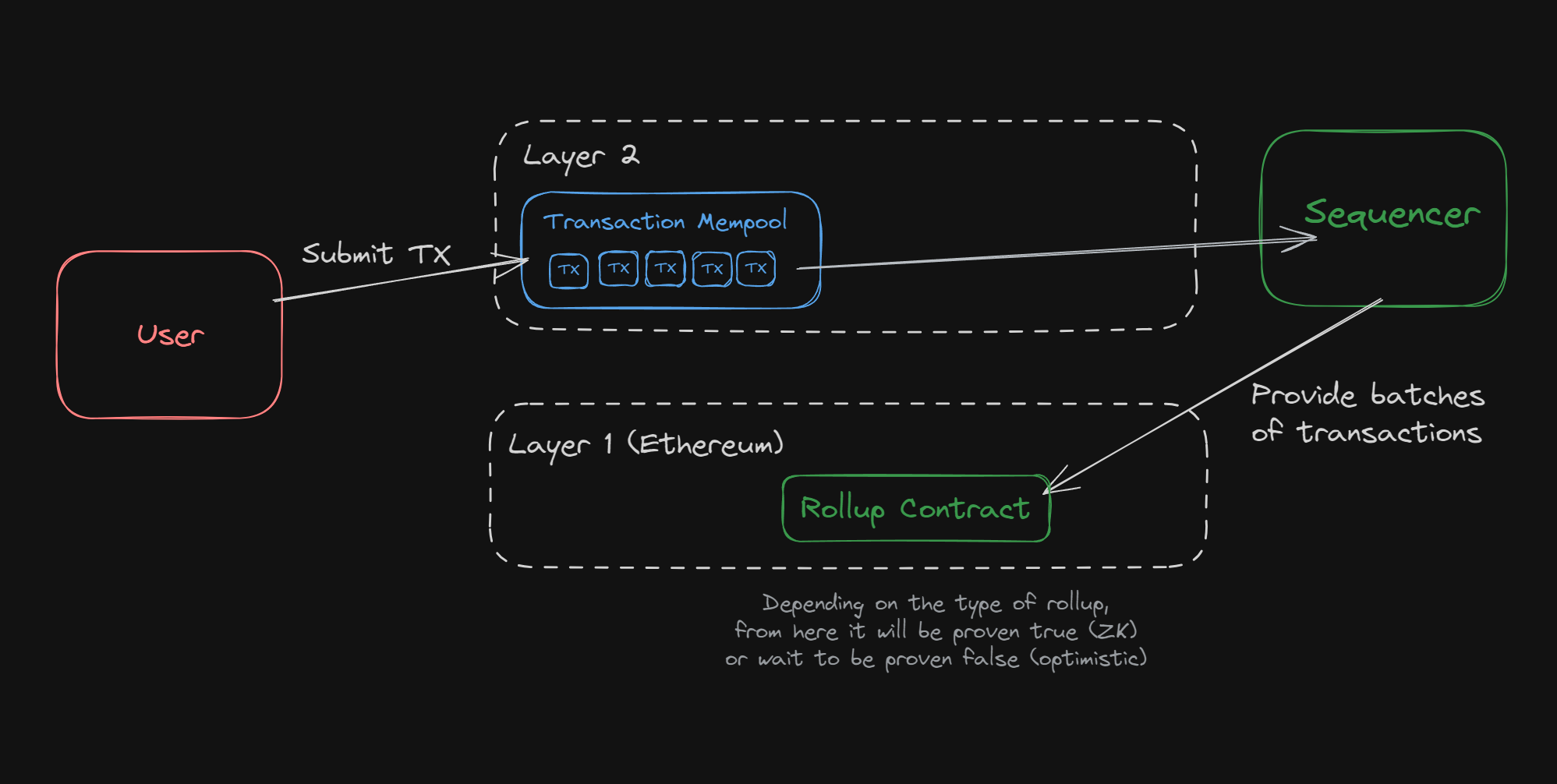
- Ethereum Security Inheritance: As a Layer 2, Ronin inherits Ethereum's security model, providing robust protection for user assets and network operations through zk proofs and decentralized validation.
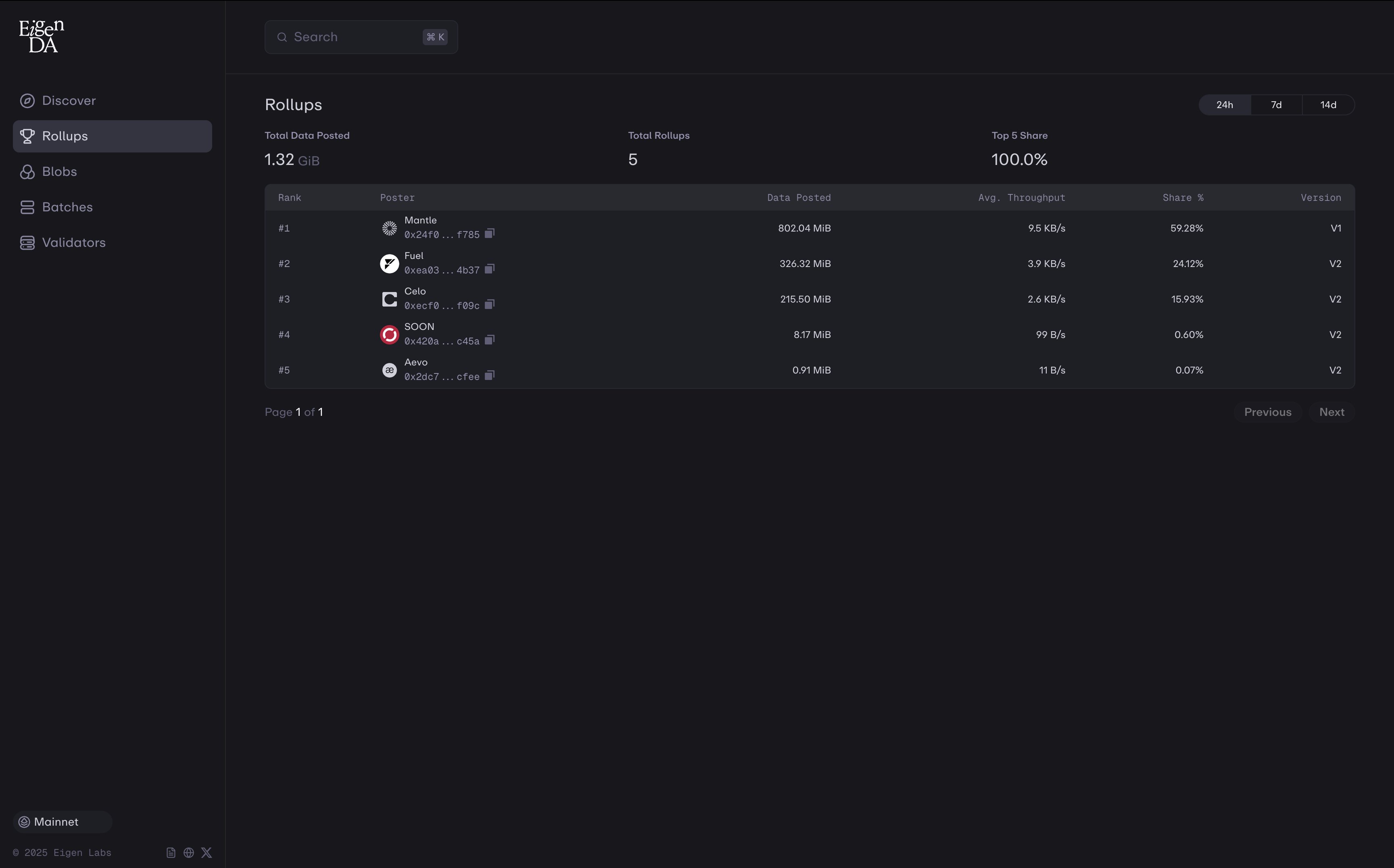
- Efficient Data Availability via EigenDA: EigenDA manages and distributes transaction data efficiently, reducing bottlenecks and optimizing resource allocation for smart contract execution.
- Full Sovereignty and Sequencer Ownership: Ronin maintains full control over its sequencer and tech stack, allowing for greater customization and governance autonomy.
- Developer-Centric Tooling and Compatibility: The OP Stack offers robust tools and libraries, ensuring smart contract compatibility and streamlined deployment for developers building on Ronin.
1. Flashblocks and Ultra-Fast Finality: By leveraging Flashblocks within the OP Stack, Ronin achieves block times as low as 100 to 200 milliseconds. This enables near-instant finality for in-game transactions and asset transfers.
2. Modular Execution Environment: The OP Stack’s modularity allows developers to tailor execution environments for specific workloads, optimizing resource allocation for massive multiplayer games or high-frequency DeFi protocols.
3. Scalable Data Availability via EigenDA: EigenDA offloads data availability tasks from the main execution layer, supporting up to 1M TPS by efficiently distributing transaction data across a decentralized network of nodes. This dramatically reduces congestion and cost, while maintaining robust data integrity.
4. Ethereum Security Inheritance: As an L2, Ronin leverages Ethereum’s battle-tested security model. Transactions are ultimately settled on Ethereum, providing strong guarantees against censorship and fraud (source).
Developer Guide: Leveraging Ronin’s L2 Stack for Next-Gen DApps
For developers, Ronin’s L2 migration means access to a scalable, low-latency platform that is fully aligned with Ethereum standards. Here’s what you need to know to build next-generation applications on this infrastructure:
- Smart Contract Compatibility: The OP Stack ensures EVM compatibility. Use familiar tools like Hardhat and Foundry for contract deployment, testing, and management.
- Optimized Data Handling: Integrate EigenDA APIs for seamless data availability management, enabling your DApps to scale without bottlenecks.
- Performance Tuning: Design applications that can exploit sub-second block times and high throughput, ideal for real-time gaming economies or high-frequency DeFi trades.
This technical evolution positions Ronin as a leading choice for developers seeking blockchain scalability without sacrificing security or composability. For further reading on Ronin’s migration and underlying technology, visit the official announcement on Ronin Network’s blog.
Ronin’s Layer 2 evolution is not merely a technological upgrade, it represents a paradigm shift in how high-throughput, low-latency applications can be built on Ethereum. The integration of Optimism’s OP Stack with EigenDA sets a new gold standard for blockchain scalability, with real-world implications for developers, users, and the broader Web3 ecosystem.
Real-World Impact: What 1M TPS Means for Gaming and DeFi
Achieving 1 million TPS is not just a theoretical milestone. For gaming studios and DeFi platforms, it unlocks entirely new user experiences and business models. Imagine on-chain games with millions of concurrent players, each executing real-time asset transfers, or DeFi protocols processing high-frequency trades without network congestion or prohibitive fees. These scenarios are now feasible on Ronin’s L2, thanks to the OP Stack and EigenDA partnership.
Importantly, this scale does not come at the expense of decentralization or security. By inheriting Ethereum’s security model and leveraging a decentralized data availability layer, Ronin ensures that applications remain trustless and censorship-resistant, even at massive scale.
Developer Workflow: Best Practices for Ronin L2
To fully harness Ronin’s capabilities, developers should adopt a workflow that maximizes both performance and reliability:
Best Practices for Scalable dApp Deployment on Ronin L2
- Leverage the OP Stack for Modular dApp Architecture: Utilize Optimism's OP Stack to build modular, upgradeable dApps. This framework enables seamless integration with Ethereum and allows for custom execution environments, ensuring compatibility and future-proofing your application.
- Integrate EigenDA for Efficient Data Availability: Implement EigenDA APIs and follow integration guidelines to optimize data storage and retrieval. This ensures your dApp can handle high throughput and benefits from up to 1 million TPS, critical for gaming and high-frequency applications.
- Utilize Fast Block Times for Real-Time Interactions: Architect your dApp to take advantage of Ronin’s 100–200 ms block times. This enables features like instant gameplay updates and real-time user feedback, enhancing the overall user experience.

- Ensure Security via Ethereum Inheritance: Adhere to best practices in smart contract security to fully benefit from Ronin L2’s inherited Ethereum security. Regularly audit code and monitor for vulnerabilities using platforms like ConsenSys Diligence and Immunefi.

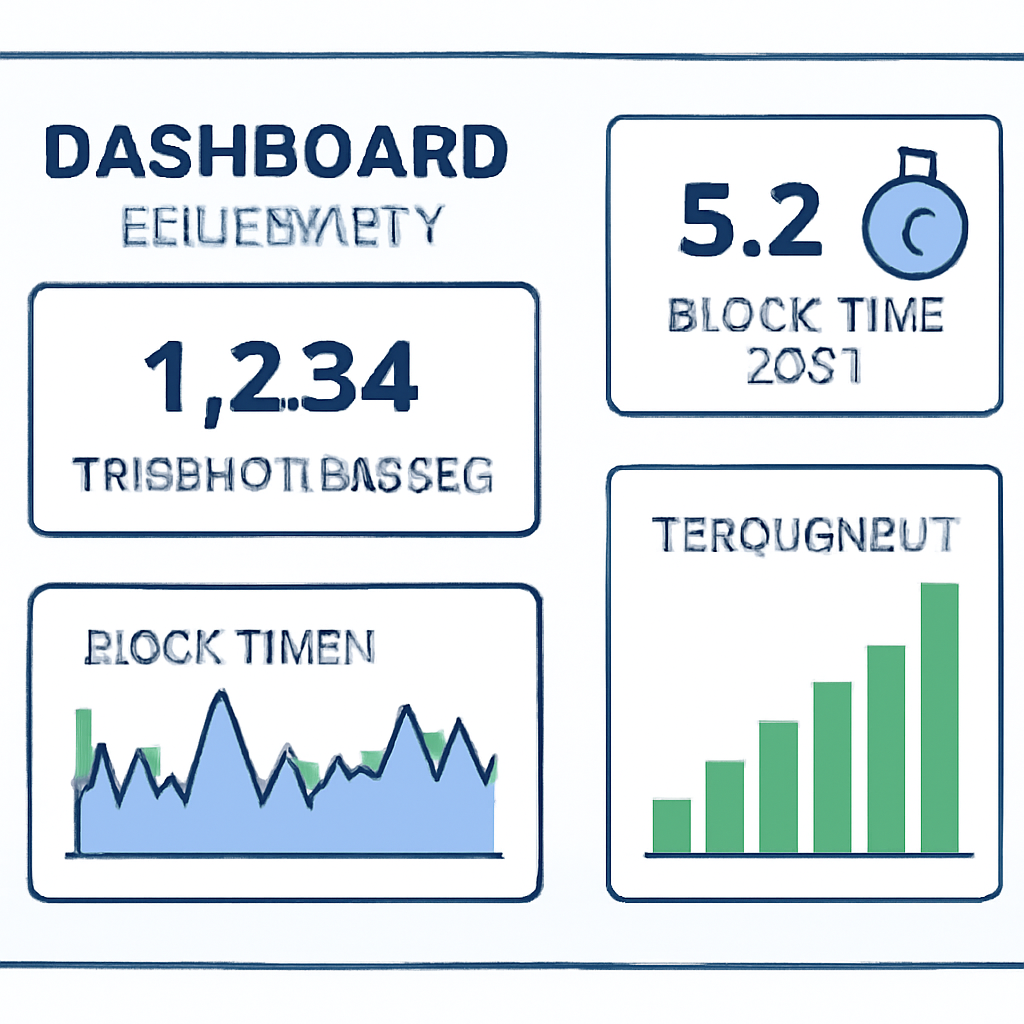
- Monitor Network Performance and Costs: Track Ronin (RON) price ($0.3907 as of latest data) and gas fees to optimize transaction cost efficiency. Use analytics platforms such as Dune Analytics for real-time monitoring.

For advanced use cases, consider leveraging Ronin’s full sovereignty over its sequencer and tech stack. This grants developers greater flexibility in customizing transaction ordering, fee markets, and execution logic, key for innovative gaming economies or specialized DeFi primitives.
Additionally, the integration with the Superchain ecosystem expands cross-chain composability, allowing assets and data to move seamlessly between Ronin and other OP Stack-based L2s.
Performance Benchmarks and Market Context
Recent benchmarks confirm Ronin’s ability to process up to 1M TPS with block times as low as 100 milliseconds. This is a 15x improvement over its previous architecture. The market has responded positively, with Ronin (RON) maintaining a price of $0.3907 as of today, reflecting strong investor confidence in the network’s future scalability and adoption.
For developers and ecosystem participants, this means lower fees, faster settlement, and the capacity to onboard millions of new users without sacrificing network performance.
Frequently Asked Questions: Ronin L2 OP Stack and EigenDA
As Ronin continues its migration to Ethereum L2, the combination of the OP Stack and EigenDA positions it as a leader in blockchain scalability. Developers who embrace these tools will be at the forefront of Web3 innovation, delivering applications that can finally meet the scale and speed demanded by mainstream users.
Deploying Scalable dApps on Ronin L2 with OP Stack & EigenDA: A Developer's Guide




No comments yet. Be the first to share your thoughts!