
Web3 gaming is hitting a new stride, and at the center of this momentum is the Ronin Network. With its bold transition to a full-fledged Ethereum Layer 2 (L2) using Optimism’s OP Stack and zero-knowledge EVM (zkEVM) technology, Ronin is redefining what’s possible for gaming scalability. This isn’t just a technical upgrade, it’s a complete paradigm shift for game developers, players, and the entire blockchain gaming ecosystem.
Ronin’s Strategic Leap: From Sidechain to Ethereum L2
Ronin’s evolution is nothing short of tactical brilliance. Previously a gaming-focused sidechain, Ronin’s recent validator vote in September 2025 greenlit the adoption of Optimism’s OP Stack. This modular, open-source toolkit is already powering some of the most robust L2s in the Ethereum ecosystem. By leveraging OP Stack, Ronin now achieves sub-second block times (100-200ms) and can process up to one million transactions per second, crucial for fast-paced, high-volume Web3 games.
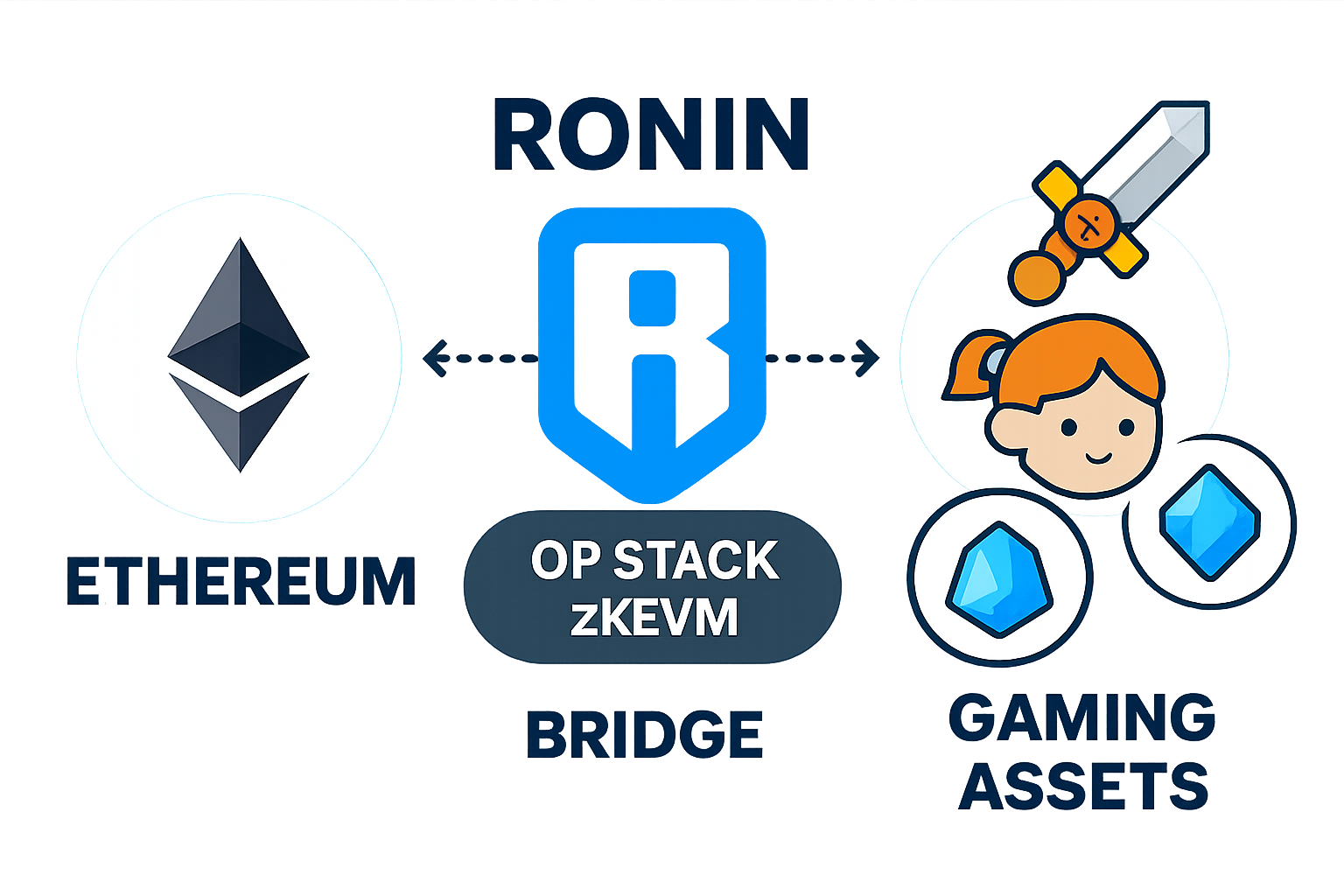
But the benefits go beyond speed. Becoming an Ethereum L2 means Ronin inherits Ethereum’s battle-tested security and taps into the Superchain ecosystem. The migration is also backed by up to $7 million in milestone-based grants from heavyweights like the Optimism Foundation, Eigen Labs, and Boundless, fueling developer growth and rapid innovation.
Unleashing True Scalability with zkEVM
Scalability isn’t just about raw throughput; it’s about efficiency, privacy, and seamless interoperability. That’s where zkEVM comes in. By integrating a modified version of Polygon’s Chain Development Kit (CDK), Ronin brings zero-knowledge proof technology right to the core of its L2 stack. This allows for validating transactions without exposing sensitive data, keeping both players and game economies secure.
Currently handling up to 40 million transactions daily, Ronin’s zkEVM roadmap aims even higher, potentially scaling into hundreds of millions or even billions of transactions per day as adoption ramps up. For developers building complex games with massive user bases or intricate economies (think real-time NFT swaps and microtransactions), this is a complete game-changer.
Market Snapshot: RON Price Holds Steady Amid Major Upgrades
The market has taken note of these advancements. As of October 18,2025, Ronin (RON) trades at $0.3719, reflecting a minor 24-hour change of -0.0350%. The price action remains resilient as investors digest the network’s long-term scaling roadmap.
Ronin (RON) Price Prediction 2026-2031
Forecasting RON price scenarios after zkEVM and OP Stack integration, considering market cycles, adoption, and evolving Web3 gaming landscape.
| Year | Minimum Price | Average Price | Maximum Price | % Change (Avg YoY) | Market Scenario Insights |
|---|---|---|---|---|---|
| 2026 | $0.32 | $0.46 | $0.62 | +24% | Initial post-L2 and zkEVM adoption; increased gaming activity but possible volatility as integration matures. |
| 2027 | $0.40 | $0.65 | $0.92 | +41% | Accelerated onboarding of Web3 games, strong developer ecosystem, and improved Ethereum interoperability drive growth. |
| 2028 | $0.54 | $0.87 | $1.20 | +34% | Mainstream Web3 gaming adoption, possible bull market cycle, Ronin emerges as a top L2 for gaming. |
| 2029 | $0.68 | $1.12 | $1.58 | +29% | Sustained network growth, new flagship games, and broader NFT/DeFi integration support price appreciation. |
| 2030 | $0.82 | $1.38 | $1.92 | +23% | Market matures, Ronin solidifies its L2 position, but faces competition from other gaming-focused L2s. |
| 2031 | $0.98 | $1.65 | $2.25 | +20% | Web3 gaming reaches billions of users; Ronin benefits from network effects, but macro/regulatory risks temper upside. |
Price Prediction Summary
Ronin (RON) is positioned for substantial growth following its transition to an Ethereum Layer 2 using OP Stack and zkEVM technologies. The network's focus on high-throughput, low-fee Web3 gaming provides a strong use-case, and as adoption grows, RON's price is projected to steadily increase. However, volatility remains, with minimum and maximum scenarios reflecting market cycles, competition, and broader crypto sentiment.
Key Factors Affecting Ronin Price
- Adoption of Ronin as a primary Web3 gaming platform and onboarding of major game studios.
- Successful and secure implementation of OP Stack and zkEVM, supporting high transaction volumes.
- Ethereum's continued dominance and security as a base layer, attracting users and developers.
- Competition from other L2s (e.g., Polygon, Arbitrum, Immutable) and new scaling solutions.
- Broader crypto market cycles: bull/bear trends will impact price extremes each year.
- Potential regulatory changes affecting gaming tokens and NFT ecosystems.
- Sustained developer incentives and ecosystem grants post-migration.
Disclaimer: Cryptocurrency price predictions are speculative and based on current market analysis. Actual prices may vary significantly due to market volatility, regulatory changes, and other factors. Always do your own research before making investment decisions.
6-Month Price Comparison: Ronin Network vs. Major L2 and Crypto Assets
Comparing Ronin Network (RON) to leading L2 tokens and major cryptocurrencies based on real-time market data as of 2025-10-18.
| Asset | Current Price | 6 Months Ago | Price Change |
|---|---|---|---|
| Ronin Network (RON) | $0.3720 | $0.4097 | -9.2% |
| Arbitrum (ARB) | $0.3053 | $0.3500 | -13.0% |
| Optimism (OP) | $0.4209 | $0.4500 | -6.5% |
| Polygon (MATIC) | $0.7500 | $0.8000 | -6.3% |
| Ethereum (ETH) | $3,843.19 | $3,500.00 | +9.8% |
| Bitcoin (BTC) | $106,902.00 | $95,000.00 | +12.5% |
| Immutable X (IMX) | $0.5026 | $0.5500 | -8.9% |
| Skale Network (SKL) | $0.0194 | $0.0220 | -11.9% |
Analysis Summary
Over the past six months, Ronin Network (RON) and other L2 tokens like ARB, OP, and MATIC have experienced moderate declines, while major assets like Bitcoin and Ethereum have posted notable gains. RON's -9.2% change is in line with the broader L2 trend, reflecting a period of consolidation among altcoins as investors focus on established assets.
Key Insights
- RON's 6-month decline (-9.2%) is similar to other L2 tokens, with ARB (-13.0%) and SKL (-11.9%) seeing slightly larger drops, while OP (-6.5%) and MATIC (-6.3%) declined less.
- Major cryptocurrencies like Bitcoin (+12.5%) and Ethereum (+9.8%) have outperformed L2 tokens, indicating a shift in investor preference toward established assets.
- Immutable X (IMX), another gaming-focused asset, also declined (-8.9%), mirroring RON's performance and highlighting challenges in the gaming and L2 sectors.
- RON's price trend reflects the broader market consolidation phase, despite its significant technological upgrades and ecosystem developments.
This comparison uses real-time and historical price data sourced directly from investing.com for each asset. All figures are taken exactly as provided, ensuring an accurate, unbiased snapshot of 6-month performance as of 2025-10-18.
Data Sources:
- Main Asset: https://www.investing.com/crypto/ronin/historical-data
- Arbitrum: https://www.investing.com/crypto/arbitrum/historical-data
- Optimism: https://www.investing.com/crypto/optimism/historical-data
- Polygon: https://www.investing.com/crypto/polygon/historical-data
- Ethereum: https://www.investing.com/crypto/ethereum/historical-data
- Bitcoin: https://www.investing.com/crypto/bitcoin/historical-data
- Immutable X: https://www.investing.com/crypto/immutable-x/historical-data
- Skale Network: https://www.investing.com/crypto/skale-network/historical-data
Disclaimer: Cryptocurrency prices are highly volatile and subject to market fluctuations. The data presented is for informational purposes only and should not be considered as investment advice. Always do your own research before making investment decisions.
This stability signals market confidence that Ronin's integration with OP Stack and zkEVM is more than hype, it's foundational infrastructure for Web3 gaming's next wave.
Why Developers Are Flocking to Ronin L2
- Sub-second block times: Lightning-fast finality enables real-time gameplay without lag or bottlenecks.
- Low gas fees: Microtransactions become viable; no more prohibitive costs for in-game actions or NFT trades.
- Unified asset ecosystem: Effortless token swaps and NFT transfers across L1/L2 games foster cross-title economies.
- Battle-tested security: Ethereum-grade safety for every transaction, no compromises.
This isn’t just theory, it’s being put into practice by top studios building on Ronin today. For further reading on how these technologies power sub-200ms finality for Web3 gaming, check out this deep dive.
As the dust settles on Ronin’s migration, the competitive landscape of Web3 gaming infrastructure is shifting fast. Rivals like Arbitrum, Optimism, and Polygon are all racing to capture developer mindshare, but Ronin’s unique blend of OP Stack modularity and zkEVM privacy gives it a sharp edge for high-throughput, player-centric ecosystems. The ability to process up to one million transactions per second with sub-200ms block times isn’t just theoretical; it’s already powering next-gen experiences and setting new standards for in-game economies.
Top 5 Benefits Ronin L2 Delivers to Web3 Game Developers
- Massive Scalability with OP Stack: Ronin L2, powered by Optimism's OP Stack, achieves block times of 100–200 ms and can process up to 1 million transactions per second, eliminating lag and supporting games at global scale.
- Ultra-Low Gas Fees for Microtransactions: By migrating to Ethereum L2, Ronin dramatically reduces transaction costs, making in-game purchases and NFT trades affordable for players and developers alike.
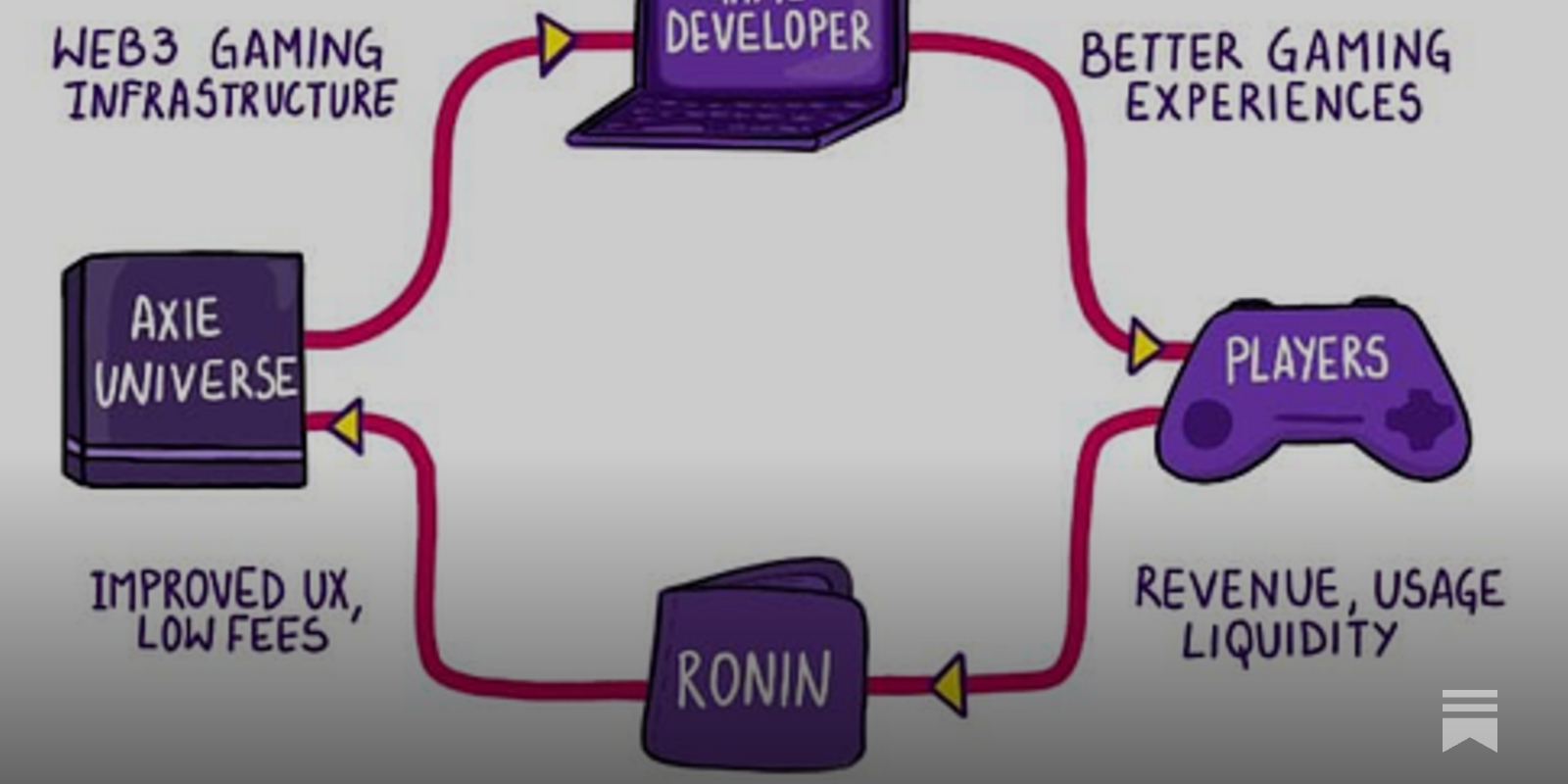
- Enhanced Security via Ethereum Inheritance: Ronin L2 leverages Ethereum’s robust security protocols and zero-knowledge proofs, ensuring a safe environment for assets and gameplay.
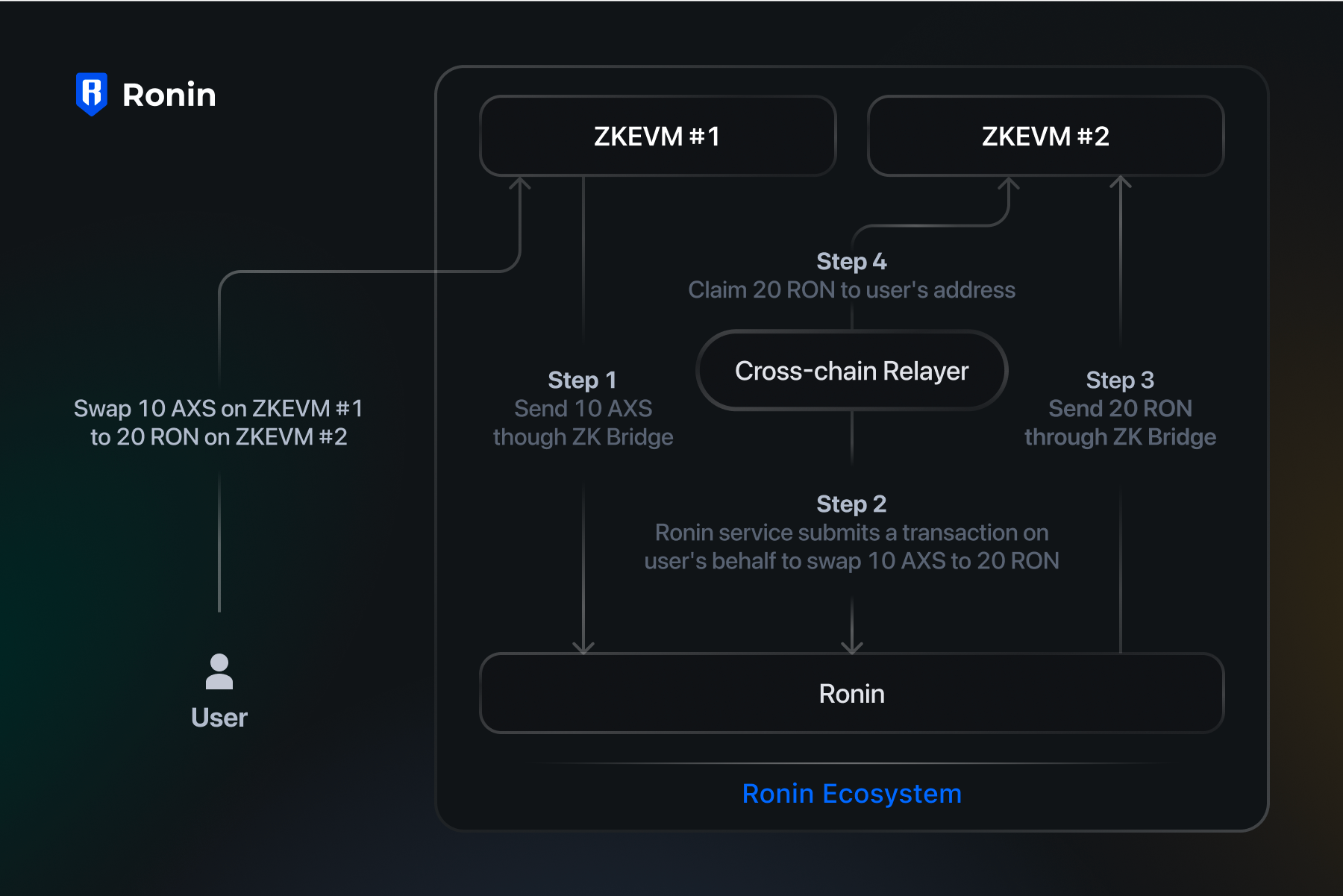
- Unified Gaming Ecosystem & Cross-Game Asset Transfers: With zkEVM and Polygon CDK integration, Ronin enables seamless asset transfers, token swaps, and NFT trading across both L1 and L2 games, boosting interoperability.
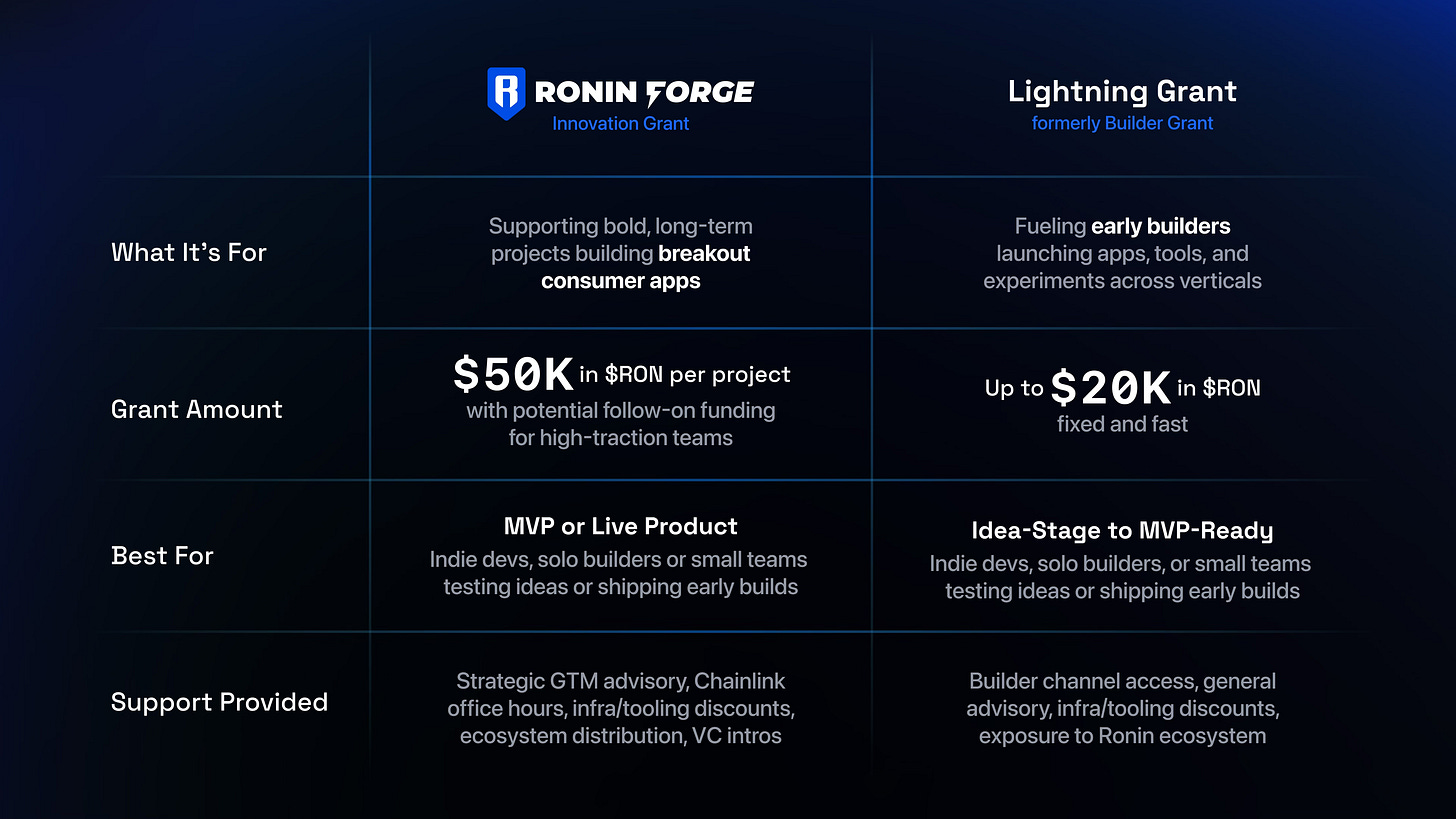
- Developer Grants & Advanced Tooling: Up to $7 million in milestone-based grants from the Optimism Foundation, Eigen Labs, and Boundless, plus powerful dev tools, accelerate game development and scaling on Ronin.
Real-World Impact: What This Means for Gamers and Studios
For players, this translates to a frictionless experience: no more waiting for transactions to clear, no more exorbitant gas fees when trading NFTs or participating in live events. Developers can finally design games without worrying about network congestion or unpredictable costs. The integration of Katana DEX v3 and Superchain bridges means liquidity and assets flow freely between games, L1, and L2, unlocking true interoperability for the first time.
Studios leveraging Ronin’s L2 stack are already experimenting with dynamic NFT economies, real-time PvP battles, and cross-game leaderboards that simply weren’t possible on legacy blockchains. The network’s technical upgrades have also attracted new funding and partnerships, signaling a flywheel effect: as more games launch, liquidity and user activity surge, further cementing Ronin’s role as the hub for Web3 gaming innovation.
"Ronin’s transition to Ethereum L2 isn’t just an upgrade, it’s a strategic homecoming that unlocks true composability and scale for blockchain games. "
What’s Next: The Roadmap to Mass Adoption
With zkEVM deployments accelerating and Superchain bridges coming online, Ronin is positioning itself to onboard not just millions but potentially billions of gamers. The focus now is on seamless onboarding, robust developer tooling, and fostering a vibrant ecosystem where both indie studios and AAA publishers can thrive. Expect to see more cross-chain tournaments, interoperable in-game assets, and DeFi-powered gaming economies as the year unfolds.
For those tracking the market closely, keep an eye on RON at $0.3719. As adoption ramps and new titles go live, volatility is likely, but so is upside potential for those betting on the future of scalable, player-first blockchain gaming. For a closer look at how Ronin’s technical stack is setting new benchmarks in transaction speed and developer experience, check out our coverage on Ronin Layer 2 rollups.
The race for Web3 gaming dominance is heating up, and with its OP Stack and zkEVM fusion, Ronin Network is sprinting ahead. If you’re building or playing in this space, now’s the time to get tactical. Speed, precision, results: that’s the Ronin L2 advantage.


No comments yet. Be the first to share your thoughts!