
The Ethereum L2 Migration
On May 12, 2026, Ronin executed a hard fork to transition from its independent sidechain architecture to an Ethereum Layer 2 network built on the OP Stack. This structural shift marks the most significant technical change in the network's history, moving the gaming-focused blockchain from a standalone environment to the Ethereum ecosystem. The migration was designed to retain the low-latency scalability that originally justified the sidechain's creation while inheriting Ethereum's security guarantees and liquidity access.
The transition required a coordinated hard fork that paused all on-chain activity for approximately 10 hours. During this maintenance window, Ronin halted all transactions and on-chain game actions to ensure a clean state transfer. This downtime was a necessary operational cost to migrate state data and smart contracts from the legacy infrastructure to the new L2 environment without data loss or consensus failures.
According to the official Ronin documentation, the move was driven by the need to balance the scalability that necessitated the initial sidechain deployment with the security and composability benefits of Ethereum's Layer 2 landscape. By adopting the OP Stack, Ronin positions itself within the broader Ethereum ecosystem, allowing for easier integration with Ethereum-based liquidity and security models while maintaining the performance required for high-throughput gaming applications.
Migration Impact on RON Price and Liquidity
The transition of Ronin from an independent sidechain to an Ethereum Layer 2 via the OP Stack represents a fundamental shift in the token's economic structure. Completed on May 12, 2026, this migration paused all on-chain transactions and game actions for approximately ten hours, creating a brief but intense period of market uncertainty [[src-coindesk]]. This downtime served as a stress test for liquidity providers and traders, highlighting the high-stakes nature of assets tied to specific gaming ecosystems.
The immediate market reaction to the L2 migration has been characterized by volatility as participants reassess the token's utility and security guarantees. While the move to Ethereum’s Layer 2 infrastructure offers improved security and access to deeper liquidity pools, it also introduces new gas fee dynamics and smart contract risks that were previously absent on the standalone chain. Current technical analysis suggests a bearish outlook, with some forecasts indicating a potential dip to $0.08221 by mid-2026, driven by a Fear & Greed Index reading of 27 [[src-coincheckup]].
Liquidity depth remains a critical factor in determining RON's stability during this transition. As the network settles into its new Ethereum L2 environment, the integration with broader DeFi protocols will be essential for sustaining trading volume. The migration effectively decouples Ronin's performance from its previous isolated ecosystem, tying its price action more closely to Ethereum's broader market movements and Layer 2 adoption trends. Investors are now evaluating whether the security benefits of the L2 transition outweigh the short-term friction of reduced on-chain activity.
Axie Infinity and the Expanded GameFi Ecosystem
The migration of Axie Infinity to an Ethereum Layer 2 represents a structural shift for the Ronin network. By moving from an independent sidechain to an Ethereum L2, the flagship title gains access to Ethereum's base-layer security while maintaining the low-latency, low-cost environment required for active gameplay. This transition is not merely technical; it is a strategic move to stabilize the asset's long-term viability in a market where trust in centralized sidechains has eroded.
For Axie Infinity, the move addresses the primary friction point for institutional and casual players alike: counterparty risk. An Ethereum L2 inherits the security guarantees of the mainnet, reducing the likelihood of the type of bridge hacks that have plagued independent chains. While the network will experience approximately ten hours of downtime during the hard fork, the long-term benefit is a more robust infrastructure that can support higher transaction volumes without compromising on safety.
This architectural upgrade serves as a proving ground for the broader GameFi ecosystem. New Web3 gaming projects are increasingly evaluating Ronin not just for its existing user base, but for its upcoming Ethereum compatibility. The promise of Ethereum-level security with gaming-optimized fees makes Ronin a compelling candidate for studios seeking to onboard mainstream audiences who are wary of the volatility and security concerns associated with isolated chains.
The network's ability to attract these new projects depends on the seamless execution of this migration. If Ronin can demonstrate that it offers the best of both worlds—Ethereum's trustlessness and its own gaming efficiency—it could reverse the bearish sentiment currently affecting the RON token. The ecosystem's future growth will likely depend on how effectively this technical upgrade translates into developer adoption and sustained player engagement.
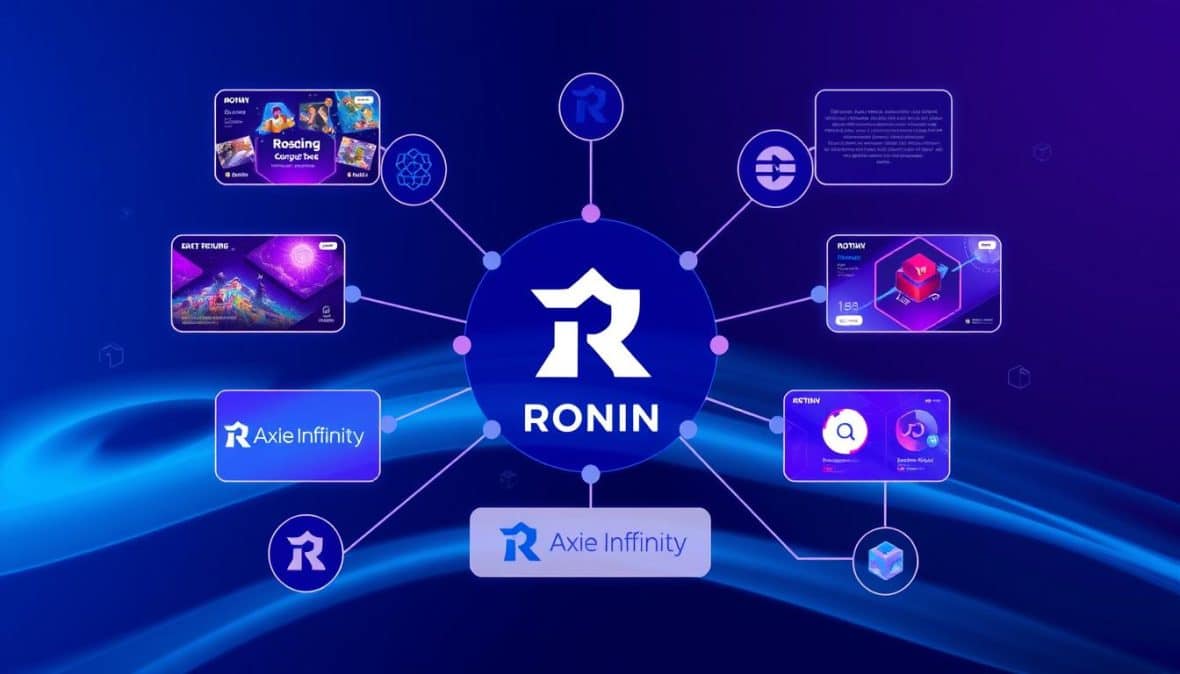
Ronin DEX Trends and Cross-Chain Asset Flow
The migration from an independent sidechain to an Ethereum Layer 2 fundamentally alters how Ronin handles decentralized exchange activity and cross-chain liquidity. This structural shift prioritizes security and capital efficiency over the isolated throughput of the previous architecture, directly impacting how assets move between Ethereum mainnet and the gaming ecosystem.
During the May 12 hard fork, the network experienced approximately 10 hours of downtime to facilitate this transition. All Ronin transactions and onchain game actions were paused during this window, highlighting the complexity of moving a high-throughput gaming chain to a shared sequencer environment. This pause was necessary to ensure that asset states were correctly synchronized before the new L2 blocks began finalizing on Ethereum.
The move introduces significant changes in gas costs, security models, and transaction finality. Unlike the previous sidechain, which relied on its own validator set, Ronin L2 now inherits Ethereum’s security guarantees while maintaining its specialized gaming scalability. The following comparison outlines the operational differences between the legacy sidechain and the current L2 configuration.
This architectural upgrade is designed to reduce reliance on third-party bridge security, a common vulnerability in sidechain models. By anchoring directly to Ethereum, Ronin aims to stabilize asset flows for its gaming partners, reducing the risk of exploits that have historically plagued independent chains. The long-term success of this transition will depend on maintaining low gas fees while leveraging Ethereum’s robust settlement layer.
Ronin Network 2026: Key Questions Answered
The transition from an independent sidechain to an Ethereum Layer 2 represents a fundamental shift in Ronin’s architecture. This migration, scheduled for a hard fork on May 12, 2026, aims to align the gaming network more closely with Ethereum’s security model while maintaining its specialized focus on play-to-earn ecosystems.
No comments yet. Be the first to share your thoughts!