Ronin moves to Ethereum L2
On May 12, 2026, the Ronin network executed a hard fork to migrate from its independent sidechain to an Ethereum Layer 2 (L2) infrastructure. This transition, scheduled for block 55,577,490, required approximately 10 hours of downtime to ensure a smooth handoff of state and assets. The move shifts Ronin from a standalone architecture to one secured by Ethereum’s base layer, fundamentally altering how the ecosystem handles security and transaction finality.
The primary driver for this migration is security. By anchoring its state to Ethereum, Ronin reduces the attack surface associated with its previous validator set, which was compromised in the 2022 Axie Infinity hack. For a platform hosting billions in gaming assets, this shift provides a more robust cryptographic guarantee for user funds. It also simplifies the user experience by allowing seamless bridging to Ethereum mainnet wallets, removing the friction of managing separate sidechain bridges.
Tokenomics have also been recalibrated to support this new structure. The network announced a significant reduction in annual inflation, settling at approximately 1.2% for 2026. This deflationary pressure aims to stabilize the RON token’s value as the ecosystem expands. Lower inflation, combined with increased security, positions Ronin as a more sustainable foundation for game developers seeking long-term user retention.
This structural upgrade establishes a more secure and economically stable environment for the gaming tokens that define the 2026 Ronin ecosystem. As the network matures on L2, developers are better equipped to build complex, high-volume games without the security overhead of independent consensus mechanisms.
Top Ronin Gaming Tokens to Watch
The Ronin ecosystem relies on two primary digital assets to facilitate gameplay and governance: RON and WRON. Understanding the distinction between these tokens is essential for anyone looking to participate in the network's gaming economy in 2026. While RON serves as the native backbone of the chain, WRON acts as the bridge asset that connects Ronin to the broader Ethereum ecosystem.
RON: The Native Powerhouse
RON is the native utility and governance token of the Ronin network. It is used to pay for transaction fees, stake for validator nodes, and vote on protocol upgrades. As of May 2026, the network has stabilized its tokenomics with an annual inflation rate of approximately 1.2% following its migration to an Ethereum L2 structure. This deflationary pressure supports long-term value retention for holders who actively engage with the ecosystem.
WRON: The Ethereum Bridge
Wrapped Ronin (WRON) is the ERC-20 representation of RON on Ethereum. It allows gamers and investors to move value between Ronin and Ethereum without leaving the familiar Ethereum interface. WRON is particularly critical for users engaged in blockchain gaming and NFT trading who prefer the security and liquidity of Ethereum's mainnet. It maintains a 1:1 peg with RON, ensuring seamless interoperability between the two chains.
| Token | Primary Chain | Core Utility | Supply Model |
|---|---|---|---|
| RON | Ronin L2 | Gas fees, staking, governance | ~1.2% annual inflation |
| WRON | Ethereum | Cross-chain transfers, NFT trading | Pegged 1:1 to RON |
Choosing the Right Asset
For daily gaming activities within Ronin-native titles, RON is the most efficient choice due to lower fees and faster settlement times. However, if you plan to trade high-value NFTs or interact with Ethereum-based DeFi protocols, WRON provides the necessary compatibility. Both tokens are integral to the health of the Ronin ecosystem, with their roles clearly defined by their respective blockchain homes.
Best hardware wallets for Ronin
Ronin is an EVM-compatible blockchain built specifically for gaming and entertainment, which means your digital assets—whether they are in-game items or speculative tokens—carry real-world value. Storing RON and related assets on an exchange leaves them vulnerable to platform risks. A hardware wallet keeps your private keys offline, creating a physical barrier against online hacks.
For Ronin users, the priority is compatibility with the Ethereum Virtual Machine (EVM). Most major hardware wallets support EVM chains out of the box, allowing you to interact with Ronin through compatible interfaces or bridges. The following devices are widely recognized for their security features and ease of use with Ronin.
Ledger Nano X
The Ledger Nano X is a top choice for Ronin users because of its Bluetooth connectivity and broad EVM support. It allows you to manage your RON tokens and interact with Ronin-based games directly from your mobile device, which is convenient for on-the-go gaming. Its secure element chip provides strong protection against physical tampering.
Trezor Model T
Trezor Model T offers a touchscreen interface and open-source firmware, appealing to users who prioritize transparency. It supports EVM chains, including Ronin, through its web interface or compatible wallets like MetaMask. The device is known for its robust security architecture and ease of backup.
Tangem Wallet
Tangem provides a card-shaped hardware wallet that uses NFC technology for interaction with smartphones. It is ideal for users who want a simple, durable solution without cables or screens. Tangem supports EVM chains, making it a viable option for storing Ronin assets securely.


As an Amazon Associate, we may earn from qualifying purchases.
Navigating Ronin Airdrop Strategies
Participating in the Ronin ecosystem requires more than just holding a token; it demands active engagement with the network’s infrastructure. Airdrops and incentive programs on Ronin are typically distributed to users who demonstrate consistent on-chain activity, such as bridging assets, providing liquidity, or interacting with gaming dApps. Understanding how to position your wallet within this ecosystem is the first step toward qualifying for rewards.
1. Bridge Assets to the Ronin Network
The most fundamental requirement for accessing Ronin-specific incentives is having assets on the chain. Since Ronin is an EVM-compatible sidechain, you need to bridge tokens from Ethereum, BNB Chain, or other supported networks. Use official or reputable non-custodial bridges to move your capital. This on-chain footprint is often the primary metric for eligibility in early-stage airdrops.
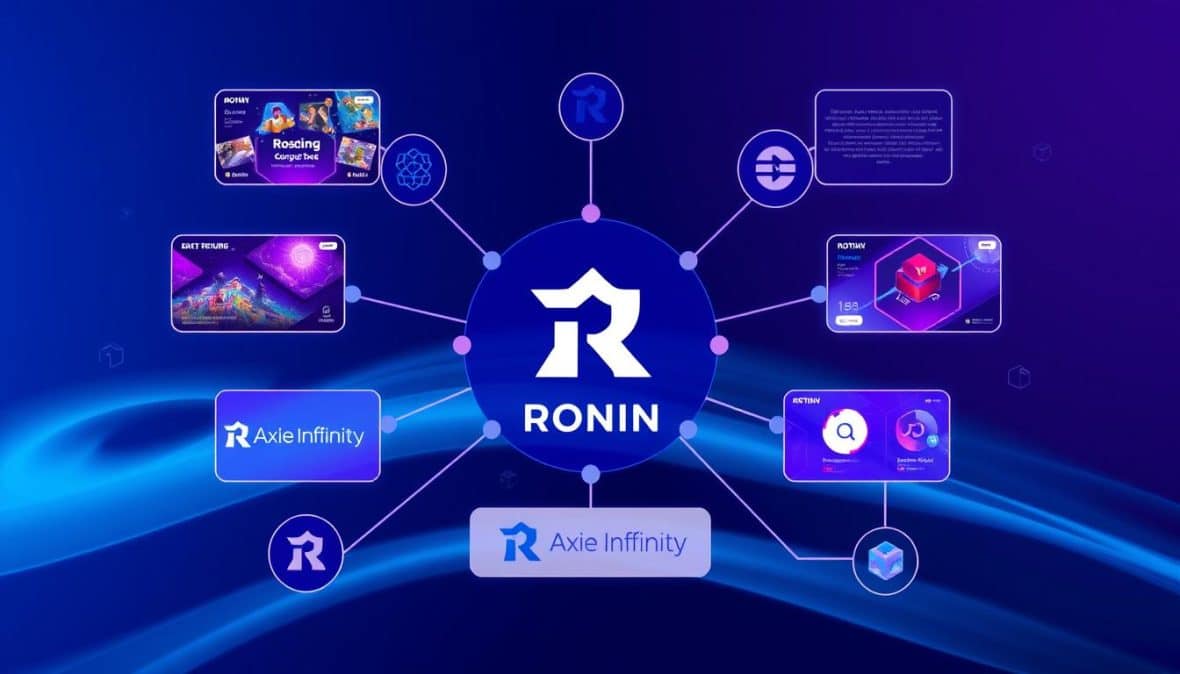
Ensure your Web3 wallet (like MetaMask or Ronin Wallet) is configured with the Ronin network RPC settings. This allows you to see your Ronin balance and interact directly with dApps. Without proper network configuration, you cannot execute transactions or claim rewards.
Transfer ETH, USDC, or other base assets from a mainnet to Ronin using the official Ronin Bridge or trusted third-party aggregators. This step creates your on-chain history. Consistent bridging activity signals to the ecosystem that you are an active participant, not just a passive holder.
Engage with popular Ronin-based games like Axie Infinity or other emerging titles. Perform in-game transactions, trade NFTs, or participate in governance votes. These interactions generate the transaction volume and unique active wallet counts that project teams monitor for airdrop eligibility.
2. Monitor Official Channels and Snapshot Dates
Airdrop eligibility is often determined by "snapshot" dates—specific moments in time when the blockchain records which wallets qualify. Missing a snapshot means missing the reward. Follow official Ronin announcements and project-specific Twitter accounts or Discord servers for precise dates. Do not rely on unofficial sources for snapshot timing, as misinformation can lead to lost opportunities.
3. Maintain Active Wallet History
Projects often filter out "empty" or dormant wallets. To maximize your chances, ensure your Ronin wallet has a history of diverse interactions. This includes swapping tokens on decentralized exchanges (DEXs) like SushiSwap on Ronin, providing liquidity to pools, or staking tokens if the protocol supports it. A wallet with varied activity is less likely to be flagged as a sybil attack and more likely to be recognized as a genuine community member.
4. Secure Your Assets
As you engage with multiple dApps and bridges, the risk of smart contract vulnerabilities or phishing attacks increases. Always verify contract addresses and use hardware wallets for significant holdings. Never share your private keys or seed phrases. The Ronin ecosystem’s security infrastructure, including its WAGMI Safe integration, offers additional layers of protection for managing your assets during active participation.
5. Prepare for Claim Events
When an airdrop is announced, be prepared to claim your tokens within a specific window. Unclaimed tokens are often redistributed or burned. Ensure your wallet is funded with enough RON or ETH to cover gas fees for the claim transaction. Set reminders for claim deadlines to avoid missing out on your allocated share.
Frequently asked questions about Ronin 2026
Is Ronin moving to Ethereum Layer 2? Yes. Ronin is transitioning from its independent sidechain to an Ethereum Layer 2 solution. This migration aims to improve network security and align with broader Ethereum ecosystem standards. The move is expected to enhance stability for game developers and players alike.
What is the current inflation rate for RON tokens? According to the network's May 2026 tokenomics announcement, Ronin's new annual inflation rate is approximately 1.2%. This reduction is part of a broader effort to stabilize the token's economic model and support long-term value retention for holders.
How does the L2 migration affect security? The transition to an Ethereum Layer 2 leverages Ethereum's robust security infrastructure. By moving away from its standalone sidechain, Ronin reduces the risk of isolated attacks and benefits from the same security guarantees that protect major Ethereum-based applications.
No comments yet. Be the first to share your thoughts!