
Ronin joins Ethereum
On May 12, 2026, Ronin completed its hard fork to become an Ethereum Layer 2, ending its era as an independent sidechain. This migration moves the gaming-focused network, originally built by Sky Mavis for Axie Infinity, into the broader Ethereum ecosystem. The transition represents a significant structural shift, aligning Ronin's infrastructure with Ethereum's security and scaling solutions rather than operating as a standalone chain.
The most immediate impact of this migration is a drastic reduction in token supply. Ronin has slashed its annual RON token issuance by 89%. This deflationary adjustment aims to address previous concerns regarding tokenomics and long-term sustainability. By integrating with Ethereum, Ronin also gains access to a wider array of developers, liquidity pools, and interoperable applications that were previously out of reach for an isolated sidechain.
While the technical migration marks the end of Ronin's independence, the network continues to operate under the guidance of Sky Mavis. The move is designed to enhance the network's security posture and reduce operational costs for game developers. For users and investors, this shift signals a new phase for Ronin, one that prioritizes Ethereum's robust security model over the autonomy of its previous architecture.
Why Ronin moved to Ethereum
Ronin completed its transition from an independent sidechain to a full Ethereum Layer 2 on May 12, 2026. This migration was not merely a technical upgrade for gaming infrastructure; it was a structural pivot designed to align the network with the security and liquidity standards of the broader Ethereum ecosystem. For the RON token, this shift addresses three critical vulnerabilities that have historically limited its long-term value proposition: security, liquidity access, and sustainable tokenomics.
Security through Ethereum’s Settlement Layer
As an independent sidechain, Ronin operated with its own validator set, which presented a single point of failure that was exploited in the 2022 Axie Infinity bridge hack. By migrating to an Ethereum Layer 2, Ronin now inherits the cryptographic security guarantees of Ethereum’s base layer. Transactions are executed on Ronin’s rollup but settled on Ethereum, meaning that any attempt to alter the state history would require compromising Ethereum’s entire network—a feat currently considered computationally infeasible. This shift transforms Ronin from a standalone chain with isolated security into a protected extension of the world’s most secure smart contract platform.
Access to Deep Liquidity Pools
Isolated chains often struggle with fragmented liquidity, leading to higher slippage and limited utility for the native token. Moving to Ethereum opens the door to the deepest liquidity pools in the cryptocurrency market. Ronin can now leverage Ethereum’s extensive DeFi infrastructure, including decentralized exchanges (DEXs) and lending protocols, to facilitate smoother trading and deeper market depth for RON. This integration reduces friction for users and developers, allowing RON to compete directly with other major Layer 1 tokens that have established themselves within the Ethereum ecosystem.
Deflationary Pressure and Tokenomics
Perhaps the most significant impact of the migration is on RON’s tokenomics. Prior to the move, Ronin’s independent consensus mechanism required higher issuance rates to incentivize validators, leading to persistent inflationary pressure. According to data from CoinMarketCap, the transition to an Ethereum Layer 2 slashed annual token issuance by 89%. This dramatic reduction in supply growth creates natural deflationary pressure, especially as network activity increases and more RON is burned for transaction fees. For long-term holders, this structural change aligns the token’s supply dynamics with its growing utility, potentially supporting price stability and appreciation.
How the Ethereum L2 upgrade changes Axie Infinity and GameFi
The migration from an independent sidechain to an Ethereum Layer 2 fundamentally alters the infrastructure supporting Axie Infinity. For players and developers, this shift moves the game from a closed garden to a more open, interoperable environment. The core benefit is reduced transaction costs and faster finality, which are critical for the high-frequency micro-transactions typical in blockchain gaming.
This technical upgrade also signals a broader maturation for the GameFi sector. By anchoring to Ethereum, Ronin inherits the security model and liquidity depth of the largest smart contract platform. This makes it easier for new game developers to build on Ronin, knowing they can access established DeFi protocols and liquidity pools without building their own financial rails from scratch.
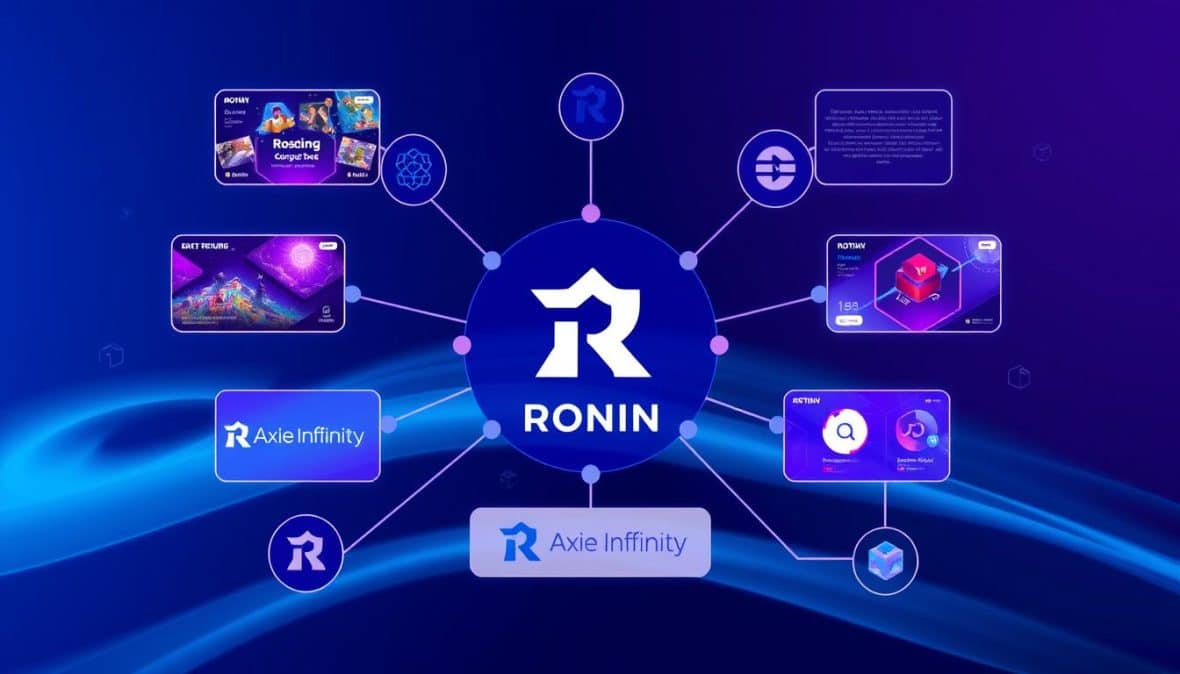
The impact on the RON token is immediate. As the native gas token for the new network, RON now competes directly with other Layer 2 assets for utility and speculation. This integration ties the health of the Axie Infinity ecosystem more closely to Ethereum's overall network activity and gas fee dynamics.
The chart above visualizes RON/USD price action leading up to the May 12 migration. The transition highlights how market participants are pricing in the long-term value of Ethereum's security guarantees versus the previous independence of the sidechain.
For the broader GameFi 2.0 narrative, Ronin’s move sets a precedent. It demonstrates that gaming chains can evolve from isolated experiments into integral parts of the Ethereum ecosystem. This encourages other gaming projects to consider Layer 2 solutions as a viable path for scaling, potentially attracting more institutional capital and mainstream users to the sector.
Ronin wallet and exchange updates
The migration from the independent Ronin sidechain to an Ethereum Layer 2 is not automatic. If you hold RONIN tokens on an exchange or in a self-custodial wallet, you must take action before the hard fork to avoid losing access to your assets. The process is strict: failure to transfer your holdings to a compatible wallet before the deadline will result in those tokens becoming inaccessible on the new chain.
Self-custody transfer deadline
You must move your RONIN to a compatible self-custodial wallet before May 12, 2026. This is the single most critical step for individual holders. Once the Ronin network transitions to Ethereum L2, the old sidechain will cease to function for token transfers. Any RONIN left on the legacy chain or in wallets that do not support the new Ethereum-based standard will be stranded.
Check your wallet provider’s announcements to ensure compatibility. Major wallets like MetaMask and Trust Wallet typically update their network configurations ahead of such migrations, but you should verify this directly with the provider. Do not wait until the last minute; network congestion during the migration window could delay transactions.
Exchange suspensions and Coinbase listing
Centralized exchanges are handling the migration differently, but the outcome is the same: temporary suspension of services. Binance, for example, will suspend RONIN deposits and withdrawals starting approximately May 12, 2026, at 14:00 UTC. This pause allows the exchange to update its infrastructure to support the new Ethereum L2 standard. Withdrawals will resume only after the migration is complete and the new network is fully operational.
Meanwhile, Coinbase has announced it will list Wrapped RON (wRON) on its platform. This listing provides a new on-ramp for users who want to trade RONIN on Ethereum, but it does not change the migration requirement for existing holders. If you are moving funds to Coinbase, ensure you are using the correct Ethereum network (ERC-20) for the deposit after the migration, not the old Ronin sidechain.
Checklist for safe migration
-
Verify your self-custodial wallet supports Ethereum L2 and RONIN on the new chain.
-
Transfer all RONIN from the legacy Ronin sidechain to your compatible wallet before May 12, 2026.
-
Check exchange announcements (Binance, Coinbase, etc.) for specific suspension and resumption times.
-
Do not attempt to withdraw RONIN from exchanges after the suspension window begins.
The transition to Ethereum L2 is a significant upgrade for Ronin, offering better security and interoperability. However, the migration period is a high-risk window for users who do not act promptly. Treat the May 12 deadline as a hard cutoff, not a suggestion. By moving your assets early and verifying exchange support, you ensure your RONIN remains liquid and accessible in the new ecosystem.
Ronin Network 2026 FAQ
Is Ronin under Ethereum?
Yes. Ronin completed its migration from an independent sidechain to a full Ethereum Layer 2 on May 12, 2026. This shift integrates Ronin directly into the Ethereum security model while maintaining its specialized focus on gaming and decentralized finance applications.
Who owns Ronin Network?
The Ronin Network was created and is operated by Sky Mavis, the studio behind the hit game Axie Infinity. Sky Mavis built the chain specifically to support blockchain-based gaming, though the ecosystem has since expanded to include broader decentralized finance tools.
When was Ronin Coin launched?
Ronin Coin launched in 2021 alongside the network's founding by Sky Mavis. The token serves as the primary utility asset for the ecosystem, facilitating transactions and governance within the platform.
No comments yet. Be the first to share your thoughts!