
Ronin network 2026 moves to Ethereum L2
The Ronin network 2026 roadmap centers on a major structural shift: migrating from an independent sidechain to an Ethereum Layer 2. This transition, marked by a hard fork on May 12, 2026, represents a pivot toward greater security and liquidity by anchoring its infrastructure to Ethereum’s base layer. For a network that has long operated in isolation to prioritize gaming performance, this move signals a willingness to trade some autonomy for the robust security guarantees of the Ethereum ecosystem.
The implications for the RON token and its holders are significant. By becoming an L2, Ronin inherits Ethereum’s settlement security while maintaining its specialized gaming infrastructure. This change aims to reduce the attack surface that has historically plagued independent sidechains, potentially restoring confidence among institutional partners and casual players alike. The migration is not just a technical upgrade; it is a strategic realignment designed to integrate Ronin more deeply into the broader crypto economy.
To understand the market’s reaction to this pivot, it is helpful to look at the price action surrounding the migration. The following chart illustrates the volatility context for RON/USD leading up to and following the transition.
Beyond security, the L2 migration also impacts tokenomics. Post-migration, the network continues to distribute 416,000 RON monthly to developers via a leaderboard system, but the underlying security model now relies on Ethereum’s consensus. This combination of developer incentives and enhanced security is intended to drive sustainable growth for Axie Infinity and other games on the platform. The success of this pivot will likely depend on how seamlessly Ronin can maintain its low-latency gaming experience while operating within the L2 framework.
Axie Infinity updates drive developer incentives
The Ronin network 2026 pivot centers on a fundamental shift in how development funding flows through the ecosystem. Following the May 2026 Layer 2 migration, the network introduced a monthly distribution of 416,000 RON specifically targeted at developers. This is not a blank check; it is a performance-based engine designed to align creator success with network growth.
Funds are allocated via a public leaderboard that tracks concrete metrics such as active users, transaction volume, and retention rates. This model replaces vague grant programs with a transparent, competitive market. Developers must build experiences that actually retain players to secure funding, creating a self-correcting ecosystem where utility drives value.
This liquidity injection supports the broader Ronin network 2026 strategy by ensuring that the most successful games and applications have the resources to scale. As developers compete for these monthly rewards, the total value locked in the ecosystem tends to rise, providing a stable foundation for the RON token’s utility in gas fees and staking.
Best Ronin gaming tokens to watch in 2026
The Ronin network 2026 landscape is defined by a shift from single-game reliance to a diversified ecosystem of play-to-earn and utility tokens. As the chain expands into decentralized finance and broader NFT applications, investors are looking for tokens that offer genuine utility within active games rather than speculative hype. The following tokens represent the most promising opportunities for 2026, balancing established market presence with upcoming ecosystem expansions.
RON (Ronin)
RON remains the foundational asset of the network, powering transactions, staking, and governance across all integrated games. Its value is directly tied to the network's transaction volume and the number of active daily wallets. With the Ronin network 2026 roadmap including new gaming partners and DeFi integrations, RON serves as the primary liquidity layer for the entire ecosystem.
AXS (Axie Infinity)
Axie Infinity continues to be the flagship title driving user acquisition for Ronin. While the initial play-to-earn boom has stabilized, the token retains strong utility in breeding, battling, and land ownership. Updates to the Axie Infinity: Origins and new game modes ensure AXS remains a core holding for users engaged in the ecosystem's most mature game.
GMX (GMX)
Although primarily known as a decentralized exchange on Arbitrum and Avalanche, GMX's integration into the Ronin ecosystem highlights the network's growing DeFi capabilities. This cross-chain presence underscores Ronin's strategy to attract liquidity beyond gaming, making GMX a relevant token for investors betting on Ronin's broader financial infrastructure.
Sky Mavis Ecosystem Tokens
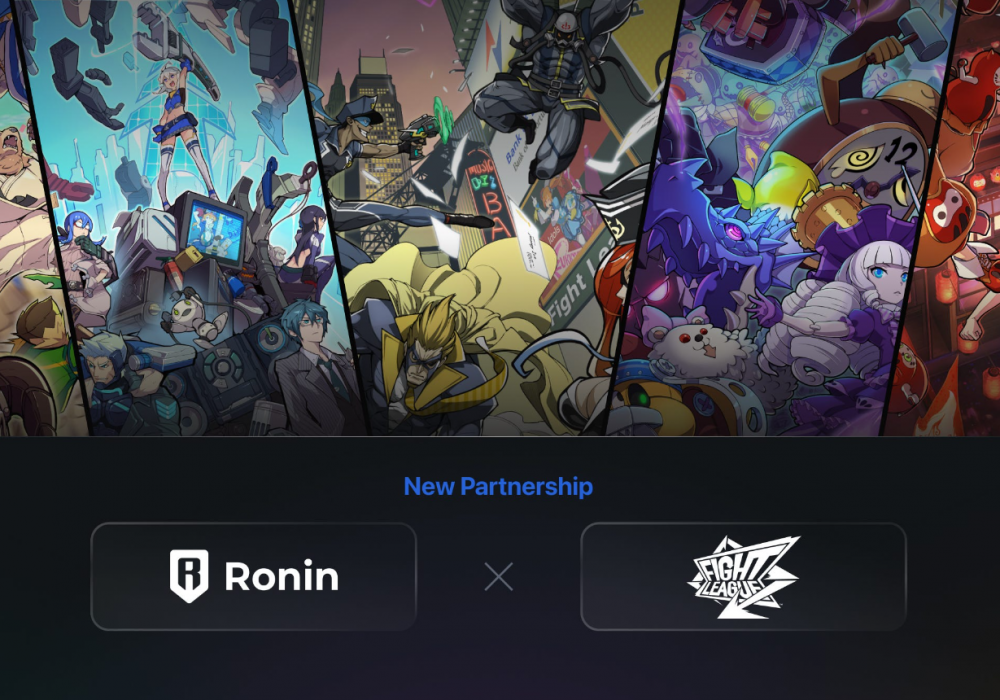
Sky Mavis, the developer behind Axie Infinity, is expanding its portfolio with new titles like Fight League. Tokens associated with these upcoming releases offer exposure to the next wave of Ronin gaming. Investors should monitor Sky Mavis announcements for specific token launches, as these often carry significant weight in the Ronin network 2026 market.



As an Amazon Associate, we may earn from qualifying purchases.
Gas fees and bridge mechanics
In 2026, the Ronin network operates as a dedicated sidechain for gaming, meaning its economic model is distinct from Ethereum mainnet. Users pay transaction fees in RON, the native token. This structure keeps costs predictable and low, which is essential for fast-paced gaming interactions where even small delays or high costs break the user experience.
The Ronin Bridge serves as the gateway between Ethereum and the Ronin chain. It allows players to move ERC-20 tokens and NFTs between the two networks. When bridging, assets are locked on Ethereum and minted on Ronin, or vice versa. This process requires a small fee to cover the underlying Ethereum gas costs, but the Ronin side transactions themselves remain inexpensive.
Understanding the flow of funds is critical for managing risk. Moving assets from Ronin back to Ethereum can take longer due to the withdrawal period, a security feature designed to prevent rapid exploits. Plan your moves accordingly, keeping enough RON on the Ronin chain for daily gaming needs rather than moving large sums frequently.
The RON token is the lifeblood of this ecosystem. It is used for staking, governance, and paying gas. As the Ronin network 2026 pivot expands its user base, the demand for RON to cover transaction fees will likely increase. This dynamic ties the token's value directly to network activity, making it a key indicator of the platform's health.
What is the future potential of Ronin?
The Ronin network 2026 outlook hinges on its transition from a niche gaming sidechain to a broader Ethereum L2 infrastructure. As the ecosystem matures, the RON token’s value will likely correlate with actual active user adoption rather than speculative hype alone. Current market analysis suggests a volatile but upward-trending trajectory for the coming year.
According to recent projections, RON could trade between $2.45 and $6.33 in 2026, averaging around $4.39. This range reflects a cautious optimism about the network's ability to onboard new Web3 gaming titles and retain existing Axie Infinity players. Long-term forecasts for 2027 suggest further growth, with potential highs near $8.23.
However, investors should note that these figures are estimates based on current market sentiment and not financial advice. The actual price will depend on broader crypto market conditions, Ethereum L2 competition, and Ronin’s success in expanding its partner network.
No comments yet. Be the first to share your thoughts!